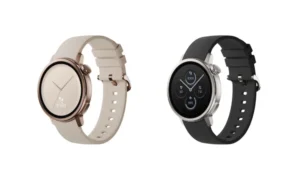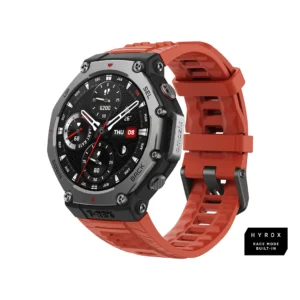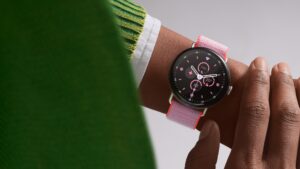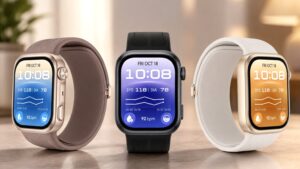

ASUS brought the VivoWatch 6 Plus to Computex 2026, and it’s a clear sign the company is serious about health-focused wearables.
While plenty of smartwatches on the market lean on vague wellness claims, ASUS took a more grounded approach with this one, building it around medical-style sensors and AI that actually tries to do something useful with your health data.
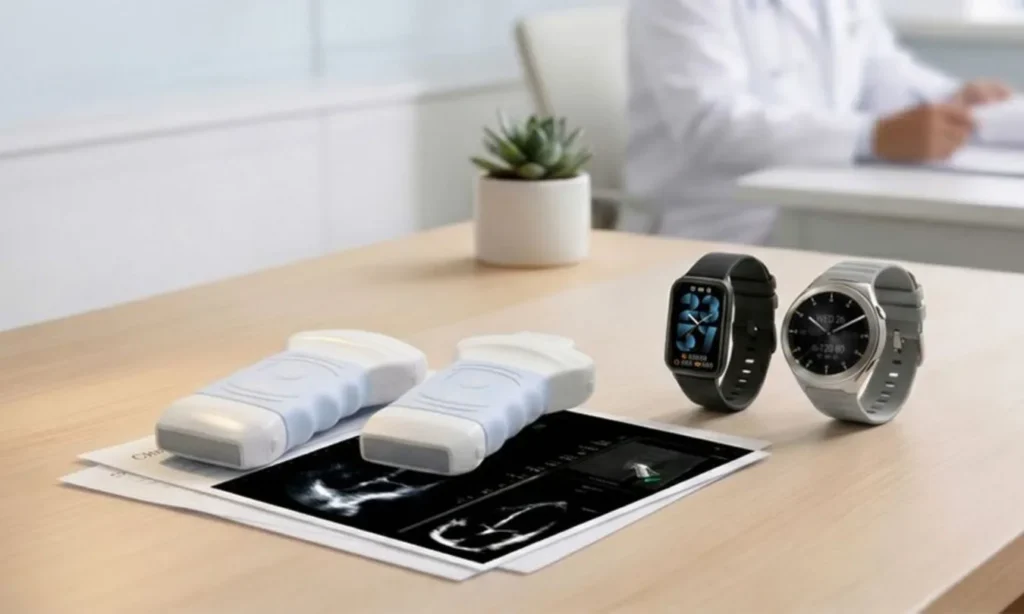
The VivoWatch 6 Plus tracks ECG, blood pressure, body composition, sleep, and stress, all packed into a compact smartwatch form factor.
ASUS is also pushing its new AI wellness coach hard. The feature pulls from your biometric readings and daily habits to give you personalized health recommendations rather than generic advice.
You may also like: Oura Ring Adds Hormonal Birth Control and Menopause Tools
The bigger picture here is that wearable brands are no longer satisfied with step counts and calorie burns. The focus has shifted toward helping people spot health patterns early, and the VivoWatch 6 Plus is a direct reflection of that shift.
ASUS VivoWatch 6 Plus Smartwatch: Sensors and AI
The VivoWatch 6 Plus uses both ECG and PPG sensors to read heart rhythm and cardiovascular data straight from your wrist. ASUS says it can also track blood pressure trends without needing a separate cuff, though, like most consumer wearables, it’s not designed to replace actual medical equipment.
Beyond the heart-focused tracking, the watch covers blood oxygen levels, skin temperature, sleep quality, activity, and stress. ASUS says the AI layer doesn’t just dump raw numbers at you. Instead, it processes all that data together to surface patterns about your overall wellness over time.
You may also like: Google Fitbit Band with AI Coach and No Screen To Beat Whoop
The built-in wellness coach is one of the more practical additions here. It pulls from your long-term health data to give suggestions tailored to your habits, not just your last workout. ASUS says it can pick up on patterns related to recovery, stress, and sleep, then use that information to help you make better day-to-day decisions.
Battery life was clearly a priority, too. ASUS claims the VivoWatch 6 Plus runs for multiple days on a single charge while keeping all those health sensors active in the background, which is a harder balance to strike than it sounds.
You may also like: Sharp Karada Mate Watch Tracks Calories Without Food Logging
The design stays relatively low-key compared to most fitness-focused smartwatches. ASUS isn’t targeting endurance athletes here. The VivoWatch 6 Plus looks and feels more like something you’d wear daily without thinking about it, which fits the kind of consumer ASUS is going after.
Reason Behind ASUS Health Tech Direction
The wearable industry has been moving toward health monitoring for a while now, partly because smartphone hardware improvements have slowed down, and brands need a new angle. Apple, Samsung, and Huawei are all pouring resources into medical-style features, from ECG readings to sleep apnea detection to body composition tracking.
You may also like: Amazfit Watches Get Runna App Support and Zepp App Redesign
ASUS is heading in the same direction, but the angle is slightly different. Rather than leading with fitness branding, the company is putting AI-assisted health analysis at the center of the pitch. That distinction matters because the average wearable buyer today doesn’t just want more data.
They want the device to make sense of that data and tell them something useful. ASUS is betting the VivoWatch 6 Plus can do exactly that.
Accuracy is still the main question mark hanging over a device like this. Consumer blood pressure tracking has a long history of inconsistency, and most smartwatches still can’t legally function as medical devices due to regulatory limits. That’s not unique to ASUS, but it’s worth keeping in mind before treating any reading as clinical fact.
You may also like: Google Pixel Watch 5 Leak: Colors, Sizes, and Price Compared
That said, the VivoWatch 6 Plus is a clear sign of how far wearables have come from simply mirroring your phone notifications.
The competition in this space is now about who can build the most useful daily health tool, not just the most connected one. ASUS is making a direct play for that spot, and with the right execution, the VivoWatch 6 Plus could be a strong case for their argument.