
AMD’s next-generation Ryzen AI 500 “Medusa Point” APUs are inching closer to launch, and this time it’s Linux doing the leaking. Phoronix first spotted that AMD has published firmware for its upcoming RDNA 4m integrated graphics, another clear sign that these Zen 6-based mobile chips are getting close to their official debut.
AMD’s Medusa Point APUs, known as RDNA 4m
This new firmware targets AMD’s GFX 11.7 graphics IP, known as RDNA 4m. It occupies an odd middle ground between the existing RDNA 3.5 architecture and full RDNA 4. AMD’s desktop RDNA 4 GPUs use the newer GFX 12 family, while RDNA 4m stays within the older GFX 11 branch.
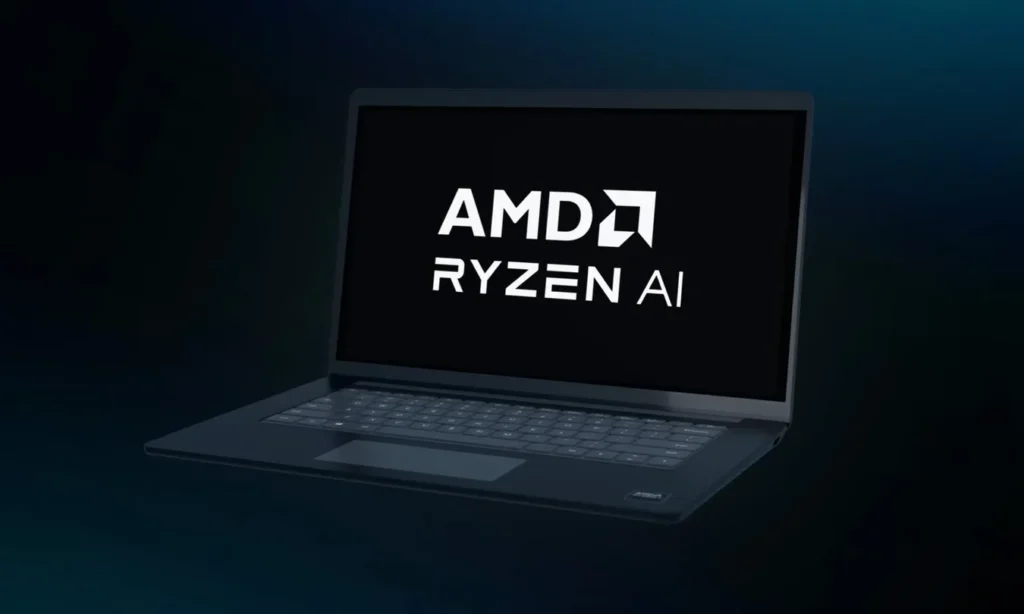
The “m” is widely believed to stand for mobile, with RDNA 4m apparently built specifically for APUs. Earlier work spotted in Linux and LLVM suggests it borrows some RDNA 4-style features, including FP8/BF8 conversion and WMMA instructions, which could give Medusa Point newer AI and graphics capabilities without requiring a full architecture overhaul.
You may also like: AMD Computex 2026: New CPUs, GPU, and AM5 Until 2029
This new firmware supports GFX 11.7.0 and 11.7.1, along with security, display, and memory-management components, suggesting AMD is getting a substantial chunk of the software stack ready ahead of launch.
That lines up well with earlier Geekbench leaks showing a 10-core Zen 6 Medusa Point APU, which pointed to good performance gains over current Ryzen mobile chips. AMD has already confirmed Medusa as the codename for its next-gen Zen 6 client platform, though exact specifications and launch timing remain unconfirmed.
APU Refresh is getting interesting
The biggest open question now is what AMD can actually pull off with this RDNA 4m design. It’s not a full RDNA 4 GPU, but the added instruction support could still give AMD’s integrated graphics a meaningful feature boost while keeping the chip reasonably efficient for laptops.
You may also like: OpenRGB 1.0 Released: Full Guide to What’s New
For now, this firmware landing ahead of launch is another encouraging sign that Medusa Point is moving out of roadmap territory and into real hardware.
If AMD manages to pair Zen 6’s CPU improvements with a more capable integrated GPU and modern AI features, its next Ryzen generation could make for some genuinely compelling laptops down the line.