
If you’ve owned any gaming gear, you already know the pain of RGB software. Every brand pushes its own app on you, and most of them sit in the background chewing up your system resources just to keep the lights in sync.
OpenRGB has spent years trying to clean up this situation, and now the project has reached a real turning point with its 1.0 release.
What’s new in OpenRGB 1.0?
This 1.0 release comes after months of release candidates getting tested and refined, and the hardware support list has grown a lot as a result. According to TechPowerUp, the update now covers QMK and VialRGB, including Keychron’s own version of those protocols.
You also get broader support for Gigabyte and MSI boards and laptops, Clevo’s laptop keyboards and light bars, and more graphics cards, including PNY’s Epic-X ARGB line and PowerColor models.
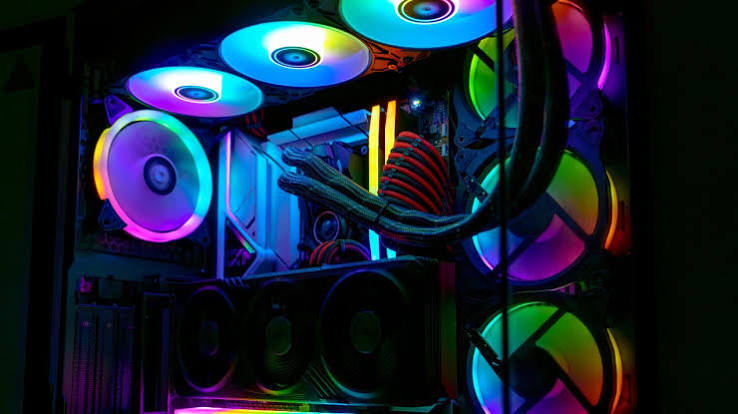
Corsair’s DRAM controllers got some upgrades too, and owners of older Intel X299 boards can now control their RGB memory through the app as well. The standout addition is support for Logitech’s HID++ 2.0 controllers, which opens the door for a lot more Logitech devices to join in down the line.
You may also like: ASUS ROG DDR5 RGB Edition 20: Price, Specs and Value
Getting here took almost three years since version 0.9, and the past year alone went into rebuilding the app from the inside out. On top of all the new hardware support, this update changes how profiles work, lets the app run quietly in the background without keeping a window open, and moves the entire interface to Qt6.
What you should do before installing it
Windows users need to grab PawnIO before anything else. If you skip it, OpenRGB won’t be able to connect to your RAM, older motherboard chips, or several other components. You can launch the app with Administrator rights, or set it up to run as a background service, since PawnIO needs that access to work properly.
You may also like: AMD’s Medusa Point APUs Leak Via New Linux Firmware
On Linux, if you’re using the .deb or .rpm packages, you’ll need to install hidapi-hotplug separately. It’s a modified build of hidapi that these packages now depend on. Worth noting for distro maintainers too: Qt5 support is gone, so any OpenRGB 1.0 package has to be built against Qt6 from here on out.
If your desk has ever turned into a clash of five different RGB colors because every device runs its own app, OpenRGB 1.0 is finally worth checking out.