
AI has been creeping into video game development for a while, but recent developments are raising serious concerns. Popular games are being reverse-engineered with AI help, rebuilt for web browsers, and made playable on platforms they never authorized.
Some indie developers have started pulling their demos offline for fear of being copied. Anthropic has now stepped in with new restrictions for Claude Code.
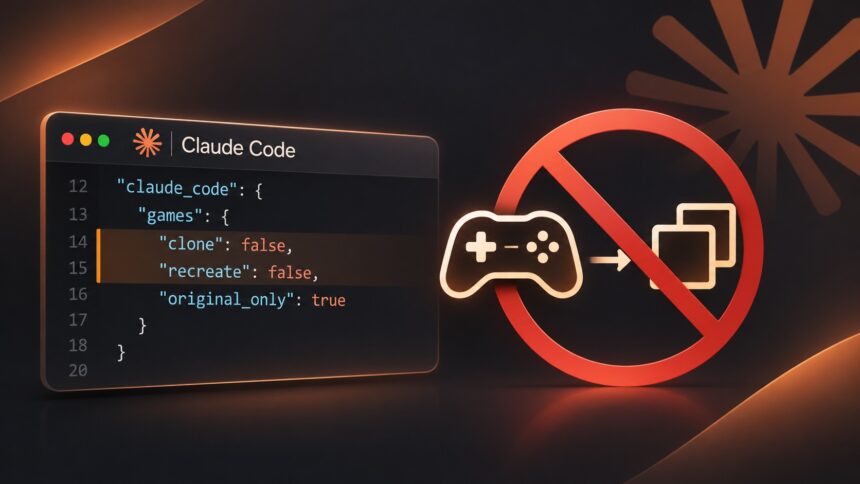
A user first spotted the change on X, and Anthropic’s Addy Osmani later confirmed it. The new instructions stop Claude from recreating specific existing games, even if you rename them or present them as original projects.
You can still make original games, work within a genre, and use your own designs and assets.
AI is being used to recreate most popular games
Several popular video games have landed in web browsers over the past few weeks, reportedly with help from AI tools. The list includes Halo: Combat Evolved, GTA: Vice City, Call of Duty: Black Ops, and The Simpsons: Hit & Run, among others.
You may also like: Claude Merges Chat and Cowork Into One Unified Product
Some of these projects involve reverse engineering existing games. That work normally takes a lot of programming knowledge and time.
AI is reportedly making it much faster, so people can rebuild existing games and run them on systems where they are not officially available.
One of the best examples is the PlayStation-exclusive Bloodborne, which now has a community-developed native port project called bbport.
Developers fear copycats will take their games
Smaller game studios are feeling the impact too, and some are taking precautions before their games even reach the market. Digital Sun, the studio behind Moonlighter, recently postponed a public Steam playtest for its upcoming game ReVamp.
You may also like: Claude Dashboards and Claude Motion Launch in Beta Today
The studio worries that someone could reverse-engineer the unfinished game and release a clone before the official launch.
Alliance Arts canceled its planned Steam Next Fest demo for Drunken Goddess Reflux over similar concerns and chose closed play sessions instead.
Public demos matter a lot to smaller studios. They bring in players, gather feedback, and build interest before launch. Having to cancel them over fear of AI copycats adds another problem for developers who already struggle to get their games noticed.
Anthropic has now tightened its restrictions on recreating existing games. Whether that makes much of a difference remains to be seen.