
Thinking about buying your first fitness tracker, or ready to upgrade the one you’ve got? You’re in the right spot. We’ve rounded up the best fitness trackers you can buy right now.
Wanting to get healthier is one of the most common goals people set, at any time of year. The hard part is knowing where to actually start, especially if hiring a personal trainer isn’t in the cards. That’s where a fitness tracker comes in. Strap one on your wrist, and you’ve got a real starting point.
These devices do more than just track your heart rate during a workout. They show you how your body responds to different types of exercise, suggest workouts worth trying, and help you get better sleep, which matters just as much for recovery as the workouts themselves. The catch is that there are so many fitness trackers on the market now that picking one feels overwhelming fast.
That’s where we come in. We’ve tested a huge number of these trackers ourselves, used them in everyday life, and written down exactly how they performed. Based on that hands-on testing, we’ve built the list below to show you which trackers stood out and why they’re worth your money.
Best Fitness Tracker: Google Fitbit Air
If you want a fitness tracker that just does its job quietly in the background, the Google Fitbit Air is your best bet among screenless trackers, and a big part of that comes down to the Google Health app behind it.
You may also like: Whoop vs Garmin Smartwatch: Screen, GPS, and Tracking Accuracy Compared
Without a screen, there’s nothing pulling your attention away from your day. It’s thin enough to slide under a shirt cuff without anyone noticing, and light enough that you’ll forget it’s on your wrist by the time you fall asleep.
Sleep tracking held up well in testing too. It picked up on disturbances we remembered happening and lined up closely with how rested we actually felt the next morning.
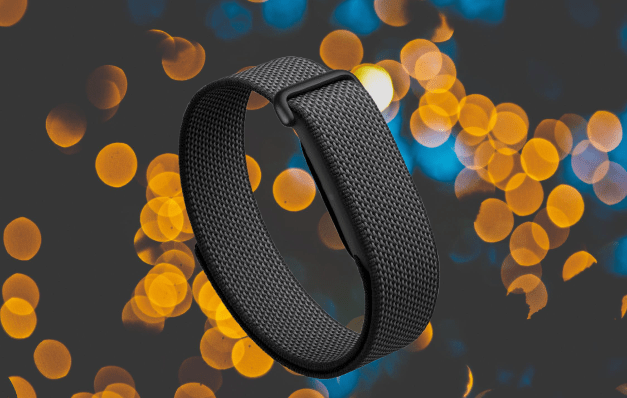
The real strength isn’t the tracker itself, though. It’s how well the Air ties into Google’s new Health app. There’s no wall of numbers to sort through, no dashboard you’ll ignore after week one. The app works on both iOS and Android and focuses on suggestions you can actually use, mostly through Google’s AI Health Coach.
You may also like: Huawei Watch D3 Debuts With Slimmer Design, Real BP Readings
That coach caught us off guard during testing, in a good way. Mention that you work from home, or that your Mondays start at 6am, and it adjusts its workout and sleep suggestions around that. You can also log meals or extra activity just by talking to it or taking a photo, which is a nice shortcut if you’re already tracking food.
One thing to know upfront is that the coaching features need a Google Health Premium subscription, $9.99 a month. The Air itself runs $99.99, and given that price, the subscription feels fair, especially compared to what Whoop charges for its membership. Skip the subscription, and you still get the basics: heart rate, steps, and sleep tracking.
During workouts, the Air logs heart rate, calories burned, and steps. But without a screen, you’re either checking your phone mid-run or trusting how your body feels. Some people will love that. Others will find it frustrating.
Battery life stands out the most. We got close to ten days per charge in testing, well past Google’s own claim of seven. There’s no bicep strap option if that’s your thing, but 5ATM water resistance means you can swim with it on, and replacement straps won’t cost you much.
Pros |
Cons |
| Slim and very comfortable to wear | No on-wrist charging |
| Goes well beyond claimed seven days of battery | No bicep strap accessories |
| Google Health app is fantastic with most helpful uses of AI yet | No built-in GPS |
Best for Serious Athletes: Garmin Fenix 8 Pro
The Garmin Fenix 8 Pro takes what already made the Fenix line a go-to for endurance athletes and builds on it with a handful of upgrades that put real distance between it and the competition.
You may also like: Huawei Watch GT 7 Pro First Impressions
You still get the core stuff that’s made this series reliable: a multi-band GPS, the Elevate Gen 5 heart rate sensor with ECG support, and Garmin’s mapping and navigation tools, which remain the strongest in the industry.
The training analysis goes deep enough for even serious data nerds. Training Readiness tells you when to push and when to back off. Garmin Coach now covers strength training alongside running. And Daily Suggested Workouts hands you a full training week without any planning on your end.
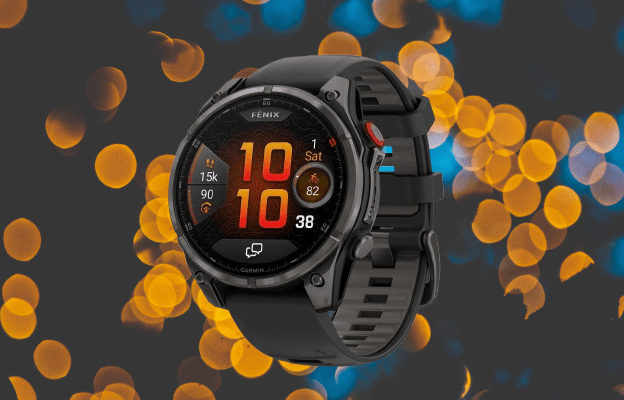
Topographic maps come preloaded right out of the box. Up Ahead and Dynamic Round-Trip Routing stand out in particular, flagging waypoints ahead of you and rebuilding your route on the spot, which matters a lot on race day or during long trips into unfamiliar terrain.
You may also like: Garmin CIRQA Smart Band: Price, Features, Battery Life
The biggest gap between the Pro and the standard model shows up in connectivity. Built-in LTE lets you make calls, send messages, share your location, and get tracked live, all without carrying a phone.
Pair that with InReach satellite technology, which kicks in the moment you’re off the grid, and you’ve got serious backup. SOS features and Garmin Response round out the safety net if something goes wrong.
There’s also a 51mm MicroLED version available. It’s brighter and sharper than the AMOLED screen, so maps and stats stay readable even in direct sunlight.
If you want the deepest training tools around, the best mapping in the business, and the safety net that comes with LTE and satellite messaging, the Fenix 8 Pro is tough to beat.
Pros |
Cons |
| LTE connectivity is good | Big jump in cost |
| MicroLED brings sharper, brighter display technology | You need to pay for an inReach subscription |
| Same great Fenix sports and outdoor features | New sensors equal a thicker case, and MicroLED battery drain |
Best Garmin Smartwatch: Garmin Venu X1
Garmin took its time catching up to where the smartwatch world has been heading, but the Venu X1 makes that wait feel worthwhile.
This isn’t another rugged, trail-ready Garmin like we’re used to seeing. The Venu X1 is built to go head-to-head with the Apple Watch Ultra 2, and it takes a genuinely different approach to get there.
You can tell that from a glance. The square face looks like it’s pulled straight from Apple’s design book, and instead of the bulkier build you’d find on something like the Fenix 8 or Enduro 3, this one is remarkably thin at just 7.9mm.
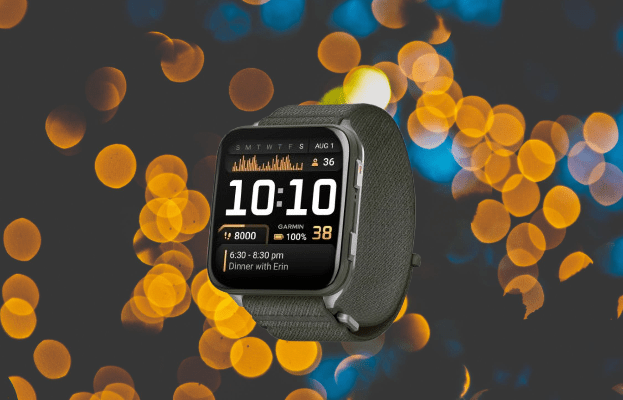
The new design comes paired with a screen that shows off what Garmin’s software can really do. At two inches, the display isn’t just large enough to fit your watch face and workout stats comfortably; it’s also bright and colorful thanks to the AMOLED panel.
Once you’re actually using it for training, it feels like classic Garmin. In our testing, the heart rate readings lined up closely with a chest strap monitor, and the data breaks down exactly where in a run you started to struggle, which is genuinely useful if you’re trying to improve.
You may also like: Amazfit Active 3 Premium Review: Best Budget Running Watch
All of that matters, but the real reason to choose this over the Apple Watch Ultra 2 comes down to battery life. Eight days on a single charge compared to Apple’s two days is not a close contest, especially considering Apple’s watch costs more.
Add in a built-in flashlight for navigating trails after dark, and it’s easy to see why the Venu X1 has become one of our favorite fitness trackers right now.
Pros |
Cons |
| Good Garmin sports tracking | Misses out on Garmin dual-band GPS and ECG |
| Big screen for viewing maps | Square design isn’t all that eye-grabbing |
| Very light to wear | Battery life in always-on display mode |
Best entry-level Garmin: Garmin Cirqa
If you’re curious about Garmin but don’t want to commit to a full smartwatch, the Garmin Cirqa is the easiest way in. Like the Whoop or Fitbit Air, it skips the screen entirely, tracking your health, recovery, and workouts quietly in the background and syncing it all to the Garmin Connect app.
You may also like: Garmin Cirqa Review: An Excellent Screenless Fitness Tracker
That makes it a good starting point if you want Garmin’s tracking without the extra bells and whistles. You get heart rate, blood oxygen, stress, HRV, VO2 Max, Body Battery, and sleep tracking, all without paying for a subscription.
Garmin Connect Plus is there too if you want more, things like AI-based insights, nutrition tracking, and Garmin Coach.
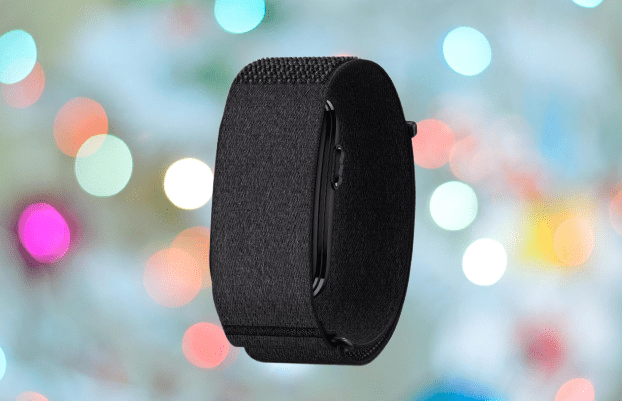
Workout tracking holds up well too. It covers more than 80 activities, auto-detection works reliably, and there’s a physical button for jumping straight into a workout. There’s no GPS built in, so you’ll need your phone nearby for route tracking, but Garmin’s Connected GPS was accurate throughout testing.
You may also like: Samsung Galaxy Watch 8 Classic Drops to $369 at Amazon
It’s not perfect. The Cirqa runs on Garmin’s older Gen 4 sensor rather than the newer Gen 5, and the sensor module pokes out slightly under the fabric strap, so it doesn’t sit quite as flush as some competitors.
Still, with accurate tracking, useful sleep data, and around 10 days of battery life, it’s an easy tracker to recommend if you’re just getting started with Garmin.
Pros |
Cons |
| Screenless design for discreet wear | Module is large and bulky |
| Up to 10 days of battery life | Strap selection is currently small |
| Accurate auto-activity tracking | No built-in GPS |
Best for entry-level Athletes: Huawei Watch Fit 5
If your budget is tight but you still want solid fitness tracking, the Huawei Watch Fit 5 deserves a spot near the top of your list.
At £149.99, it packs in more than you’d expect. The 1.82-inch AMOLED display looks sharp and bright, and two physical buttons work alongside the touchscreen to make navigating HarmonyOS 6.10 simple.
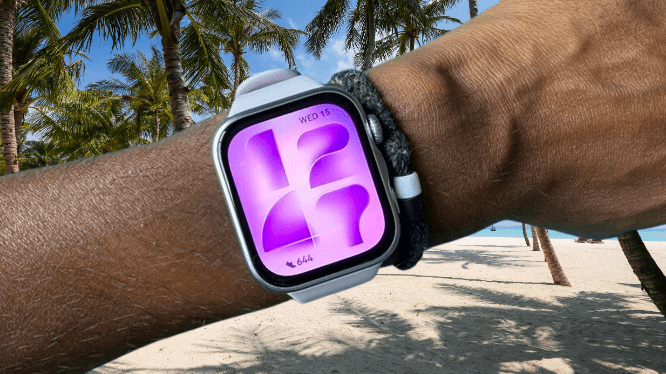
An optical heart rate sensor tracks your pulse in real time and also runs Pulse Wave Arrhythmia analysis, which can catch signs of serious issues like atrial fibrillation. Runners and cyclists get more detailed workout metrics too, and you can even pair external sensors like power meters, which is not something you usually see at this price.
One feature worth calling out is the new mini-workouts option. These are quick 30-second sessions you can squeeze in almost anywhere, a simple way to add a bit of movement to your day without much effort.
You may also like: Nothing Smartwatch Leak: Price, Release Date, and Design
On top of all that, the Watch Fit 5 tracks sleep and overall wellbeing, and comes with dual-band GPS, 5 ATM water resistance, and battery life that stretches up to 10 days per charge. If you’re just starting to take fitness tracking seriously, this is a genuinely strong option.
Pros |
Cons |
| Comfortable to wear 24/7 with good quality display | Limited app store access |
| Nice array of features for the price | Inconsistent feature support across iOS and Android |
| Gets new mini-workouts feature | Agreeing to consent on every feature |
Best Value Fitness Tracker: Xiaomi Smart Band 10 Pro
Xiaomi already had a winner in the Smart Band 9 Pro, and the Band 10 Pro builds on that in some meaningful ways.
The design feels noticeably more premium this time, and there’s even a ceramic version if you want something that stands out. The AMOLED screen has grown to 1.74 inches and hits 2,000 nits of peak brightness, so you can actually read it in direct sunlight, something a lot of budget trackers still struggle with.
You may also like: Garmin Instinct Crossover AMOLED Review: Hands-On Hybrid
Built-in GPS carries over from the previous model, so you can run or ride without bringing your phone along. Xiaomi also added a new PPG sensor and updated its tracking algorithms, which sharpens up heart rate and sleep data, two areas where the older model was inconsistent.
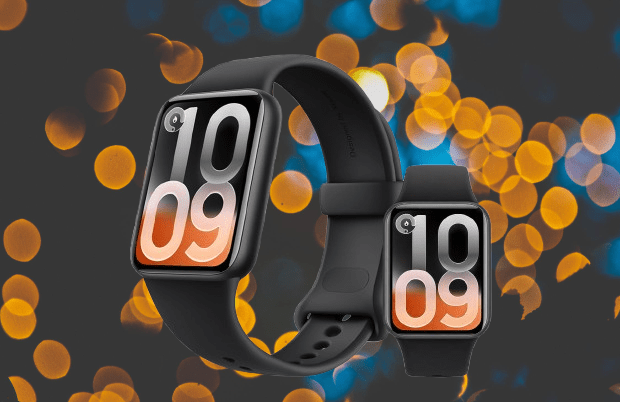
You get more than 150 sports modes here, plus 5 ATM water resistance with dedicated pool and open water tracking, so swimming is fully covered. There’s an NFC version too if contactless payments matter to you, though it costs a bit more.
Battery life goes up to 21 days, though using GPS regularly or keeping the brightness up will bring that number down. The app is still fairly basic, especially when it comes to breaking down workouts or sleep data in detail, but it covers the essentials without getting in your way.
You may also like: Amazfit T-Rex Ultra 2 Launches with 30-Day Battery Life and Offline Maps for $549
At $99.99, the Band 10 Pro makes a strong case for spending just a little more than the cheapest option out there.
Pros |
Cons |
| Added ceramic case model | Remains a button-free band |
| Lovely, sharp and vibrant AMOLED display | No Bluetooth calls |
| Good GPS and heart rate tracking accuracy | Mi Fit app could be slicker |
Best for Cardio: Garmin Forerunner 970
The Garmin Forerunner 970 tops this list for cardio tracking, and it earns that spot honestly, combining a sharp AMOLED screen, some of the most accurate sensors around, and a set of running tools built specifically for serious training.
Garmin has been moving toward AMOLED displays gradually over the past few generations, and the 970 shows they’ve finally nailed it. The screen is noticeably brighter than older Forerunner models, and Garmin added sapphire crystal on top, so it resists scratches better than most competitors at this level.
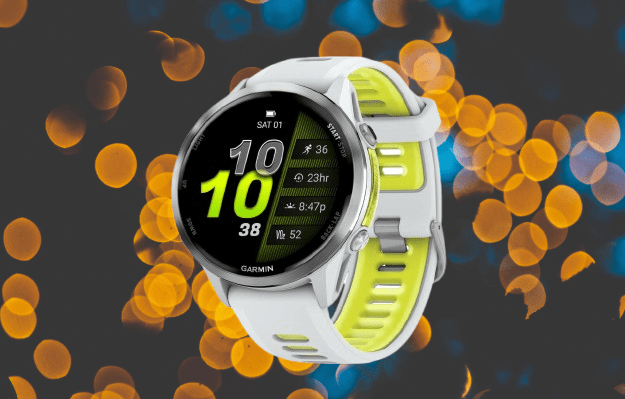
The software runs on Garmin’s own system, and it works just as well with iPhones as it does with Android. Garmin Connect handles syncing and settings like always, and there’s now an optional Connect+ subscription that layers in AI-driven insights on top of the usual features.
The interface itself got a refresh too, aiming to blend sports tracking and smartwatch features more smoothly than past models managed.
Where the 970 really pulls ahead is in tracking depth. Multiband GPS paired with an upgraded sensor setup puts it near the top of the pack for accuracy. Garmin also added two new metrics, running economy and running tolerance, which give you a much clearer sense of how your training is actually affecting your body over time.
You may also like: Amazfit Watches Get Runna App Support and Zepp App Redesign
The real trade-off is battery life. You’re looking at roughly 4 to 5 days with moderate use, a big step down from the 15 days its predecessor, the Forerunner 965, managed.
If battery life matters more to you than new features, the 965 is still the smarter pick. But if you want the most advanced cardio tracking on this list, the Forerunner 970 delivers; just know you’re paying a premium price for it.
Pros |
Cons |
| Nice and bright screen | Battery drop from the 965 |
| Sapphire glass for added screen protection | The price has increased massively |
| Some useful new running metrics | Garmin heart rate monitor needed for new metrics |
Best Ring-Based Fitness Tracker: Oura Ring 5
The Oura Ring 5 sits at the top of our smart ring rankings, and a big reason for that comes down to how much Oura improved the design this time around.
The Ring 4 got close to looking like real jewelry, but the Ring 5 is the first version that actually pulls it off. At 6.09mm wide and 2.28mm thick, it’s among the thinnest smart rings you can buy anywhere, and the titanium build keeps it light while holding up much better against scratches than earlier versions.
The gold model we tested genuinely looked premium, which isn’t something you can say about most smart rings.
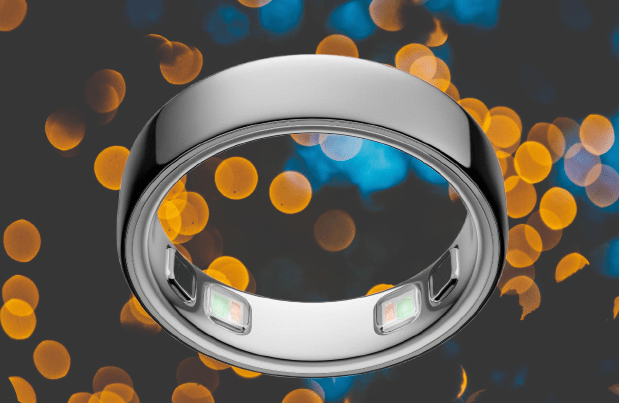
Underneath that upgraded look, the Ring 5 still delivers the sleep and wellness tracking Oura built its name on. The readiness score and sleep breakdowns remain some of the best in the wearable space, giving you a clear read on how well your body is recovering and where you might need to adjust.
You may also like: Whoop vs Apple Watch: Full Comparison 2026
One thing worth knowing upfront is that Oura still runs on a monthly subscription, unlike some competitors. That’s $5.99 a month, and it gets you a clean, well-designed app with smart food tracking and a built-in AI health coach. Just factor that ongoing cost into your decision before you buy.
Pros |
Cons |
| Fantastically compact, premium design | No real changes to the app |
| Great overview of health and fitness | New software features are region-locked |
| Polished, clutter-free app experience, with excellent battery life and rapid charging | Requires a monthly subscription |
Best Huawei Fitness Tracker: Huawei Watch Fit 5 Pro
The Watch Fit 5 Pro is the pick for anyone who wants a Huawei tracker built around long battery life and genuinely useful health monitoring, even if it doesn’t get as much attention as the flashier models in Huawei’s range.
At a glance, the 44.5mm case looks a lot like an Apple Watch, and Huawei has largely kept the design close to its previous Pro model. One nice change is the lug-style strap connector, which makes swapping bands far easier than the pin system used on other Huawei watches.
The software is where things start to split by platform. iPhone users get a limited experience, no access to notifications or the full app library, while Android users get more out of it, with a handful of useful extras thrown in. That said, Huawei’s own health tools hold up well regardless of phone. Sleep tracking and stress monitoring both performed solidly in our testing.
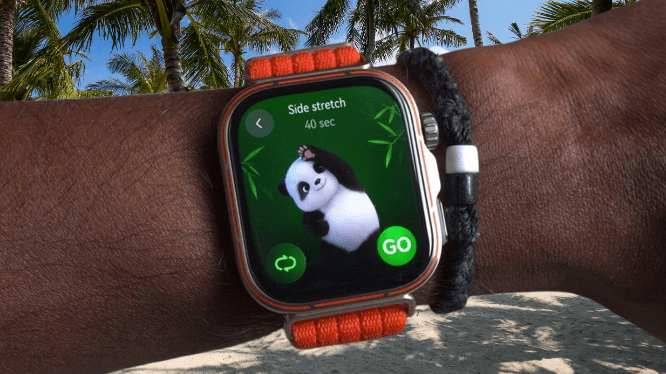
Fitness tracking is really where this watch shines. It covers a wide range of sport modes, from walking to running to hiking, all backed by dual-band GPS for accurate pace and route tracking.
You may also like: Moto Watch brings Polar’s pro-tier fitness perks
The 5ATM water resistance rating even covers recreational diving down to 40 metres, which is a genuinely impressive spec for a tracker at this price. There’s also a new mini-workout feature that nudges you to move during long stretches of inactivity.
Battery life landed around a week in our testing, a good result for stamina in this category of tracker.
Pros |
Cons |
| Attractive and very comfortable design | Not a radical upgrade on the Fit 4 Pro |
| Bigger display doesn’t feel huge on the wrist | Android users will enjoy stronger smartwatch support |
| Fun addition of mini-workouts | Huawei Health app is still full of bloatware |
Best Subscription-Free Tracker: Amazfit Helio Strap
The Amazfit Helio Strap stands out as one of the best subscription-free fitness trackers around, delivering a genuinely deep feature set without ever asking you to pay a monthly fee on top.
There’s no screen, and that will turn some buyers off immediately. But if you find constant notifications on your wrist distracting during a workout, the lack of a display actually works in this tracker’s favor rather than against it.
For the price, the feature list is genuinely strong. You get 27 sports modes, 25 strength exercises the strap can detect on its own, and a dedicated Hyrox mode for tracking combined running and strength effort. That level of sports coverage would stand out even on a device costing twice as much.
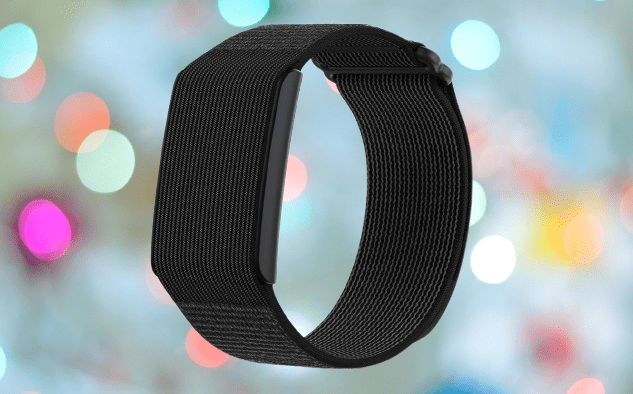
Accuracy is really where the Helio Strap makes its case. Heart rate tracking stayed reliable throughout testing, and VO2 Max estimates held up just as well. BioCharge Wake, Zepp Health’s version of a readiness score, tracked closely against an Oura Ring worn at the same time, which isn’t easy to pull off.
You may also like: Apple Watch Ultra 2 Deal: $599 (Save $200) on GPS and Cellular Model
Sleep tracking impressed too. Wake times, sleep stages, and overnight heart rate data all lined up closely with what the Oura Ring recorded on the other wrist. Amazfit rates battery life at up to 10 days, though expect closer to a week once you turn on continuous stress monitoring and blood oxygen tracking.
At $99 with no subscription attached, the Helio Strap is an easy recommendation if you want good fitness tracking that stays out of your way, without a monthly bill following it.
Pros |
Cons |
| Comfortable to wear 24/7 | Overly sensitive exercise recognition support |
| Good heart rate tracking accuracy | Zepp Health app still needs refining |
| Useful for daily activity and sleep tracking | General sports tracking could be improved |
Final Thoughts
Choosing the right fitness tracker comes down to what you actually want it to do. If you want a screen-free option that stays out of your way, the Fitbit Air or Amazfit Helio Strap both deliver strong tracking without pulling your attention.
If you’re after the most advanced training data and don’t mind charging more often, the Garmin Forerunner 970 and Fenix 8 Pro sit at the top of the pack. And if budget matters more than premium features, the Huawei Watch Fit 5 and Xiaomi Band 10 Pro prove you don’t need to spend much to get accurate, reliable tracking.
Battery life, subscription costs, and screen preference are the three things that will narrow your choice fastest. Decide on those first, then match your pick to your training goals. Whichever tracker you land on from this list, you’re getting a device we tested ourselves and trust to deliver real, usable data.