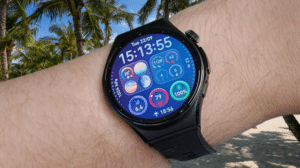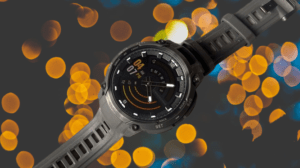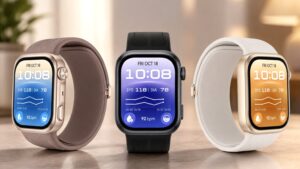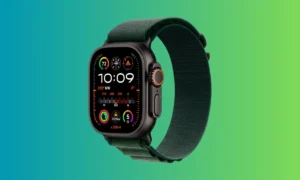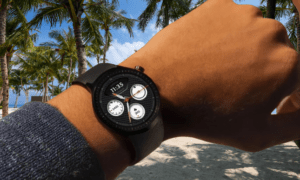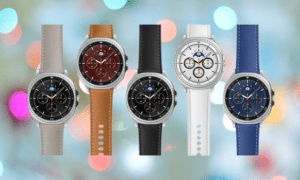

Samsung just launched its newest premium watches, the Galaxy Watch 9 lineup and the flagship Galaxy Watch Ultra 2. Both carry steep price tags, but it looks like Samsung might already be working on something cheaper to sit alongside them.
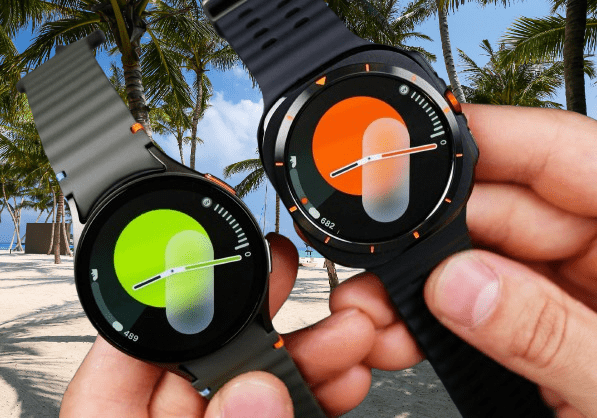
SamMobile spotted references inside the Galaxy Wearable app pointing to an unreleased watch going by the codename Galaxy Aero. The more interesting detail is how it’s labeled in the code: “galaxy_rtos_watch.” That naming suggests this watch could run on a real-time operating system instead of Google’s Wear OS, a real departure from what Samsung normally ships.
What is RTOS
RTOS stands for Real-Time Operating System, and it’s a stripped-down platform built to run a fixed set of tasks fast, using a fraction of the processing power and memory that Wear OS needs.
On a smartwatch, that usually covers the essentials, which are telling time, tracking heart rate, counting steps, monitoring sleep, and showing basic notifications. Because RTOS can run on low-power microcontrollers, it needs far less RAM than the full application processors Wear OS depends on.
You may also like: Samsung Galaxy Watch 9 Review: Refined Health Tracking, Weak Battery
That simpler hardware setup also brings costs down. Samsung wouldn’t need the pricier processor, extra memory, or large battery that its premium Wear OS watches require, which gives it room to actually compete with budget-friendly options from brands like Amazfit and Motorola.
Lower power draw means better battery life too. Watches running RTOS often last a week or longer per charge, while most Wear OS watches still need topping up every day or two.
Samsung’s RTOS Smartwatch Battery Life
Wear OS functions almost like a mini Android phone on your wrist. You get downloadable apps, Google Maps, Wallet, Gemini, and a dedicated corner of the Play Store built for watches.
An RTOS-powered Galaxy watch would work differently, likely leaning entirely on Samsung’s own health tools, watch faces, and built-in apps. Third-party app support would probably be limited, and replying to notifications might be more restricted than what Wear OS users are used to.
You may also like: ASUS VivoWatch 6 Plus: AI Health Tracking Smartwatch
This wouldn’t actually be new territory for Samsung. The Galaxy Fit 3 already runs on FreeRTOS, handling fitness tracking, sleep monitoring, media controls, and basic notifications using just 16MB of memory.
Its 208mAh battery stretches to almost two weeks on a charge. If Galaxy Aero follows that same approach, it could end up feeling more like a fitness band shaped like a watch, unless Samsung has something more capable planned for this still-unannounced device.