
Battery longevity has been the top argument against buying an electric vehicle. Critics kept asking the same question: would these expensive battery packs survive past a few years, or would owners face costly replacements before the rest of the car wore out?
The Wall Street Journal reports that real-world data tells a different story now. Modern EV batteries last longer than expected. Many vehicles retain most of their original range even after hundreds of thousands of miles. This data could change how consumers view EVs, right as the industry pushes electric vehicles into the mainstream.
Real-World Data Shows Modern EV Batteries Hold Up Over Time
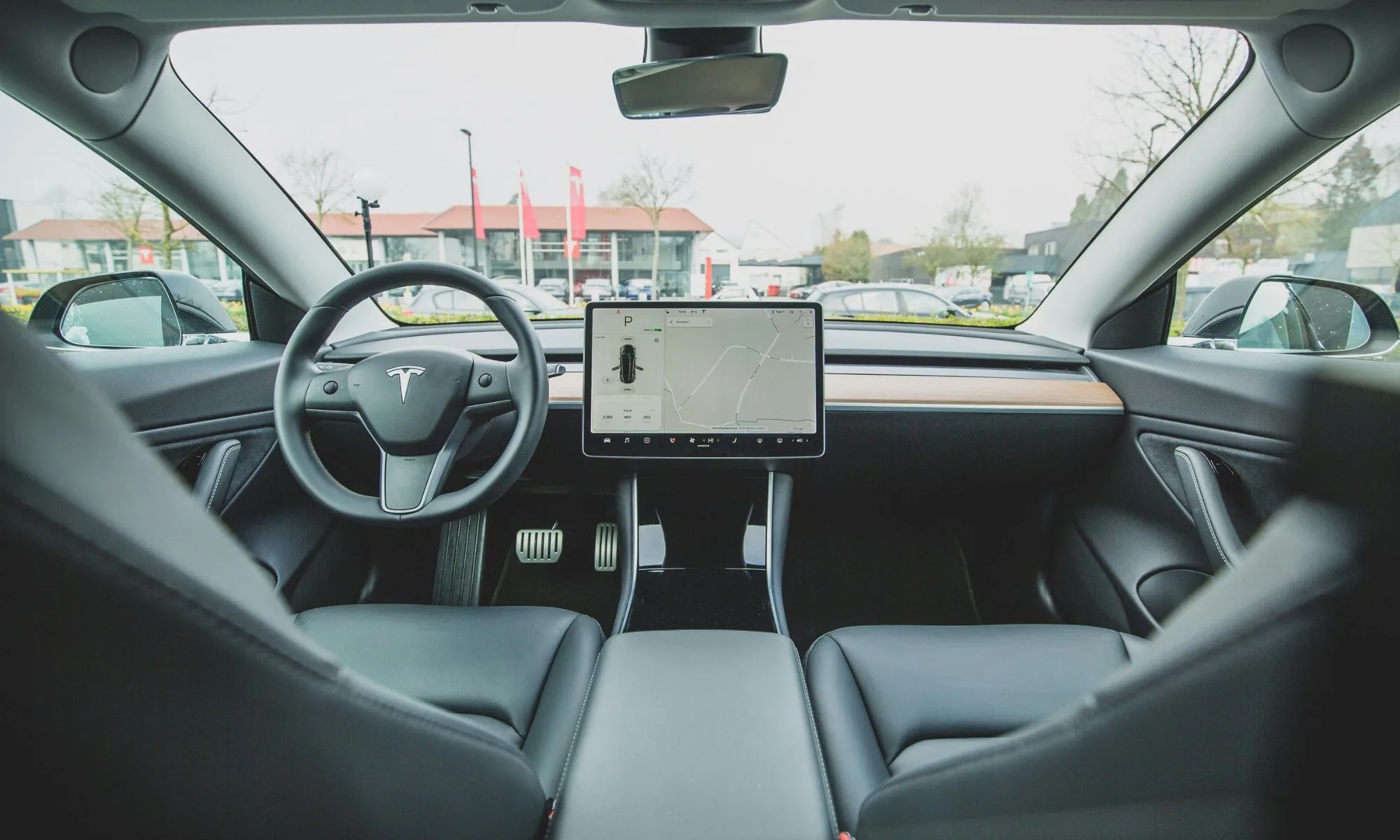
Richard Symons owns a five-year-old Tesla Model 3. The UK-based used EV dealer has driven it 247,000 miles. His car still completes long-distance trips without trouble. His experience matches what researchers and industry analysts see across newer EV generations.
You may also like: ChatGPT Is Now Available on Apple CarPlay
Battery degradation happens much more slowly than buyers originally feared. Battery analytics company Recurrent tracked EV performance over time. Their data show that the average EV retains up to 95 percent of its original driving range after five years of ownership. That number beats many early predictions.
Three factors drive this improvement. Battery chemistry has advanced. Thermal management systems now better protect cells. Battery management software monitors cell health and reduces long-term wear.
You may also like: GM’s 2027 EVs Get Native NACS Ports for Tesla Chargers
Repair data backs this up, too. Recurrent found that roughly one in 12 electric vehicles built between 2011 and 2016 needed a battery replacement at some point.
For EVs built from 2022 onward, that number drops to just 0.3 percent. Early models like the original Nissan Leaf lacked modern cooling systems for the battery. That gap made them degrade much faster than the EVs you can buy today. Consumer perception has not caught up with reality yet.
You may also like: Nissan Brings Qi2 Wireless Charging to 2026 Pathfinder and Murano: Here’s What’s New
A 2025 survey by AutoPacific found that fear of expensive battery replacement remains the top reason many buyers avoid electric vehicles. Jessica Caldwell, head of insights at Edmunds, told the Journal that many consumers still hesitate over EV batteries despite the improving reliability data.
That does not mean batteries are immune to wear
Frequent DC fast charging wears down your battery faster than slower charging methods. Geotab data shows the gap clearly. Batteries charged often at high power retain about 89.7 percent of their original capacity after several years. Batteries that rely mainly on lower-frequency fast charging retain 94.9 percent.
You may also like: Apple CarPlay May Soon Support ChatGPT and Other AI Assistants
Other habits hurt your battery too. Charging to 100 percent every time speeds up wear. Leaving your battery fully discharged for long periods does the same. Extreme temperatures add more stress on top of that. The report includes a chart that shows this gap growing wider between the two charging habits as the years pass.
Battery replacement costs still run high outside warranty. You can pay anywhere from $5,000 to $16,000 depending on the manufacturer. Many automakers now design packs so technicians can repair individual modules instead of swapping the whole pack. This cuts your long-term ownership costs.
You may also like: Xpeng L03: Supercar Looks, Triple AI Chips, Google Maps
These findings land at a tough moment for the EV industry. US electric vehicle sales slowed in 2026 after changes to government incentives. Analysts quoted by the Journal still expect adoption to resume its long-term growth.
Consulting firm AlixPartners forecasts EVs will make up 11 percent of new US vehicle sales by 2030. Globally, that number could approach 25 percent of all new car sales by the end of the decade.
More high-mileage EVs keep proving their durability every year. One of the biggest concerns holding back buyers may start to fade.