
China is making a serious play to reshape who controls the memory chip supply chain, and one of the clearest signs of that is about to show up inside a Xiaomi phone.
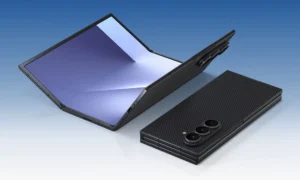
ChangXin Memory Technologies, a Chinese memory chip maker known as CXMT, is set to supply its newest LPDDR6 DRAM chips for Xiaomi’s next foldable phone, a move that matters for China’s broader effort to rely less on foreign chip suppliers.
According to Reuters, CXMT has already started mass production of LPDDR6, and Xiaomi plans to put those chips in its upcoming foldable phone, expected to launch in September. Xiaomi confirmed the partnership itself through its official Weibo account.
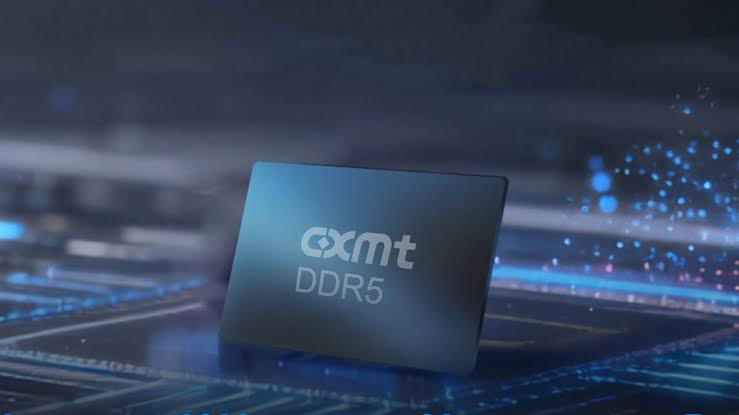
What makes this stand out is that LPDDR6 represents CXMT’s most advanced mobile memory chip to date, putting the company noticeably closer to competing with the world’s biggest memory manufacturers.
CXMT Chips on Xiaomi means a new supply chain for RAM is now open
This Xiaomi deal matters for reasons that go well beyond a single phone. Memory chips sit at the core of basically every piece of modern electronics, phones, computers, servers, AI hardware, all of it. Up until now, that market has largely belonged to a handful of players such as Samsung, SK Hynix, and Micron.
You may also like: Xiaomi 17 Ultra Review: Best Camera Phone of 2026
CXMT is trying to break into that space from within China. Reuters reports the company has already sent out samples of LPDDR6 chips for use in phones, servers, and smart cars. This follows CXMT’s earlier work on LPDDR5 chips, showing a clear pattern of the company climbing toward more advanced memory tech step by step.
Xiaomi’s foldable is also expected to run on a new version of the company’s own 3-nanometer Xring O3 chip, built to work with LPDDR6. Put together, that pairing makes the phone a strong example of China’s push toward building a semiconductor industry that doesn’t depend on outside suppliers.
If CXMT can keep up reliable, large-scale production of advanced memory chips, it gives Chinese phone makers another homegrown option, which matters a lot given how complicated access to foreign chip technology has become amid ongoing geopolitical tensions.
CXMT and US Scrutiny
CXMT’s rise isn’t happening in a vacuum, though. Back in January 2025, the US Defense Department labeled CXMT a Chinese military company, and that designation stuck around even after the Trump administration reviewed the list again in June.
CXMT pushes back hard on that label, saying it has no ties to China’s military and that its DRAM chips go toward civilian and commercial products only.
The company has now taken the Pentagon to court over it, arguing in a US federal lawsuit that the designation was made without real evidence, applied arbitrarily, and violated its right to due process. CXMT says the label has already hurt its reputation and business, and it wants to be off the list completely.
You may also like: Best Intel CPUs 2026: Which Core Ultra Chip to Buy
There’s also a separate thread to this story. The Wall Street Journal previously reported that Apple has been testing CXMT’s DRAM chips for potential use in products like iPhones and MacBooks.
Apple has reportedly had early conversations with CXMT about sourcing memory for devices sold in China specifically, though Apple is waiting on some kind of green light from the US government before moving forward with anything.
The timing here says a lot. We just found out that a memory shortage might already be slowing down production of the A20 Pro chip meant for the iPhone 18 Pro. According to sources, TSMC currently has around $1 billion worth of finished chips sitting there, waiting on memory supply before packaging can even continue.
Apple had already reached out to CXMT as a backup DRAM supplier, but talks over pricing didn’t go the way Apple hoped. CXMT reportedly quoted prices matching or exceeding what Samsung and SK Hynix charge.
Part of the reason is that Huawei, Xiaomi, and other Chinese phone makers have already locked up most of CXMT’s output through long-term contracts, leaving the company little reason to offer Apple its usual discount.
You may also like: Nvidia H200 Chips Reach ByteDance and Tencent in China
For everyday consumers, none of this changes much beyond another Xiaomi foldable running on Chinese-made memory. But zoom out, and this could signal something much bigger for the chip industry as a whole: Chinese memory manufacturers shifting from playing catch-up to actually supplying components for advanced consumer electronics.
The real question now is whether CXMT can actually scale up LPDDR6 production, keep quality consistent, and convince more companies to sign on as customers.