
Cameras have always hunted for faces. A new study suggests they might start hunting for something else too: the tiny, unconscious patterns in how you move.
Researchers published a paper in the International Journal of Reasoning-based Intelligent Systems introducing SKDMap-Net, a system built to recognize people through their walk alone. No clear face shot needed. It watches how your body moves across frames and picks up on the details that make your walk yours.
That’s a useful idea and an unsettling one at the same time. Even if someone is too far away for a face scan, or turned to the side, or partly blocked from view, their walk alone might still be enough to identify them. In testing, the model hit 95.8% accuracy on one major gait dataset and 83.7% Rank-1 accuracy on a tougher, real-world dataset.
Why a walk can travel farther
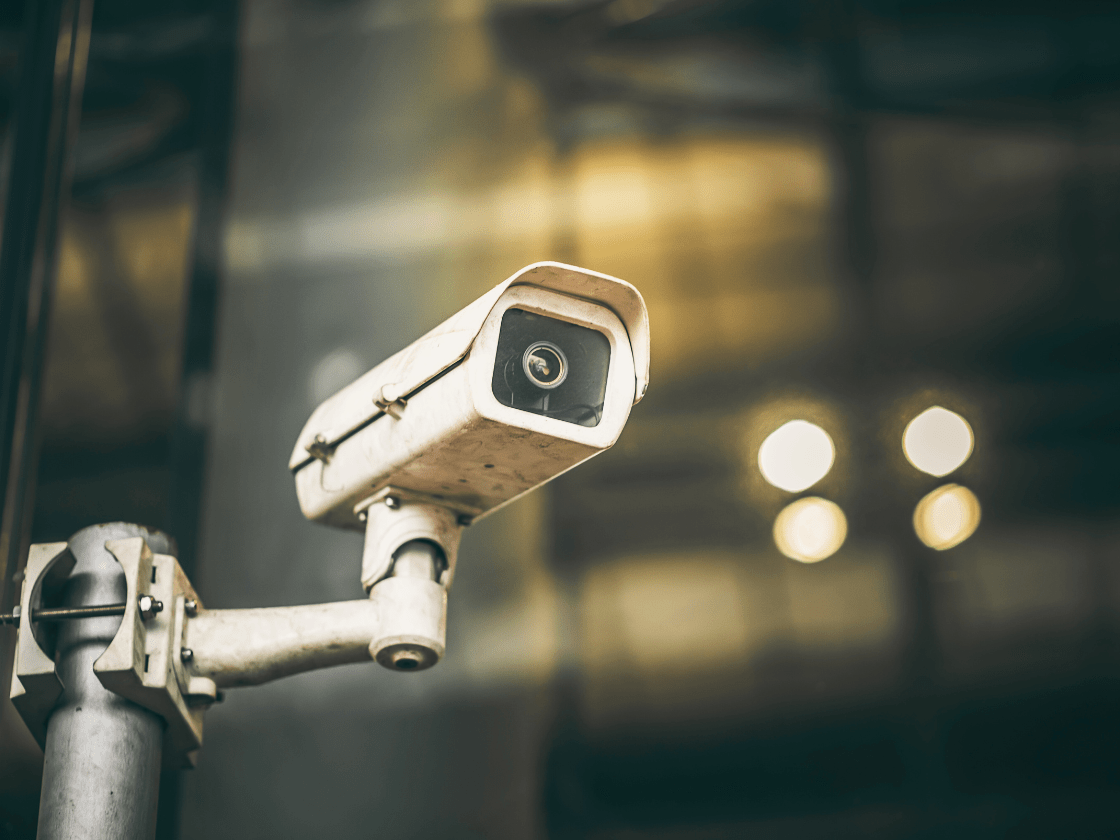
Faces, fingerprints, and iris scans all run into the same problem. They only work with a close, sharp capture, and that’s rarely what security cameras actually get.
Gait recognition skips that requirement, which is part of why researchers are paying attention to it. SKDMap-Net backs this up with real numbers too, hitting strong accuracy on one major gait dataset and 83.7% Rank-1 accuracy on a tougher, real-world dataset.
You may also like: Arlo Pro 6 2K+ Review: Is It Worth Buying?
Walking actually makes the job easier for the system. It doesn’t need you standing still under good lighting. It just watches how you move: your stride, your timing, the way your limbs swing as you go. That’s exactly why gait recognition keeps drawing attention from security researchers.
It gives cameras another way to identify someone when a face isn’t an option, whether it’s too blurry, turned away, or too far off to make out clearly.
Reading Movement the Way AI Sees It
SKDMap-Net skips the usual approach of treating a walk as one flat silhouette. That method falls apart fast when the camera angle isn’t ideal or the shot gets messy.
Instead, this system maps the body as a set of moving points and follows how each one behaves over time. It pays attention to how joints bend, how fast they rotate, and how that pattern shifts step by step. That matters most when the camera view isn’t perfect.
You may also like: Blink Outdoor 4 XR 4-Camera System Drops to $164.99 (45% Off, Save $135)
Say someone’s legs are blocked from sight. Instead of trying to fill in the gaps, the system just shifts its focus to how the upper body moves. It’s not looking at your shape or build; it’s tracking motion itself.
Where privacy gets complicated
There’s an upside here. If cameras process skeletal data instead of saving raw video, less identifiable footage sits around in the system. That’s a real improvement over how most cameras work today.
But don’t mistake that for harmless. Gait still counts as a behavioural biometric. Your walking pattern can identify you even after someone strips away your face from the footage.
Better long-range identification also means easier tracking of people in public spaces. Before “just walk normally” turns into bad privacy advice, this technology needs clear rules on how long footage gets stored, who can access it, and where it gets deployed.