
Google’s handing smart-home owners a new option that sounds almost unusual, and that is letting an AI agent of their choosing take the wheel on your house.
The company introduced Google Home MCP, a Model Context Protocol integration that lets compatible AI agents, including Claude, Google Antigravity, Hermes, and OpenClaw, reach into your Google Home setup and control your devices directly.
It goes beyond simple on/off switching too, since the integration also pulls device history, giving these agents more context to work with.
Google Home MCP Lets AI Agents Control Devices
The concept is simple once you break it down. Instead of being locked into talking to Gemini through the Google Home app, you can hook up another MCP-compatible AI agent and let it run your smart home instead.
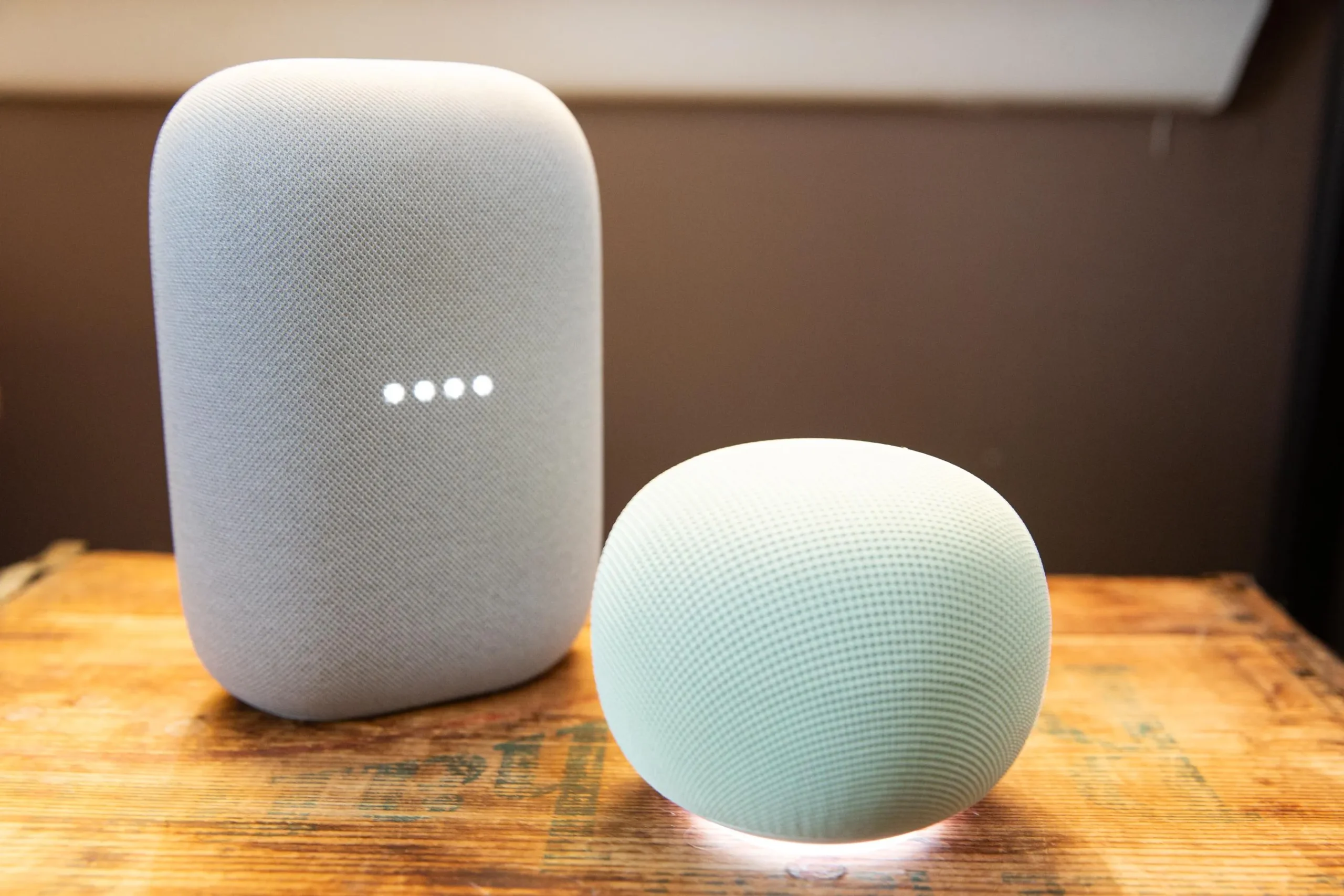
That unlocks some genuinely handy scenarios. Your agent could check whether your home is locked up, switch off a whole group of lights at once, dig through camera footage and device history, or spot patterns across everything connected to your network.
Google points to examples like asking what happened while you were out, or how many loads of laundry got done that week.
You may also like: Ugreen Enters Smart Home With Local AI HomeAgent Hub
The agent can build custom dashboards too, and it can talk back to you through your Google Home speakers. So rather than remembering which app controls which device, you can increasingly just ask an AI and let it sort out the rest.
Google Home MCP Access Control
Right now, Home MCP sits in early access, limited to Google Home Premium Advanced subscribers in the US, and Google’s rolling out access gradually over the coming weeks. That subscription runs $20 a month or $200 a year, and setting it up currently means creating a Google Cloud project and configuring Home MCP yourself.
You may also like: Google Home Update Makes Gemini Faster and Smarter
Google built in some safety limits too, blocking AI agents from unlocking your doors, for instance. But the company states that results can vary depending on which agent you use. Lehman put it plainly: connecting to Home MCP can lead to unexpected, even unwanted, behavior. His advice is to read through Google’s developer policies and terms of service before you give any AI agent access to your home.
Ultimately, Google is turning Home into a platform other AI agents can plug into, rather than keeping smart-home control locked to Gemini alone.
The bigger shift here is smart homes moving from just following commands to actually understanding what’s happening, reasoning through it, and acting on their own. For now, the smart approach is handing over permissions one at a time, not all at once.