
Xiaomi has sold flagship phones in the UK for years, but the Xiaomi 18 Pro takes a different path from its camera-focused Ultra range.
I already liked Xiaomi’s Ultra phones and their camera-first designs. The 18 Pro won me over anyway. It is a premium phone with a compact body and a maximalist spec sheet.
You get one of the most powerful chipsets available, three top-tier cameras, a clever rear display and battery life that lasts all day. The privacy display also switches on and off with ease.
It is not perfect. The privacy display is less effective than Samsung’s, and similarly priced phones last longer on a charge. Still, at £1,199, Xiaomi has built a very accomplished high-end Android phone. I would happily recommend it to anyone who wants a great device that should last for years.
Xiaomi 18 Pro Full Specs
Xiaomi 18 Pro Design
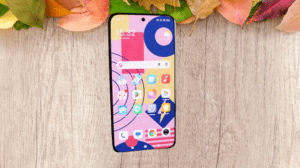
From the front, the Xiaomi 18 Pro looks plain. It has a curved display with thin, even bezels and a round punch hole for the selfie camera.
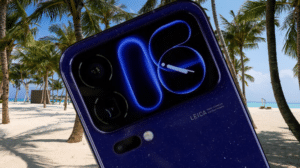
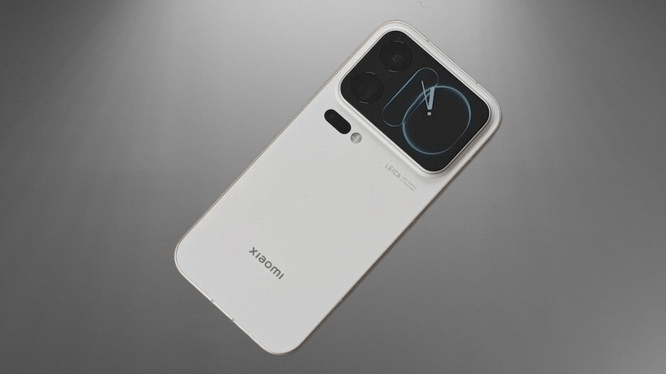
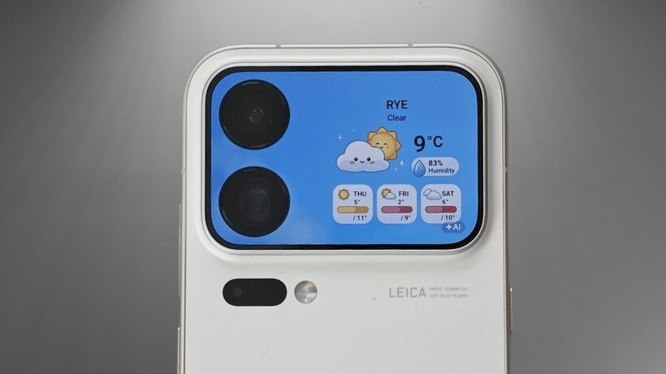
The back is where it gets odd. A full 120Hz mini display sits in an oblong bump beside two of the camera lenses. It is a bold choice, but it adds little weight or bulk. It also puts the main and telephoto lenses flush with the glass of the bump, which gives the design a finished look.
You may also like: Xiaomi 18 Pro Max Review: Rear Screen, Leica Cameras, Power
The ultrawide lens sits in a pill-shaped cutout just below, next to a round flash. When I first saw the phone, I thought it had only two cameras. After some time with it, I think this is a clever use of space. The design is different without trying too hard. The extra display fits in well.
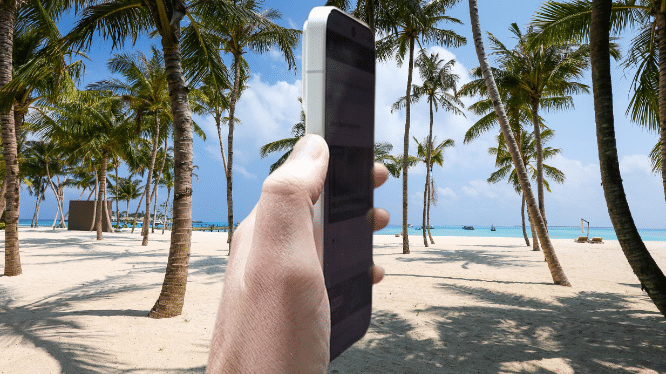
The side rails are flat aluminium and the back is glass. Most premium phones have gone flat, and curved screens are on the way out. On the left edge is an AI button. You can remap it to toggle silent mode, do not disturb, voice notes or AI translation, or set it to do nothing. You can set separate actions for a short press and a long press, which makes it more useful.
My white review sample looks pleasant, but the Cosmic Blue and Velvet Red versions are more fun. A black model is available too. The white and black phones are 0.1mm thinner at 8.46mm, while the blue and red are 8.56mm. All four are 151.8mm tall and 72mm wide.
That makes the phone almost the same size as the iPhone 18 Pro, which measures 150 x 71.9 x 8.8mm. Last year Xiaomi skipped the 16 series to line up its numbering with the iPhone. This year the 18 Pro sits very close to Apple’s 18 Pro in look and feel. If Xiaomi did not want the comparison, it should not have picked the same name.
The phone has an IP68 rating for water and dust resistance. Its haptic motor, the part that creates vibration, is also excellent. Many phones simply buzz when a call or notification comes in.
The 18 Pro gives a tight, crisp tap and buzz that makes the keyboard and the whole system feel more premium. A poor haptic motor can make a phone feel cheap, and this one does the opposite.
Xiaomi 18 Pro Screen
The Xiaomi 18 Pro has two displays, which is unusual. The main one is a 6.4-inch AMOLED panel with a 120Hz refresh rate. It is LTPO, so the refresh rate can drop as low as 1Hz and settle at speeds in between, depending on what is on screen. That saves battery when the always-on display is showing or when you scroll through text. The top rates kick in when you need them, such as in high-end games.
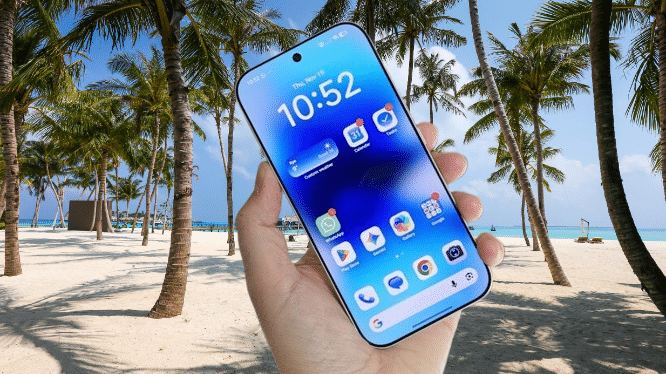
Xiaomi calibrated the display well out of the box, with less saturated colors than some Android rivals. If you want to change it, you have good options. You can adjust the color temperature by hand, or turn on a toggle that shifts it with the ambient light, much like Apple’s True Tone.
You may also like: Xiaomi 17 Ultra Review: Best Camera Phone of 2026
The phone also has a privacy display, which is new to Xiaomi. It works like the one on the Samsung Galaxy S26 Ultra. The display alters the pixels slightly so the screen is harder to read from the side. That should stop people from peering over your shoulder at your passwords, texts, and other sensitive information.
It is not on all the time. You can turn it on in settings or limit it to certain apps, which is clever. I set mine to switch on and off with the phone’s side button.
The effect is weaker than Samsung’s. From a side-on view, you can still see the Xiaomi screen, but it dims enough that you can barely tell what is on it. It does not fully black out the display. That is probably on purpose, because the screen quality barely suffers when you look at it head-on with the setting enabled.
The S26 Ultra’s privacy display distorted some colors and image quality even when viewed head-on, when it should not interfere at all.
On the 18 Pro, it is much harder to spot. If you look closely, some pixels are dimmed, but that is how the tech works. I think Xiaomi struck the right balance. You could leave it on all the time without being bothered, which is not true of the Samsung.
Now for the small screen on the back. Xiaomi calls it the back display. It is a 2.7-inch panel that wraps around the camera lenses for a seamless look. Double tap it while the phone lies face down to open mini apps, such as a calendar or a list of upcoming events.
I could not link my Google account to the Xiaomi calendar app that feeds this, so none of my events showed up.
You can set a countdown timer, or install from a small pool of available apps. I cannot see many developers building for it, since it only exists on this phone and the 18 Pro Max. The settings do include a surprisingly effective generative AI tool that lets you make your own back display apps.
I was skeptical. I told it to “create a weather app with cute cartoon graphics attached to the phone’s location.” After a few minutes of AI processing, it produced an app called Whimsical Weather Pals. It had the correct location, a cute cartoon sun and cloud, and accurate weather stats for today and the next two days.
You may also like: Xiaomi 17T Review: A Practical Phone With a 5x Telephoto
On its own, that is cool, and I was impressed. Still, I am not sure that burning water and energy in a remote data center so I can build custom apps for a secondary display is where consumer tech should be heading.
The phone would also have been cheaper without the display, which would have made it more competitive in the UK.
For what it is worth, the tool refused to make me a calendar app based on Google Calendar.
Xiaomi 18 Pro Cameras
I loved the triple camera setup on the Xiaomi 17 Ultra. The 18 Pro cannot quite match it on hardware, but the two phones come very close in overall photo performance.
The 17 Ultra has a 50MP 1-inch sensor. The 18 Pro uses a 200MP main sensor that is smaller at 1/1.28 inches. That is still large for a smartphone camera, and it gives excellent results in most conditions.
You may also like: Xiaomi 17T Pro Review: Big Battery, Familiar Design
Thanks to Xiaomi’s ongoing Leica partnership, you can shoot in Original, Leica Vibrant or Leica Authentic. I switched between the two Leica modes depending on the shot. Vibrant gives slightly saturated, moody photos. Authentic gives more true-to-life tones that are a little more restrained.
Google, Apple and Samsung have drifted toward a similar, computational look over the years. Xiaomi has a firm opinion about how its photos should look, and the results are bold.
You may not like that, so think about it before you buy. For me, the 18 Pro made me want to take more photos, and I cannot say that about every flagship I review.
The 3.2x optical zoom on the telephoto lens is magnificent. It produces natural bokeh, and its sharpness and color match the main lens most of the time.
The ultrawide is the weakest lens, as it is on most phones. It works well indoors and for landscapes and city scenes when you want to fit more in without stepping back. If I could step back, I would use the main lens instead, which is much better.
You may also like: OnePlus 15T Launch Date: Specs, Battery and Price
The ultrawide sits in that pill-shaped cutout with a small sensor, which tells you where it ranks. I agree with Xiaomi that the main and telephoto lenses matter most on a phone.
Xiaomi 18 Pro Performance
You do not need to worry about the Xiaomi 18 Pro’s performance. It uses the Snapdragon 8 Elite Gen 6, not the even stronger 8 Elite Extreme Gen 6 in the 18 Pro Max, but it still has more than enough power.
Top-tier games like Wuthering Waves and Genshin Impact ran flawlessly at maximum settings. I also find this compact phone more comfortable to game on than larger Android phones.
Heavy multitasking between apps and long camera sessions caused no trouble either. The 256GB and 512GB models sold in the UK come with 12GB of RAM. In my testing, that was plenty to keep performance excellent.
Xiaomi 18 Pro Software and AI
Ten years ago, Xiaomi’s Android software was a mess. A lot has improved since then. HyperOS 4, which debuts on the 18 Pro, is streamlined and easy to use. It borrows heavily from Apple’s iOS, right down to a copy of the iPhone’s Liquid Glass look. In the settings, you can switch HyperOS’s visual style from Soft glass to Frosted glass.
You may also like: Huawei Pura X View: Specs, Design and What We Know
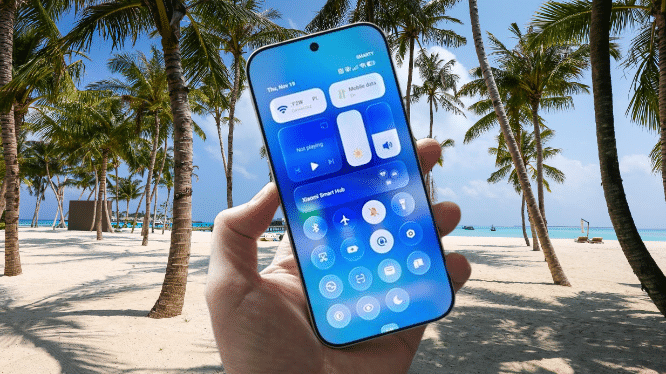
Set that aside, and there is plenty to like. The software mostly stays out of your way unless you want to dig into detailed settings. The quick settings panel, which opens from the top-right corner, is highly customizable, and you can add or remove many system toggles.
I use it for dark mode, reading mode, reverse wireless charging, and do not disturb. Not every phone makes those switches this easy to reach.
For a £1,199 phone, I do not like the bloatware. WPS Office, TikTok, Amazon, Prime Video, AliExpress and Spotify come pre-installed. You can at least uninstall them. You can even remove App Mall, Xiaomi’s app store. That surprised me, and I welcome it, since I only want to get apps from the Google Play Store.
Xiaomi has built its own AI services into the OS, but they are easy to ignore if you would rather use Google Gemini. The Gemini app sits on your home screen during setup. The Google feed is one swipe away, and holding the power button opens Gemini.
Xiaomi 18 Pro Battery life
In the UK and Europe, the Xiaomi 18 Pro has a 6,000mAh battery, which is smaller than the Chinese version because of import restrictions. Even so, it easily lasts a full day, and it usually carries me well into a second day. If you want a true two-day Xiaomi phone, the 18 Pro Max is the better pick because it has a larger battery.
Charging support is good. The phone handles 90W wired and 50W wireless charging. There is no charger in the box, but Xiaomi phones support the PPS standard, so any third-party charger that can deliver 90W will work.
You may also like: OnePlus 15T Rumors: Dual 50MP Cameras and Massive Battery in Compact Flagship
I tested it with a Vivo 100W PPS charger. Starting from empty, the phone reached 34% after 15 minutes and 61% after 30 minutes. A full charge took just over an hour and a quarter.
Xiaomi 18 Pro Verdict
The Xiaomi 18 Pro is a serious rival to phones from Samsung, Oppo and Apple. It is expensive, but the price fits the current market. You get very fast performance, three expressive and versatile cameras, and a useful rear display, all in one of the most compact pro phones of 2026. Battery life could be better. Otherwise, it is a confident and complete premium phone.
Pros |
Cons |
| Most powerful Android phones on the market | Privacy display isn’t as effective as Samsung’s |
| About as compact as ‘pro’ Android phones come with a fun back display | Expensive |
| Great triple rear cameras and HyperOS 4 is polished | Battery life not class-leading |
Final Thoughts
The Xiaomi 18 Pro is a compact high-end Android phone with a useful rear display and a well-designed, if slightly plain, body. If you want a very powerful phone that is not as huge as much of the competition, it is one of the best choices around.
At £1,199 it is expensive, but it costs less than the Oppo Find X10 Pro Max. That phone’s cameras are slightly better, yet the 18 Pro holds its own. Its three lenses are very versatile, and the Leica tuning improves them further. Image quality is barely different from the Xiaomi 17 Ultra, the company’s current photography flagship.
Other phones have bigger batteries, and the privacy display is less private than Samsung’s version. Those are minor complaints on a very well-rounded phone. Xiaomi has refined its Pro line well, and it is good to see the 18 Pro officially on sale in the UK.