
Microsoft has spent the past couple of years making the case that AI belongs at the core of the PC experience.
Now, it looks ready to make another push. The company is hosting an event in San Francisco on October 7, focused squarely on the future of local AI running on PCs, and it’s bringing some heavy hitters along, including Microsoft CEO Satya Nadella, Windows and Devices chief Pavan Davuluri, and Nvidia CEO Jensen Huang.
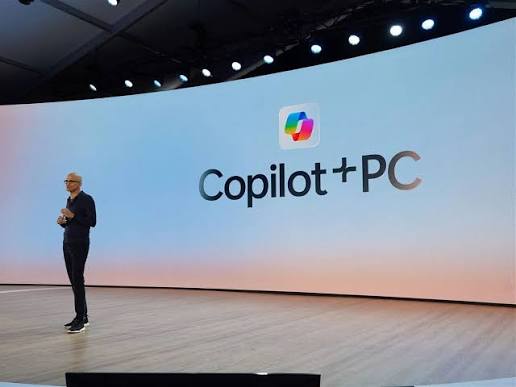
That lineup alone makes this worth paying attention to, but the timing is perfect, too. Copilot+ PCs haven’t exactly transformed Windows overnight, and features like Recall have drawn plenty of privacy criticism along the way.
Microsoft now appears ready to pivot the conversation toward agentic AI instead, AI that doesn’t just respond when prompted but can actually carry out tasks on your behalf.
Microsoft may tell us more about its monster AI laptop at the event
Microsoft may also tie up some loose ends on the hardware side at this event. Back in June, Microsoft unveiled the Surface Laptop Ultra as one of the first PCs built around Nvidia’s RTX Spark platform, but two important details were left out: release timing and price.
You may also like: Windows 11 Media Player Update: Slower and Memory Heavy
The machine itself clearly aims high, featuring a 15-inch mini-LED display capable of 2,000 nits, a generously sized trackpad, and a good selection of ports. Under the hood, RTX Spark combines 6,144 Blackwell GPU cores with 20 Arm CPU cores, supporting up to 128GB of unified memory while drawing up to 80 watts.
That massive memory pool matters specifically for running larger AI models directly on the device rather than constantly offloading work to the cloud. Naturally, hardware built for that kind of workload rarely comes cheap, so pricing will be one of the most important details to watch for when October 7 arrives.
What Windows does with all that AI
Hardware might only be half of Microsoft’s plan here. The company has already experimented with agents across multiple products.
Project Solara demonstrated how an AI assistant could operate across different devices, while Office Agent and the agent built into Windows Settings offer smaller-scale examples of AI actually taking action rather than just answering questions.
You may also like: Microsoft Edge Collections Shutdown: What You Need to Know
Microsoft has also been reshaping Copilot around more automated workflows lately, which makes this October event particularly worth watching. The logical next step would be giving Windows an AI layer capable of handling multi-step tasks across apps, files, and possibly online services, with far less manual guidance required from users.
That naturally raises an important question: how much access should an AI agent actually have to your computer? An assistant capable of working across your files, apps, and browsing activity could prove genuinely useful, but it would also need clear, well-defined privacy boundaries.
That balance between usefulness and trust may end up mattering more than any flashy demo Microsoft shows onstage. We should get a clearer picture of how Microsoft plans to handle both questions on October 7.