
Meta is working on a camera-free version of its smart glasses, according to recent reports. The move comes at an interesting time, since the company’s own CTO just defended the camera-equipped models in public.
Andrew Bosworth, who leads Reality Labs and serves as Meta’s CTO, took questions during an Instagram AMA session. He pushed back on the idea that the glasses pose a widespread privacy problem.
In his view, only a small group of users cause the trouble that gets all the attention. He pointed out that smartphones already let people record others just as easily, and he noted the glasses come with a recording light and features meant to stop people from disabling it.

That defense hasn’t settled anything, though. People keep finding workarounds for those safeguards, and privacy advocates keep raising red flags.
So while Bosworth frames this as a non-issue caused by a few bad actors, the reports of bypass methods tell a different story. The question of whether camera glasses can earn public trust is still wide open.
Meta’s Camera-Free Luna Glasses And Privacy Concerns
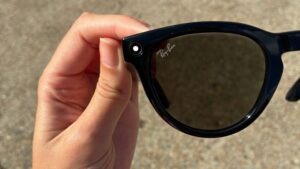
The recording light is Meta’s main answer to the privacy question. It’s supposed to flash whenever someone’s glasses are filming, giving bystanders a heads-up. Meta didn’t stop there either. The company built in extra protections to stop people from recording after covering or messing with that light.
You may also like: Nothing Smart Glasses 2027: What We Know So Far
The Next Web dug into this and found that Meta had closed off one workaround: people were starting a recording, then covering the light afterward so it wouldn’t show. A software patch shut that down. Meta also went further on some units, cutting off camera access entirely on glasses where someone had physically pried the indicator light off.
Meta claims this kind of enforcement only touched a tiny slice of buyers, less than 0.1 percent of everyone who owns the glasses. But here’s the catch The Next Web found: a cheap sticker, about two dollars, could still cover the light and beat the whole system. That’s a pretty low bar for defeating a safety feature, and it makes you wonder if a blinking light was ever going to be enough protection in the first place.
You may also like: Ray-Ban Meta Glasses (Gen 3) Review: First Impressions
And the problem isn’t just about people gaming the system. Think about how a phone works when someone’s filming you. You can usually tell they’re holding it up, pointing it at you; it’s obvious.
Glasses don’t work that way. Someone can be recording you standing right in front of you, and you’d have no real way of knowing, since nothing about how they’re acting changes.
Camera-free Luna could change Meta’s approach
Word is spreading that Meta has a new pair of glasses in the works, and this one skips the camera entirely. The project reportedly goes by the codename Luna, and insiders at The Information say it packs six microphones instead. Meta may show it off at Connect on September 23, with the glasses possibly hitting shelves as soon as October.
Dropping the camera solves the exact problem everyone’s been talking about. If there’s no lens, nobody has to worry about getting filmed without knowing it. But that trade-off cuts both ways. The camera is basically the headline feature of Meta’s current glasses lineup, so losing it means losing what made these products stand out in the first place.
You may also like: Meta’s New AI Smart Glasses Are Finally Built for Prescription Wearers
Swap a camera for six microphones, though, and you just traded one privacy headache for another. Sure, people won’t worry about being filmed anymore. But now they might start wondering if the glasses are picking up their conversations, and there’s no clear way to know when that’s happening.
A camera at least has that blinking light people recognize by now. Microphones don’t have anything close to that. Nobody’s agreed on what a “this device is listening” signal should even look like yet.
Europe isn’t waiting around on this either. Regulators in France, Norway, and Germany are already digging into how camera-based wearables handle people’s privacy.
On top of that, the European Data Protection Board is putting together its own report covering the whole product category.
All of this means Connect could end up being a bigger deal than usual this year. If Meta actually reveals Luna there, people will be watching for specifics: how the microphones can be turned off or controlled, what kind of privacy signals the device gives off, and what Meta thinks people will actually use it for.