
Google has come out and confirmed that the Pixel 11 lineup is going to cost more when it arrives, and the company is pointing the finger at a memory shortage hitting the entire industry.
Shakil Barkat, Google’s VP of Devices and Services, told 9to5Google that memory prices have jumped to levels nobody in the industry has dealt with before. He backed that up with numbers from Morgan Stanley, showing that a single gigabyte of RAM cost $2.80 back in 2025 and now costs $12.
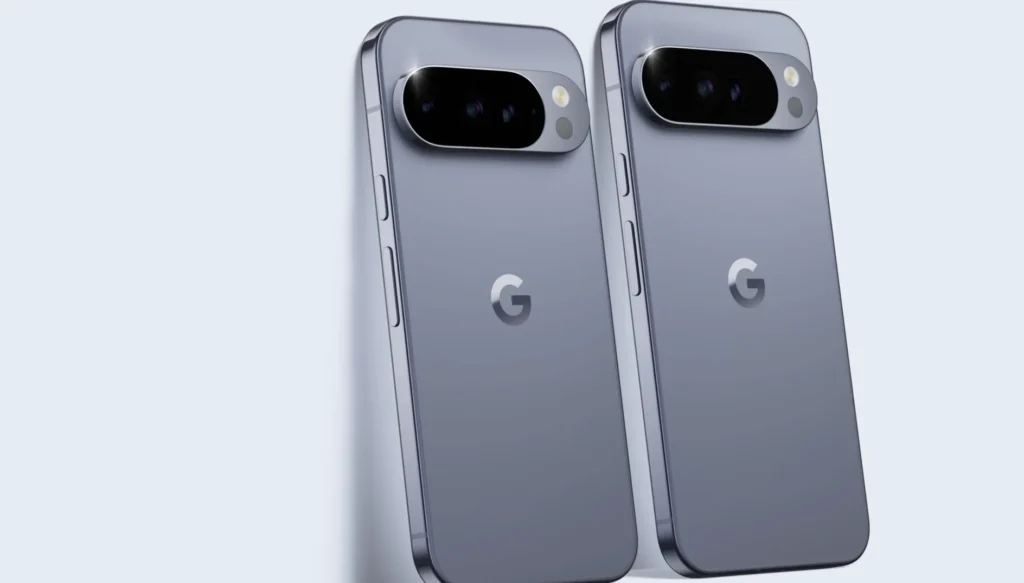
Google says it’s been eating the extra costs for as long as it could, but that’s no longer sustainable. Buyers are going to feel it now, with price changes coming across the whole Pixel range, the Pixel 11 series included. We’ll find out the actual numbers at Google’s event on August 12.
Google Pixel 11 Pricing
Earlier leaks pointed to the Pixel 11 and Pixel 11 Pro launching $100 above what their predecessors cost. There’s a silver lining though: both models are rumored to jump from 128GB to 256GB of base storage, which would take some of the sting out of that higher price tag.
You may also like: The Best Google Pixel 10 Deals: Up to 26% Off on Amazon Now
The Pixel 11 Pro XL and Pixel 11 Pro Fold don’t seem to get that same cushion. Leaked pricing suggests a flat $100 bump with nothing extra thrown in to balance it out.
On top of that, the base Pixel 11 Pro might drop from 16GB of RAM down to 12GB, apparently Google’s way of clawing back some cost on components. And it’s not just the new lineup either. Existing Pixel phones could see price hikes too, though Google hasn’t said yet which specific models that would hit.
Android Should Do More RAM
There might actually be a small upside buried in all this. Google has kicked off a dedicated push to make Android and the apps built for it need less RAM overall.
You may also like: Google Pixel 10 Pro Drops to $684 for Prime Day, Lowest Price Yet
Apple has always had an advantage here, since it controls both the hardware and software on iPhones, letting them run smoothly on less memory than most Android phones need.
Android doesn’t have that luxury. It has to work across a huge range of devices, chips and manufacturer software layers, which makes this kind of streamlining a much harder problem to solve.
Google’s bet is that its grip on Android itself, plus its Tensor chips and on-device AI, can help everything load and run more efficiently.
If that works out, future Pixel phones could offer the same experience while asking for less memory. What’s still unclear is whether any of that trickles down to phones running Samsung’s One UI, Oppo’s ColorOS, Xiaomi’s HyperOS, or the dozens of other Android skins out there.