
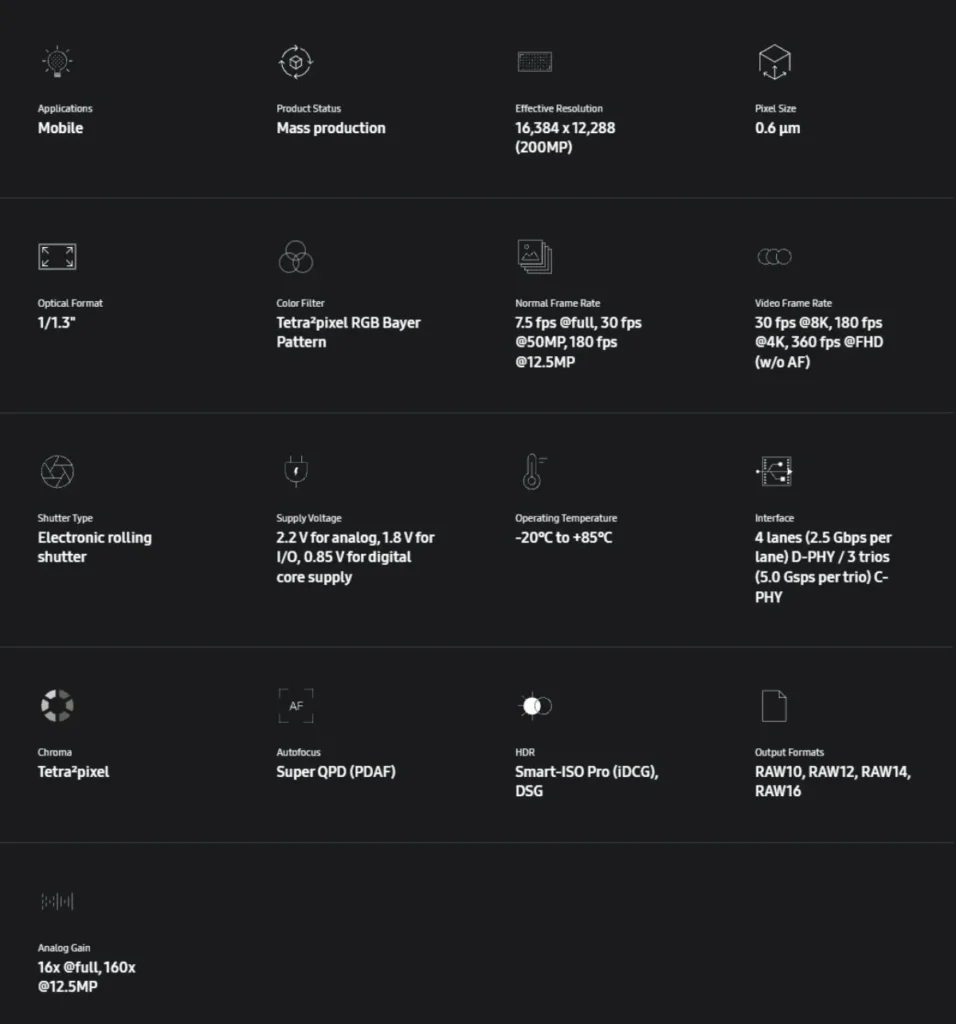
Samsung’s latest mobile camera sensor takes on a problem that’s dogged high-resolution phone cameras for years. Cramming more megapixels onto a sensor that stays roughly the same physical size usually means each pixel has to shrink, and smaller pixels capture less light.
The ISOCELL HPC, the newest addition to Samsung’s 200MP sensor lineup, tackles this with a redesigned pixel structure called DeepPix.
Samsung claims the new design lets each pixel hold 60 percent more light than the previous generation, which translates to brighter highlights, better shadow detail, and noticeably less grain in HDR photos.
How Does DeepPix Work?
Every pixel has a limit on how much light it can hold before an image starts looking noisy, something called full well capacity.
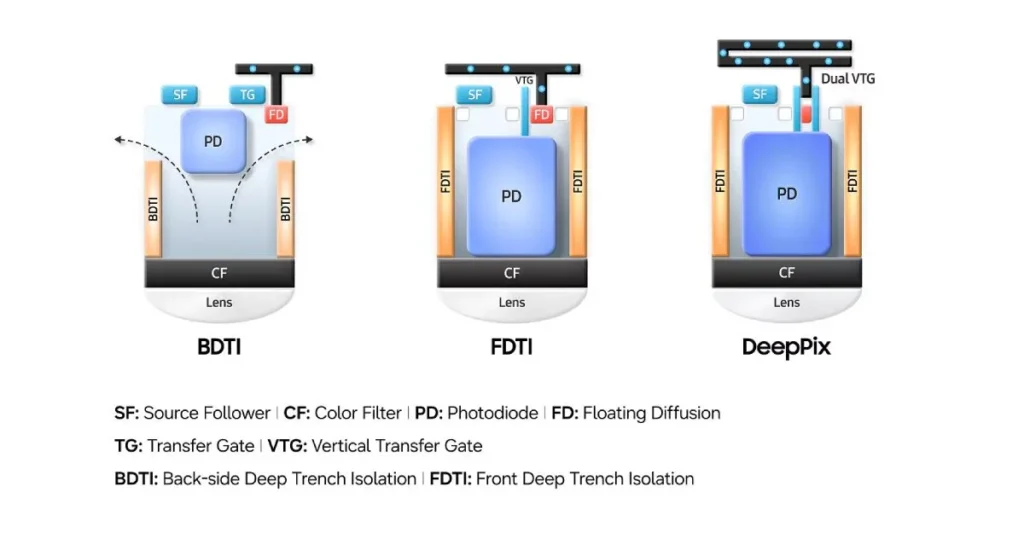
DeepPix is designed to push that limit higher. It builds on Samsung’s existing Front Deep Trench Isolation process, and according to Samsung, the new pixel structure achieves this by expanding both the photodiode and the shared floating diffusion inside each pixel.
You may also like: Galaxy S27 May Ditch ISOCELL for New Sony Camera Sensor
Two more technologies work alongside that to help with light collection. A redesigned microlens layer uses high refractive-index materials to funnel more light onto each photodiode, and a new anti-reflective coating reduces scattering before light even reaches the sensor.
Consistent HDR through the zoom range
Most phone sensors only apply HDR processing at a few fixed zoom levels, which means image quality tends to drop once you crop past that range.
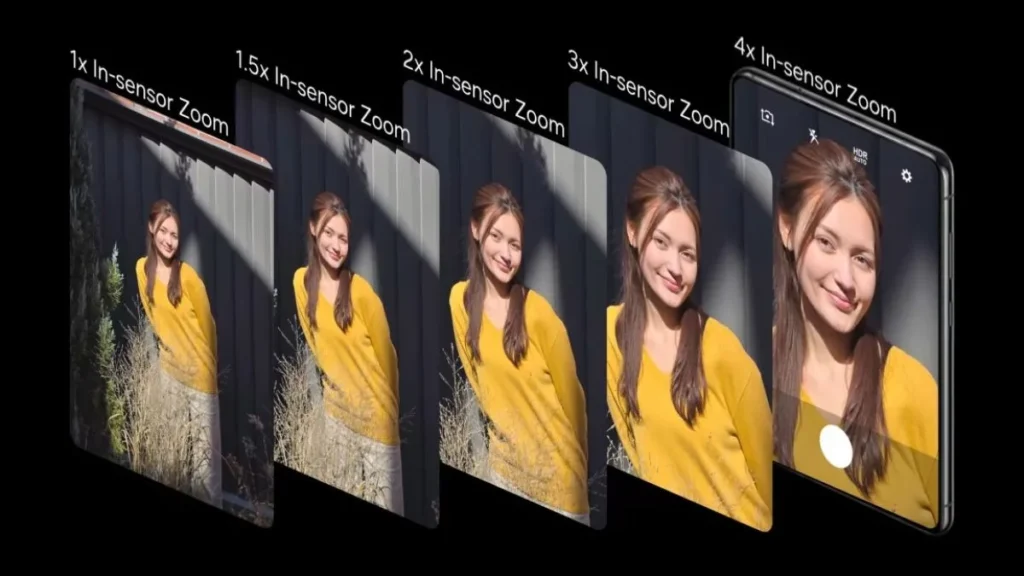
Samsung says the ISOCELL HPC extends single-frame HDR across five in-sensor zoom steps, covering everything from 1x to 4x, with the goal of keeping cropped shots closer in quality to what you’d get shooting at the main zoom level.
This kind of in-sensor zoom coverage has become a bigger focus across the industry lately, and Sony introduced something similar on its own 200MP sensor last year.
You may also like: Motorola Edge 70 Pro+ Coming with Periscope Camera
Video recording gets a boost as well, with 4K capture reaching up to 180 frames per second. That top speed comes with a catch, though; it only works with partial autofocus coverage. Turn on full-pixel autofocus and the cap drops back down to 120fps.
Samsung hasn’t confirmed which phones will actually use the ISOCELL HPC, and there’s no launch date yet either. Based on how quickly past ISOCELL sensors have made it into flagship phones, though, there’s a real chance this one shows up in the Galaxy S27 Ultra early next year.