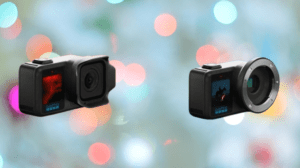

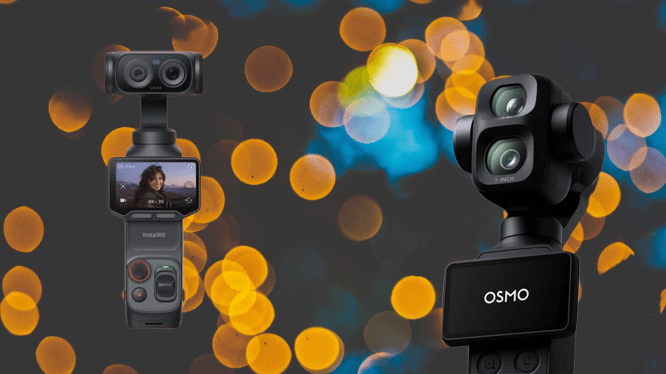
DJI and Insta360 just dropped their newest gimbal cameras, and choosing between them won’t be easy. Both the Osmo Pocket 4P and the Luna Ultra pack dual cameras, which makes the decision even trickier.
We haven’t gotten our hands on either one yet for a full review, but we’ve gone through the specs side by side. Here’s what stands out and what you should weigh before choosing one over the other.
DJI Osmo Pocket 4P vs Insta360 Luna Ultra: Price and Availability
Right now, details on the Osmo Pocket 4P’s global release and pricing are still up in the air. China gets it first, on June 23rd, with a price tag around ¥3799. Whether it lands anywhere else is still unknown. We’ll update this comparison as soon as DJI shares more.
You may also like: DJI Osmo Pocket 4: 1-Inch Sensor, 4K 240fps, and More
The Luna Ultra, on the other hand, is already on sale. The Standard bundle starts at $769.99. Just like the Osmo Pocket 4, Insta360 offers a few different bundle options, each with its own mix of accessories.
DJI Osmo Pocket 4P vs Insta360 Luna Ultra Lenses
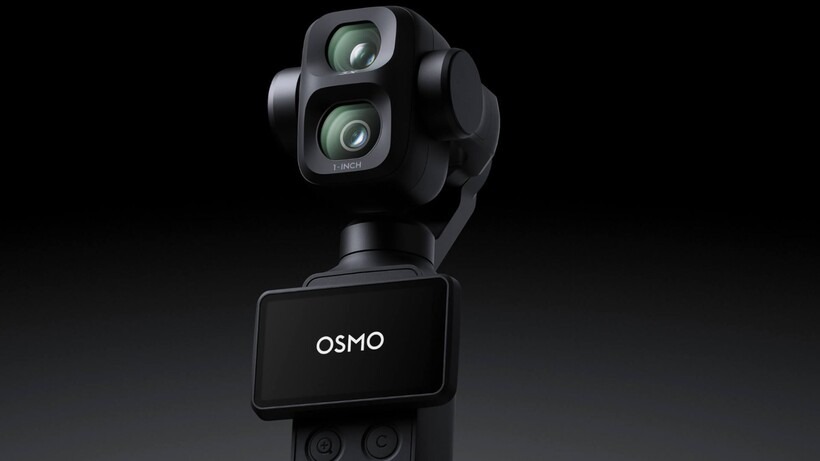
Let’s start with what these two cameras actually have in common, and it’s probably the main reason you would pick either one over the standard Pocket 4 or the Go Ultra. Both the Osmo Pocket 4P and Luna Ultra come with two lenses, which are a main camera and a telephoto.
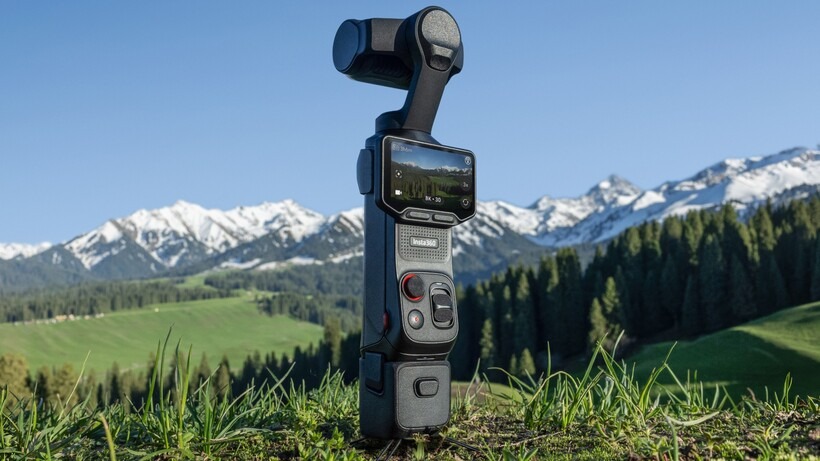
That said, the specs aren’t identical. The Luna Ultra’s telephoto lens sits at f2.0, while the Pocket 4P’s telephoto is slightly faster at f1.8.
Osmo Pocket 4P’s Lens
Now let’s get into how the cameras actually perform, because dual lenses don’t tell the whole story.
DJI says the Pocket 4P’s one-inch CMOS sensor handles 17 stops of dynamic range. That’s a big number, and DJI is also calling it the first camera in this category with a 10-bit D-Log 2 color mode built in, meant to give editors more room to work with in post-production.
You may also like: Insta360 Mic Pro Review: Best Noise Cancellation Yet?
The Luna Ultra sits lower at 14 stops, the same number you get on the regular Pocket 4. On paper, that gap matters. More stops of dynamic range usually mean a camera can hold detail in both bright skies and dark shadows without losing one or the other.
So the Pocket 4P should, in theory, cope better in tricky lighting like backlit scenes or dim rooms.
We haven’t tested either camera yet, so take this as what the spec sheets say rather than what we’ve confirmed ourselves.
Insta360 Luna Ultra 8K Recording
A lower dynamic range number doesn’t mean the Luna Ultra is short on camera power. Its one-inch Leica lens shoots up to 8K, and Insta360 says footage stays sharp and true to color even after you crop in or blow it up for editing.
You may also like: DJI Avata 360 Camera Drone Review: The Best 360 Drone You Can Buy
One thing to keep in mind, though: 8K recording tops out at 30fps. If you want smoother footage at up to 120fps, you will need to drop down to 4K. For most people, 4K already looks great, so this trade-off probably won’t bother you much.
Osmo Pocket 4P and 4K 240fps Slow Motion Capturing
Slow motion is where the Pocket 4 series really stands out. Both the Pocket 4P and the regular Pocket 4 can shoot 4K at 240fps. We haven’t put the Pocket 4P through testing yet, but we have reviewed the Pocket 4, and the slow-motion footage came out stable, smooth, and rich in color.
We didn’t feel the need to touch up the shots afterward either, which is a good sign for how the Pocket 4P will likely perform, too.
You may also like: Canon RF 14mm F1.4L VCM and RF 7-14mm Fisheye Hands-On Review
The Luna Ultra falls behind here. Its slow-motion mode caps out at 1080p and 240fps, a noticeable step down in resolution. We will need to test it ourselves before judging how much that actually affects the footage in practice.
DJI Osmo Pocket 4P vs Insta360 Luna Ultra Verdict
Picking a clear winner between the DJI Osmo Pocket 4P and Insta360 Luna Ultra isn’t easy right now. We haven’t reviewed either camera, and DJI hasn’t confirmed pricing or release details for the Pocket 4P yet.
Still, the specs give the Pocket 4P an edge in a few areas. It supports 4K slow motion at 240fps and claims up to 17 stops of dynamic range, both ahead of the Luna Ultra’s 1080p 240fps slow-mo and 14 stops.
But the Luna Ultra has its own advantage. It can shoot up to 8K, while the Pocket 4P tops out at 4K. So the choice really comes down to what matters more to you: smoother slow motion and wider dynamic range, or higher resolution footage.