
The Xiaomi 17 is built for people who want a full-featured flagship without carrying something that feels like a small tablet. Xiaomi is clearly targeting iPhone 17 and Galaxy S26 buyers with this one.
The Xiaomi 17 looks simpler than the iPhone 17 and Galaxy S26 on the surface. The size and shape stay close to last year’s model, and the camera setup comes with a little change. If you were hoping for a dramatic redesign, this isn’t it.
What changed is that under the hood and on the spec sheet, is that you get the newest Snapdragon processor, a screen that gets noticeably brighter, a larger battery, and faster charging speeds. Those are the four areas Xiaomi chose to invest in this generation.
The question is whether those upgrades are enough to pull buyers away from Apple and Samsung. I spent a couple of weeks using it every day to find out.
Xiaomi 17 Specs
| Xiaomi 17 Review | |
|---|---|
| Battery | 6300 mAh |
| Chipset | Snapdragon 8 Elite Gen 5 |
| Colours | Black, Venture Green, Alpine Pink, Ice Blue, White |
| Fast Charging | Yes |
| First Reviewed Date | 28/02/2026 |
| Front Camera | 50MP |
| HDR | Yes |
| IP rating | IP68 |
| Manufacturer | Xiaomi |
| Operating System | HyperOS 3 (Android 16) |
| Ports | USB-C |
| RAM | 12GB, 16GB |
| Rear Camera | 50MP + 50MP + 50MP |
| Refresh Rate | 120 Hz |
| Release Date | 2026 |
| Resolution | 1220 x 2656 |
| Screen Size | 6.3 inches |
| Size (Dimensions) | 71.8 x 8.1 x 151.1 MM |
| Stated Power | 100 W |
| Storage Capacity | 256GB, 512GB, 1TB |
| Video Recording | Yes |
| Weight | 191 G |
| Wireless charging | Yes |
Xiaomi 17 Design
The Xiaomi 17 keeps the same compact design as its predecessor, and that works in its favor. Small flagship phones are hard to find. If you want premium specs without the bulk, your choices are few, and this phone sits near the top of that short list.
The smaller size doesn’t mean you’re giving something up. The screen gives you enough room to work with, and the phone has some weight to it, which makes it feel good in your hand rather than cheap or flimsy.
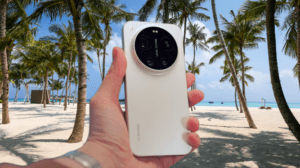
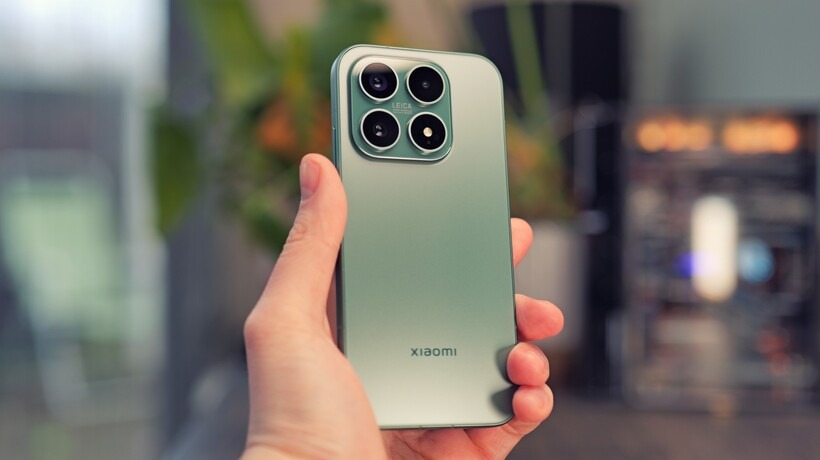
The biggest visual change in this generation is the camera area. Xiaomi dropped the rectangular black island and replaced it with a raised circular platform, similar to what Apple uses on the iPhone 17. The difference is that Xiaomi fits one more lens into that space than the iPhone does.
You may also like: Xiaomi Redmi Note 15 Pro Plus 5G Review: Strong Battery and Sharp Display
The back has a frosted matte finish, while the camera surround and Xiaomi logo are glossy. That combination mirrors the look Apple has been using recently. My review unit came in a new green color option introduced for the global market. If green isn’t your thing, it also comes in Blue and Black.
The shape of Xiaomi 17 will feel immediately familiar if you’ve usedan iPhone because it has a flat front, flat back, and flat rails. That’s not a criticism, it’s a clean, comfortable form factor, and it works just as well here.
There are a few differences worth noting, though. Xiaomi keeps the button layout simple, just a power button and a volume rocker, with no extra programmable buttons added to the mix.
You also get more in the box than Apple gives you. Xiaomi includes a hard clear case and a pre-applied screen protector, two things Apple leaves out entirely. They are small additions, but useful ones.
The Xiaomi 17 carries an IP68 rating, so dust isn’t a concern, and the phone can handle being submerged in fresh water for a short period.
It doesn’t have the IP69K rating that the Ultra model gets, but that higher rating mainly covers resistance to high-pressure hot water jets. The difference between the two ratings is unlikely to matter for everyday use.
Xiaomi 17 Display
The Xiaomi 17 uses a 6.3-inch flat OLED panel with a 120Hz refresh rate and a peak brightness of 3500 nits. That’s about 300 nits higher than the previous model. The PWM dimming frequency also moved up from 1920Hz to 2160Hz.
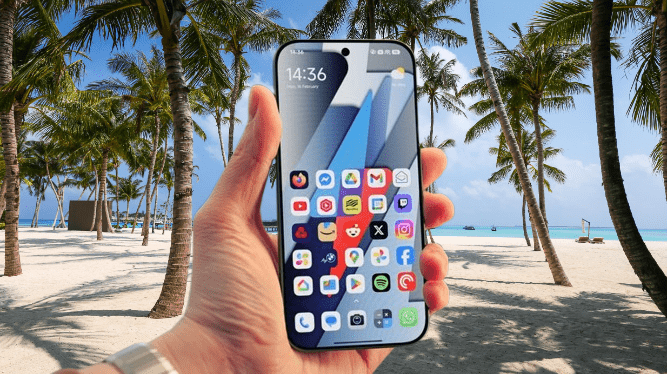
The brightness increase is the most noticeable improvement day to day. It won’t feel like a massive leap if you’re coming from last year’s model, but reading the screen in direct sunlight is easier, and that counts for something.
The size is what makes this display stand out. At 6.3 inches, it’s on the smaller end for a flagship phone. If you have smaller hands, reaching the top of the screen is far less awkward than on larger phones.
The bezels are slim and even on all sides, and the punch-hole cutout for the front camera is small enough that it doesn’t draw attention. The screen feels complete, not like something was squeezed into too little space.
Colors look accurate and punchy, and the blacks are deep, as you’d expect from a modern OLED screen. The display holds up well across different uses, from gaming to streaming video.
You may also like: OnePlus 15R Review: Built for Battery Life, Durability, and Everyday Work
The default color settings work well out of the box, so most people won’t feel the need to change anything. But if you prefer to fine-tune the display output, Xiaomi gives you enough settings to do that.
Xiaomi 17 Cameras
The Xiaomi 17 has three 50MP cameras on the back. The lineup covers a 17mm ultrawide, a 23mm main camera, and a 60mm telephoto. The specs still come with last year’s camera model, and so there are limitations.
The biggest letdown is the ultrawide camera. It has a fixed focus, which works fine for wide shots of buildings or open landscapes, but rules it out for anything close-up. Group shots at arm’s length and close-up detail photos are off the table with that lens.
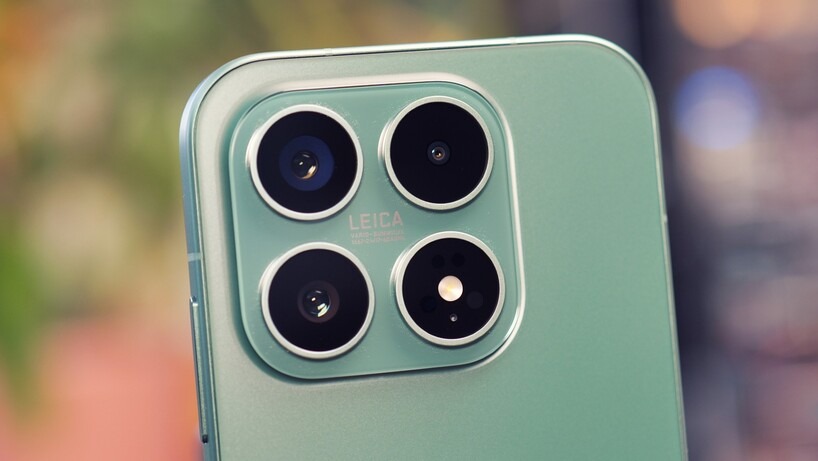
The telephoto picks up the slack for macro work. It can focus as close as 10cm, which is close enough for detailed shots of small subjects. That’s actually the better lens for macro photography anyway, so the tradeoff ends up being acceptable in practice.
The only camera that got a genuine upgrade is the front-facing one. It jumps from 32MP to 50MP and gains autofocus, replacing the fixed-focus setup from the previous model. The improvement in selfie quality can be easily spotted as photos come out sharper and with noticeably more detail.
The image processing continues to impress me. Xiaomi has tightened things up compared to previous versions, and it now sits among the better software experiences on any Android phone. Colors look true to life without feeling flat, and if you want a different look, there are plenty of filters to choose from.
You may also like: OnePlus Pad Go 2 review: Better than all mid-range tablets
This camera system isn’t on the same level as the Ultra model, but the resemblance is clear. The main gaps are sensor size and telephoto reach.
Smaller sensors mean the Xiaomi 17 gives up some ground in low light, and the 60mm telephoto doesn’t reach as far as what the Ultra can reach. Those are real limitations, but expected at this price tag.
At long distances, the standard Xiaomi 17 falls short of what the Ultra can do. The results aren’t terrible, but image quality drops off noticeably once you push past around 15x zoom, and that’s a clear gap between the two models.
Where the base model actually pulls ahead is macro photography. It can focus at a much closer distance than the Ultra, which lets you capture fine details that the bigger sibling simply can’t get to. If you shoot a lot of close-up subjects, the base model has a genuine advantage there.
The camera system doesn’t bring anything new to the table, but the output quality is among the best you’ll find on a compact flagship. Portrait mode is well-executed, and the filters give you enough variety to keep things interesting. The results hold up well in most conditions.
The video quality is good, too. You can shoot Log footage at 4K60 across all three rear cameras with full manual controls, which is a serious option for anyone who edits their footage. If you need more resolution, 8K recording is available as well.
Xiaomi 17 Performance
The Xiaomi 17 runs on Qualcomm’s Snapdragon 8 Elite Gen 5, the most capable chip Qualcomm has produced. The global version comes with 12GB of RAM and 512GB of storage as standard.
The Xiaomi 17’s performance reflects those specs as it can handle heavy multitasking, video editing, and demanding games; the phone handles all of it without breaking a sweat. There’s no scenario in normal use where you’ll feel the hardware holding you back.
Thermal management on the Xiaomi 17 is good. It runs Genshin Impact at max settings for 30 minutes, and the phone stayed barely warm. That’s a good sign for anyone who plays mobile games regularly.
You may also like: Nothing Phone 4a and 4a Pro Specs and Pricing Leak Ahead of March 5 Launch
It does generate heat under specific conditions, though. The phone got quite hot during a dedicated AI benchmark test. But that kind of synthetic load doesn’t reflect real-world use, and in day-to-day situations, the temperature stays comfortable throughout.
The speakers won’t win any awards for maximum volume, and some rivals match it on clarity and detail. But the Xiaomi 17 does something most compact phones struggle with: it produces actual bass. The low-end has weight to it without sounding muddy or blown out. For a phone this size, that’s worth noting.
Xiaomi 17 Software and AI
The Xiaomi 17 runs HyperOS 3, Xiaomi’s own software layer built on top of Android 16. If you’ve used a Xiaomi phone in the past couple of years, the general experience will feel familiar. This version adds some visual modifications and a broader set of AI features.
The iOS influence is more visible than ever. There’s a Dynamic Island-style notification indicator, lock screen widgets with depth effects, and a quick settings panel that looks close to what Apple uses. Some Android purists may have an issue with that direction, but the execution is clean, and the interface feels polished.
You may also like: Samsung Galaxy A57 Design Leaked: Thinner Profile, Better Specs Than Galaxy A56
The standout quality of HyperOS has always been how much you can change. Themes, animations, layouts, and settings menus; almost every visual element is adjustable. If the default look isn’t up to your taste, you have enough options to make it feel like a completely different phone.
One area that needs attention is the battery management. Xiaomi’s power-saving settings are aggressive by default, which can delay notifications from certain apps. You’ll need to go into the background activity settings for each app and adjust them manually to keep things running on time.
On the AI side, there’s a broad set of tools available. For photos, you get object removal, outpainting, upscaling, and beautification options, among others.
For day-to-day productivity, the phone covers transcription, translation, and writing assistance. The feature list is long, and most of it works well enough to be genuinely useful rather than just a selling point on a spec sheet.
Google’s standard features are all present. Gemini handles assistant duties by default, and Circle to Search lets you pull up information about anything on your screen without switching apps.
Xiaomi 17 Battery Life
Surprisingly, the base Xiaomi 17 beats the Ultra in two battery categories. It carries a larger 6300mAh cell compared to the Ultra’s 6000mAh, and it charges faster, topping out at 100W versus the Ultra’s 90W. That’s an unusual situation where the cheaper model has the edge.
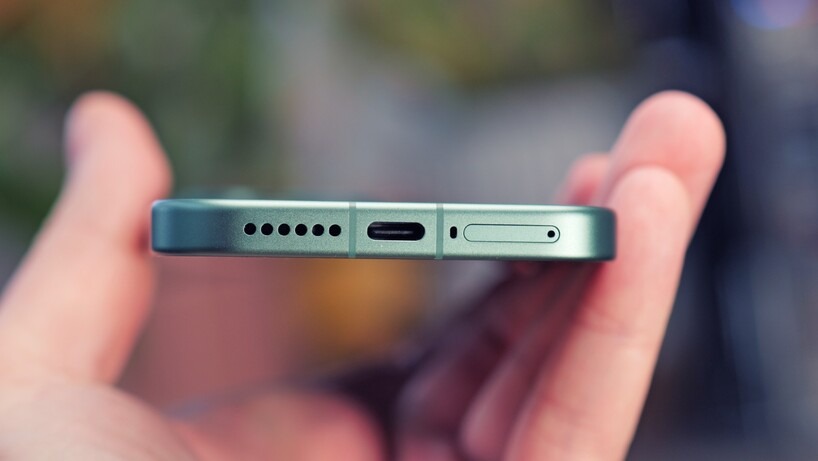
In daily use, battery life is comfortable. With typical usage patterns, the phone consistently reached the end of the day with more than 40% left. Two full days is a stretch, but if you’re moderate with screen time and connectivity, it’s within range.
The box doesn’t include a charger, just a USB cable. You’ll need to pick up a fast wall adapter separately to take full advantage of the 100W charging speed.
The good news is that the phone charges quickly with third-party Power Delivery chargers, so you don’t need to buy a Xiaomi-branded one specifically.
You may also like: iPhone 18 Release Date, Price, Specs, and Features: Everything We Know So Far
If you are using a Ugreen Nexode 200W desktop charger, the phone went from zero to nearly 65% in 30 minutes. Given the size of the 6300mAh battery, that’s a fast result.
Wireless charging is supported at up to 50W, which is quick for a wireless standard. To hit that speed, though, you’ll need a Xiaomi wireless charging pad. Third-party pads will work, but at lower speeds.
Xiaomi 17 Verdict
The Xiaomi 17 won’t turn heads with a long list of new features, but it does what matters. It stays competitive where it counts, and it holds its position as one of the better compact flagships you can buy right now. If a smaller phone with full flagship specs is what you’re after, this is the one to get.
Pros |
Cons |
| Compact size | Not a massive upgrade over the previous model |
| Super powerful | Software support terms don’t match the competition |
| Solid cameras and great battery life | No charger in the box |
Final Thoughts
The Xiaomi 17 isn’t a dramatic step forward from the Xiaomi 15, and current owners won’t find enough here to justify the switch. But as a standalone flagship, it’s a good option, particularly if you want a compact phone that doesn’t cut corners on specs.
You may also like: Xiaomi 17 Ultra Review: Best Camera Phone of 2026
Compared to the iPhone 17 and Galaxy S26, it brings a larger battery, faster charging, and, in my view, a more capable camera system.
Software comes down to personal taste, but HyperOS gives you more control over the experience than most Android skins, so if something doesn’t suit you, there’s a good chance you can change it.
Where Xiaomi falls short is in software support. Apple and Samsung both commit to longer update windows, and if you plan to keep your phone for four or five years, that gap is worth factoring in before you buy.
That aside, the Xiaomi 17 delivered across the board during my time with it. Gaming, watching content, and photography all held up well throughout the review period. If you’re in the market for a compact flagship in 2026, this phone earns a clear recommendation.