
A new lens technology could put thermal cameras in smartphones and cars at much lower prices than current options allow.
Scientists at Flinders University in Australia developed a new infrared lens using cheap, widely available materials, according to TechXplore. These lenses could bring optics that currently only exist in specialist equipment into consumer products.
Thermal cameras detect infrared light emitted by objects as heat. The security systems, fire detection, industrial inspections, medical devices, and vehicle safety systems all use them regularly.
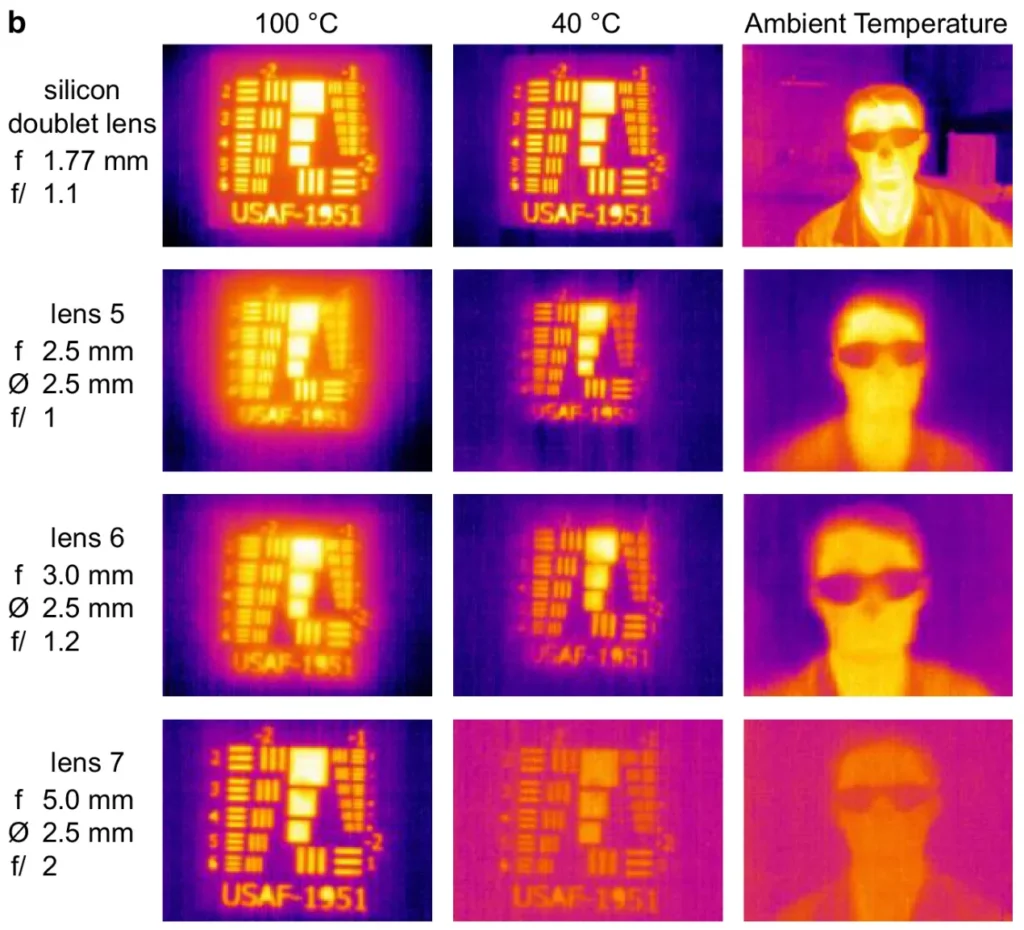
Thermal cameras remain rare in consumer products because the lenses cost too much and manufacturing them is difficult. Most infrared lenses today use germanium or silicon.
You may also like: New Vibrating Microchip Could Make Smartphones Thinner, Faster, and More Efficient
These materials are expensive and hard to work with, and they also break easily. A single lens can run hundreds or thousands of dollars.
This pricing keeps thermal imaging stuck in professional and industrial equipment, where budgets can absorb the cost.
Infrared Lens Technology
The research paper explains that the new lens uses a polymer made from elemental sulfur and a cheap organic compound.
Sulfur is easy to find because petroleum refining produces it in large quantities as a byproduct. The polymer can be shaped using the same molding techniques that work for plastics.
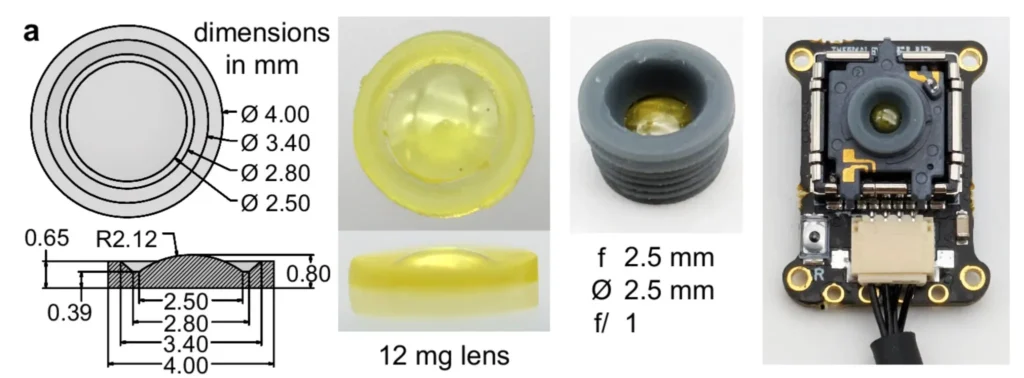
The raw material for one lens costs less than one cent. Production is fast, and damaged lenses can be repaired instead of thrown away.
You can also recycle them when they reach the end of their useful life. Traditional infrared lenses get discarded once they crack or degrade, which adds to waste and replacement costs.
You may also like: Chinese Researchers Build $5 Sodium-Sulfur Battery That Rivals Lithium Performance
This technology could bring thermal imaging into everyday devices. Cars could use these lenses for better driver assistance and night vision. Smartphones could add heat-sensing for safety checks, diagnostics, or energy monitoring.
The researchers are working with NASA to test how the lens performs in planetary science and advanced imaging applications.
If the technology reaches consumer products, thermal cameras could become as common as regular cameras in phones and cars.
You may also like: Negative Luminescence: The Unhackable Data Transmission
Smartphone camera technology is advancing in other areas as well. Researchers are testing new lens designs that could expand what phones can see and detect beyond current capabilities.