
A research team in China unveiled a new sodium-sulfur battery design that could completely reshape the economics of energy storage. Instead of fighting against sulfur’s problematic chemistry, they embraced it and built a cell that costs very little to produce while delivering exceptional energy density.
The design is currently in the lab for testing and uses extremely inexpensive materials, such as sulfur, sodium, aluminum, and a chlorine-based electrolyte. None of these materials is rare or expensive.
Early test results show the battery is reaching energy densities above 2,000 watt-hours per kilogram. That number crushes current sodium-ion batteries and rivals the best lithium batteries available today.
To understand why this matters, you need to know the current landscape. Lithium-ion batteries dominate because they store a lot of energy in a small space. But lithium is expensive, and its supply chain is complicated by geopolitical factors.
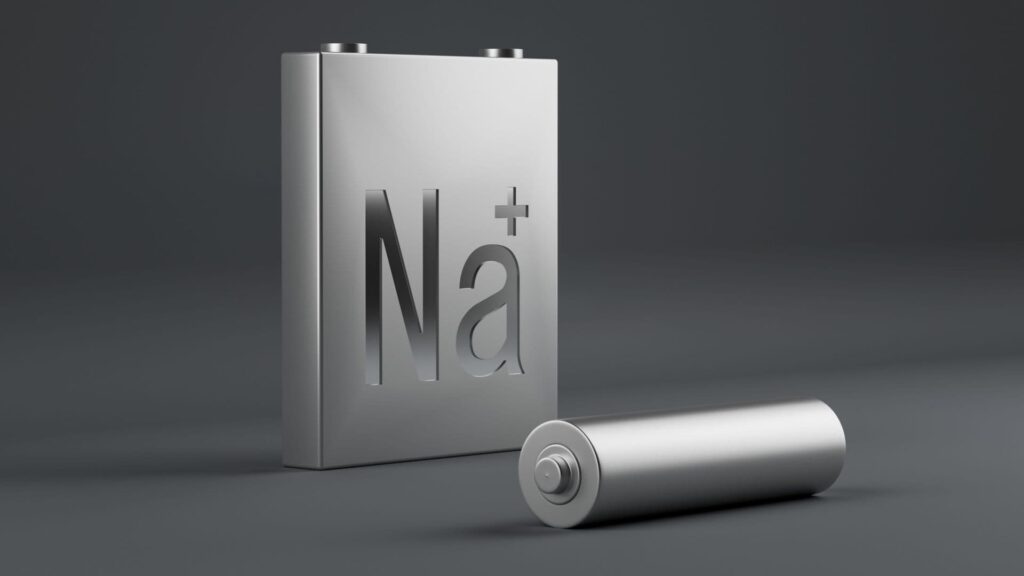
Sodium is abundant and cheap, making sodium-based batteries attractive alternatives. The problem has always been getting sodium batteries to store enough energy to compete with lithium.
Most sodium-ion batteries store significantly less energy than lithium-ion batteries. They work for stationary storage where weight doesn’t matter much, but they struggle in applications like electric vehicles, where every kilogram counts.
This new sodium-sulfur design changes that calculation. If it can maintain these energy density levels while using cheap materials, it solves both affordability and performance problems at once.
You may also like: Elon Musk Says Tesla Optimus Robots Will Go on Sale by End of 2027
Sulfur has always been tricky in batteries. It tends to dissolve and degrade, shortening battery life. The Chinese research team found a way to work with sulfur’s chemistry instead of against it, though the specific details of how they achieved this weren’t fully explained.
The Impressive Sulfur Battery Tech
The problem with standard lithium-sulfur batteries is that sulfur creates messy chemical byproducts that clog the system and destroy battery lifespan. This new approach completely reverses the process.
Instead of forcing sulfur to accept electrons as usual, the researchers designed a system in which sulfur donates electrons.
Here’s how it works. The battery uses pure sulfur as the cathode and a simple piece of aluminum foil as the anode. The key innovation is the electrolyte, which contains aluminum chloride, sodium salts, and chlorine.
When you discharge the battery, sulfur atoms at the cathode release electrons and react with chlorine to form sulfur chlorides. At the same time, sodium ions capture those electrons and deposit themselves onto the aluminum foil.
This specific chemical process avoids the degradation problems that normally kill sulfur batteries. A porous carbon layer contains the reactive materials and keeps them from spreading where they shouldn’t. A glass fiber separator prevents short circuits by keeping the cathode and anode from touching.
The reaction sounds complicated, but the research team proved it runs smoothly and reverses when you recharge the battery. That reversibility is critical because batteries are worthless if they can only be charged once.
Traditional sulfur batteries fail because sulfur compounds dissolve in the electrolyte and migrate throughout the battery, triggering unwanted reactions.
You may also like: New Vibrating Microchip Could Make Smartphones Thinner, Faster, and More Efficient
By changing how sulfur participates in the reaction, this design keeps those problematic compounds from forming in the first place. The sulfur stays put and does its job without creating the mess that ruins other sulfur battery designs.
Durability Stats of the High-Voltage Sodium–Sulfur Battery
The test cells lasted 1,400 charge and discharge cycles before showing significant capacity loss. That’s respectable longevity for lab batteries. Even more impressive is the shelf life.
After sitting unused for over a year, the battery retained 95 percent of its charge. This matters enormously for grid storage projects, where batteries might sit idle for weeks or months between heavy-use periods.
The real game-changer is cost. Based on raw-material prices, researchers estimate this battery could cost about $5 per kilowatt-hour to produce. Let me put that in perspective. That’s less than one-tenth the cost of many current sodium batteries and drastically cheaper than lithium-ion batteries.
If manufacturers can scale this up to mass production, storing renewable energy on the grid becomes incredibly affordable.
Grid storage is critical for renewable energy. Solar panels only generate power during the day. Wind turbines only work when the wind blows.
Cheap, reliable batteries let you store that energy and use it when demand peaks or generation drops. At $5 per kilowatt-hour, these batteries could make renewable energy far more practical and economically viable.
There are catches, of course. The chlorine-rich electrolyte is corrosive and dangerous to handle. Manufacturing facilities would need special safety equipment and procedures. You can’t just build these batteries in existing factories without significant modifications.
Also, these performance numbers come from lab tests measuring only the active materials, not fully packaged commercial cells.
Real batteries need protective casings, safety systems, cooling mechanisms, and connection hardware. All that adds weight and cost. The final commercial product won’t match these lab numbers exactly.
Taking this from research beakers to factory production lines represents a massive engineering challenge. But this research proves an important point.
When standard materials like lithium become too expensive or scarce, creative chemistry with unconventional materials can unlock solutions no one expected.