
Snap’s ambitions in AR glasses are moving from concept to something more concrete. The company just announced an expanded partnership with Qualcomm, locking in a multi-year agreement that will put Qualcomm’s Snapdragon chips inside future versions of Spectacles.
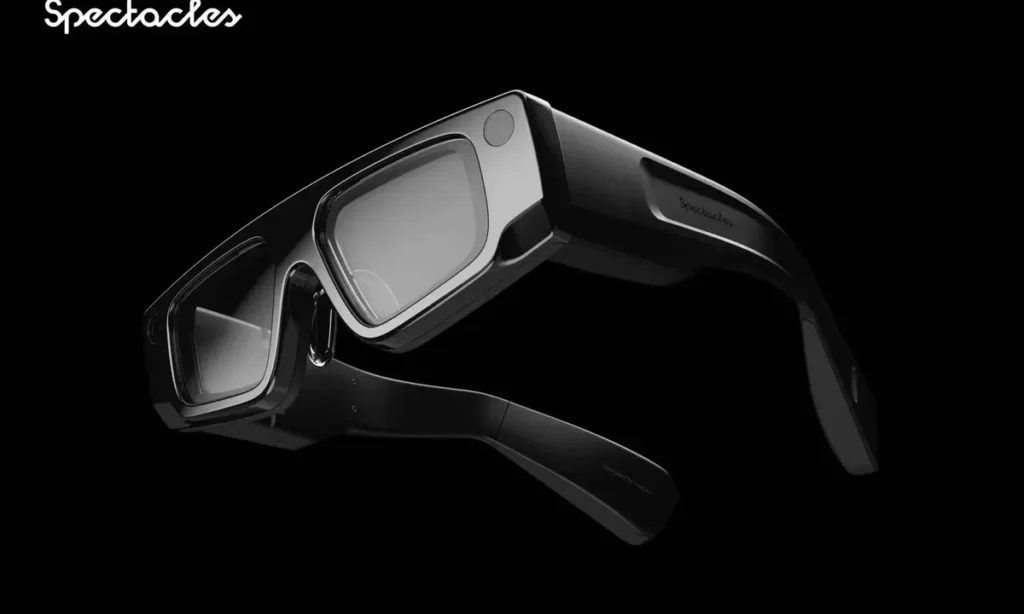
Snap is calling this the first flagship engagement for Specs Inc, the division behind the product. A hardware launch is planned for later this year, which means this isn’t just a roadmap announcement. There’s a real product tied to this deal.
Snap Partners With Qualcomm to Build Next-Gen AR Spectacles
Snap has confirmed that future Spectacles will run on Qualcomm’s Snapdragon XR platforms. According to Snap, the chip foundation handles four things that AR glasses specifically need, which are edge AI processing, on-device computation, advanced graphics rendering, and power efficiency.
You may also like: Nothing Smart Glasses 2027: What We Know So Far
Each of those matters for a different reason. On-device processing means the glasses can handle tasks locally without routing everything through a phone or cloud server. Power efficiency keeps the hardware light and wearable for longer without draining a battery in under an hour.
Graphics performance handles what you actually see through the lenses. Snap’s position is that you need all four working together, and that Snapdragon XR gives them the platform to build that out properly.
Snap wants Spectacles to function as a standalone device you wear throughout the day, not something that only works when tethered to a phone or confined to a controlled demo environment.
Why Does This Collaboration Matter for Snap?
Snap has been working on AR eyewear for years, but this announcement carries more weight than previous ones because it’s attached to a long-term hardware plan rather than a one-off release.
The collaboration with Qualcomm isn’t new either. Snapdragon chips have powered multiple earlier Spectacles generations over a partnership that goes back more than five years.
You may also like: Meta’s New AI Smart Glasses Are Finally Built for Prescription Wearers
The difference this time is the structure. A formal multi-year agreement gives developers and hardware partners a more stable ground to build on. They can plan ahead without worrying that the underlying platform will shift without warning.
On the technical side, Snap says the collaboration will focus on on-device AI, better graphics, and shared AR experiences between multiple users.
Stripped of the technical language, the goal is simple. Snap wants Spectacles to handle AR without feeling sluggish, overheating, killing a battery in an hour, or requiring a phone to do the processing for it.
Snap is still holding back a lot of the details. No hardware specs, no pricing, and no specific launch window beyond a general “later in 2026” timeframe.
You may also like: Samsung Smart Glasses Confirmed: What We Know About the Camera, AI, and Launch Date
What is clear is how Snap wants people to think about Spectacles. The pitch to developers and potential buyers is that this is a long-term computing platform, not a novelty product with a short shelf life.
Qualcomm’s role in that pitch is significant. Having a named chip partner with a multi-year commitment signals that the hardware roadmap has real backing behind it, not just ambition.