
If you want the OnePlus 15 but prefer spending less money for a phone with some downgrades, the OnePlus 15R is supposedly your answer. But in a year when the best OnePlus phones have consistently impressed, this new mid-range model might feel like a disappointing choice.
At $699.99 for the basic model with 256GB storage (add $100 for 512GB), the phone costs only $200 less than its feature-packed sibling despite compromises throughout.
It costs $100 more than the OnePlus 13R did just eight months ago, even though that older budget version of the OnePlus 13 outperforms the new phone in several important areas.
This creates a confusing value proposition. The OnePlus 15R sits awkwardly between the older OnePlus 13R and the current flagship, the OnePlus 15.
The price increase over the 13R feels hard to justify, given that the older phone performs better in certain ways. The small price gap to the OnePlus 15 makes you question why not just spend the extra $200 for the full flagship experience.
OnePlus typically excels at offering compelling value in the mid-range segment. The company built its reputation on delivering flagship-level performance at significantly lower prices. The OnePlus 15R breaks that pattern by offering modest savings while making notable sacrifices.
The $699.99 price point puts it in direct competition with other strong mid-range Android phones from Samsung, Google, and Motorola.
You may also like: Xiaomi Redmi Note 15 Pro Plus 5G Review: Strong Battery and Sharp Display
At this price, buyers expect either excellent all-around performance or standout features that justify the cost. First impressions suggest the OnePlus 15R struggles to deliver convincingly on either front.
The pricing strategy feels particularly questionable given how recently the OnePlus 13R launched and how well it performs for less money.
Pros
- Huge battery
- Top-spec display
- Refined software
- Hardy build and display
Cons
- Should be cheaper
- Cameras are uninspiring
OnePlus 15R specs
| Screen size | 6.83-inch AMOLED |
| Screen resolution | 1272 x 2800 at 450ppi |
| Dimensions | 163.4 x 77 x 8.1 mm |
| Weight | 213g |
| Chipset | Qualcomm Snapdragon 8 Gen 5 |
| RAM | 12GB |
| Storage | 256GB / 512GB |
| Operating system | Android 16 with OxygenOS 16 |
| Rear cameras | 50MP main / 8MP ultrawide |
| Front camera | 32MP |
| Battery | 7,400mAh |
| Colors | Mint Breeze, Charcoal Black |
OnePlus 15R Design
After using the OnePlus 15R for a month, it eventually won me over. This is a good Android phone, even if it won’t become a OnePlus classic. It skips the flashy, headline-grabbing features expected of flagship phones and focuses instead on specs and qualities that actually make a meaningful difference to regular users.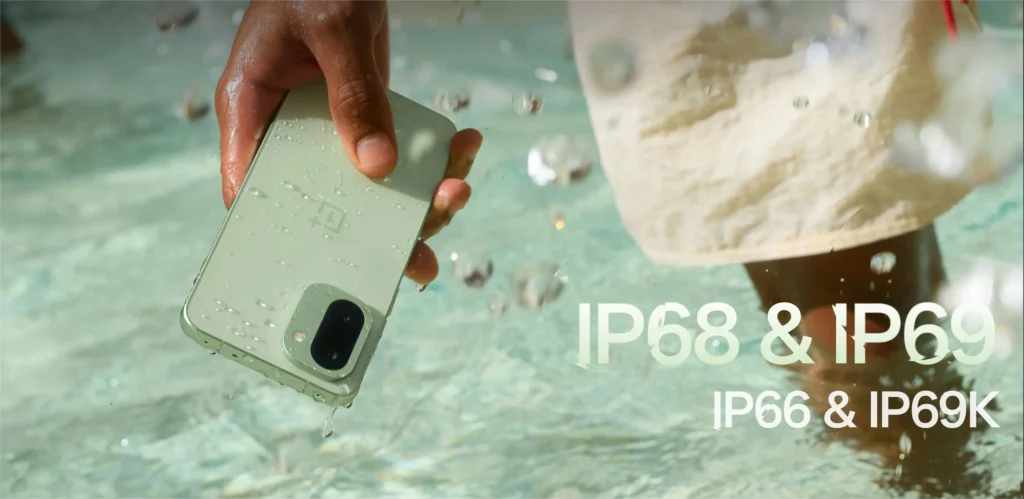 For instance, the OnePlus 15R has the best battery life of any phone I’ve tested, and it’s not even close. The phone is also much more durable than most others I’ve used, with a large, excellent screen.
Instead of stuffing the phone with questionably useful AI software features, OxygenOS tools are thoughtfully designed and genuinely help with navigation or organization.
You may also like: OnePlus Pad Go 2 review: Better than all mid-range tablets
The charging speed and processing power impress, too, though they don’t quite match OnePlus’s flagship phones. The camera array makes it clear that the OnePlus 15R isn’t a premium phone. Several hardware components are missing compared to the brand’s other models.
This would be an incredibly easy Android phone to recommend if it offered better value compared to the older OnePlus 13 series or even its premium siblings. I can’t help feeling it’s about $100 more expensive than it should be. But if you find it discounted during sales, it’s definitely worth considering.
The OnePlus 15R prioritizes the basics that matter daily. Long battery life means you’re not hunting for chargers by afternoon. Durability means you’re less worried about drops and scratches.
A large screen makes everything from reading to gaming more enjoyable. These qualities improve your experience every single day, unlike gimmicky features you use once and forget.
The camera compromise is where you’ll notice the cost-cutting. If photography is central to how you use your phone, the missing hardware matters. But for people who take casual photos and prioritize everything else, it works well for them; the trade-off makes sense at the right price.
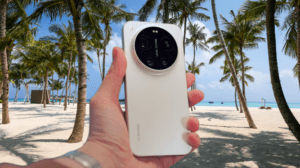
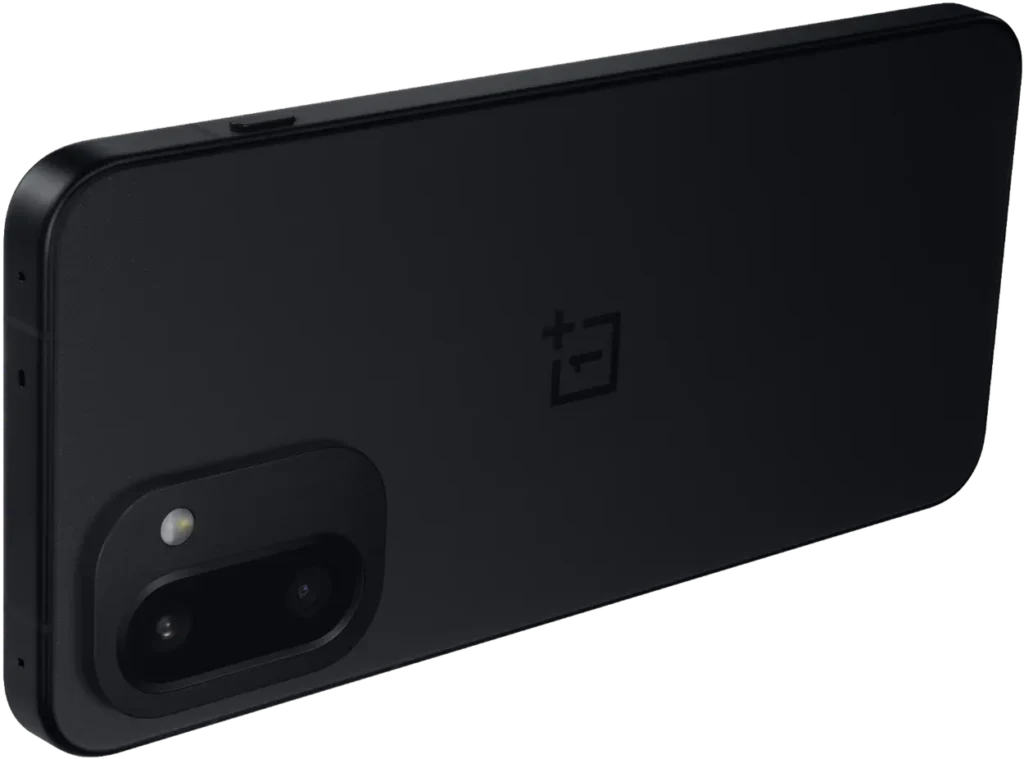
In the review pictures, you can see the Charcoal Black version of the phone. Some regions also get a Mint Breeze color option.
Thanks to multiple protection certifications, the OnePlus 15R is a tough phone. It carries four ratings: IP66, IP68, IP69, and IP69K. OnePlus lists them all separately, even though some are just improvements on others.
These ratings mean you can submerge the phone in 1.5 meters of water, spray it with hot water jets at 80 degrees, and drop it in dust or sand without any of those things getting inside and damaging components.
The phone survived several bumps and drops during my testing. Many of those accidents happened because the edges are so smooth and slippery. The phone slid straight out of my hand quite often.
The lack of texture or grip on the sides makes it easy to lose hold, especially if your hands are slightly wet or if you’re reaching for something while holding it.
That durability proved fortunate because, unlike most smartphones I’ve tested, the OnePlus 15R doesn’t come with a case in the box. Most phone manufacturers include a basic clear case to protect your device until you buy a proper one.
You’ll need to buy a case separately if you want protection beyond the IP ratings. Those certifications protect against water and dust, not against cracked screens or dented corners from drops onto hard surfaces. The phone might survive submersion in water, but a drop onto concrete can still shatter the display.
The slippery design, combined with the lack of an included case, means you should budget for a case purchase immediately. Don’t wait to see if you need one. The phone will likely slip from your hands at some point.
OnePlus 15R Display
If screen quality matters to you, the OnePlus 15R could be the best display the company has released so far. It shares almost all the same display specs as the OnePlus 15, but it comes in a larger size, which makes a noticeable difference in daily use.
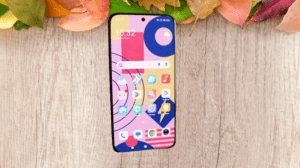
The screen measures 6.83 inches diagonally, giving you plenty of space to watch videos, play games, or read. That extra size also means your fingers have more room to move when typing or swiping. The front is clean and uncluttered, with only a small punch hole at the top for the selfie camera.
Resolution is 1272 x 2800, also known as FHD+. With a pixel density of about 450 pixels per inch and a 19.5:9 aspect ratio, text looks sharp, and images stay clear even up close. You do not see jagged edges or softness during normal use.
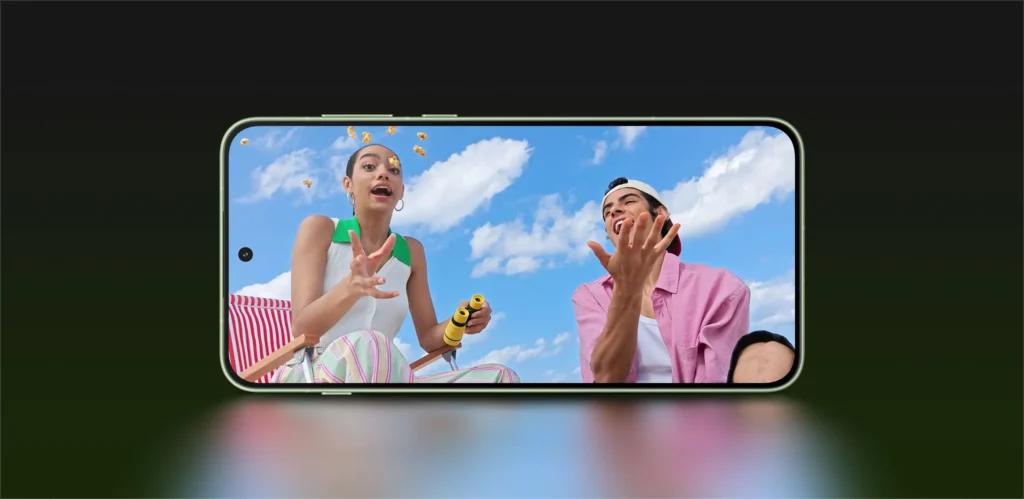
This is an AMOLED panel, so colors look bold, and blacks look properly dark. Brightness peaks at 1800 nits, which is strong enough for outdoor use. When I used it side by side with the OnePlus Pad Go 2, which has an LCD screen, the difference was easy to notice.
Colors popped more, contrast was stronger, and dark scenes looked deeper. The screen is protected by Corning Gorilla Glass 7i, which should help against drops and scratches. The pre-installed screen protector does not offer the same level of protection, though. After some use, mine started to show visible scuffs.
You may also like: Samsung Galaxy A07 Promises Six Android Updates for Budget Phone Longevity
The display can reach up to 165Hz in certain supported apps, or 144Hz in others. Most of the time, it runs at lower refresh rates. I usually keep refresh rates down on phones to save battery, and the 15R also lets you lower the resolution for the same reason. In this case, battery life was not a concern, so there was no pressure to dial things back.
OnePlus also includes a good set of display features. There are eye comfort options and color adjustment modes that make long sessions easier on your eyes and improve the screen’s appearance throughout the day.
OnePlus has not confirmed whether Aqua Touch is included, a feature that keeps touch input responsive when your fingers are wet. Based on how the screen behaved during use, it felt like some version of that feature was active.
OnePlus 15R Performance
Performance has always been a strong point for OnePlus phones, and the 15R continues that trend. Even though it is positioned as a step down from the main OnePlus 15, you would struggle to notice any real difference in performance.
The phone runs on the Snapdragon 8 Gen 5 chipset, which sits just below the very top tier. It comes with 12GB of RAM and either 256GB or 512GB of storage.
In benchmark tests, its peak performance is only slightly below that of the OnePlus 15, which uses the Elite version of the same chip. In normal use, you don’t feel that gap.
You may also like: Samsung Galaxy S26 Privacy Display: AI-Powered Screen Protection Coming to All Models
Gaming performance makes this clear. Every game I tested ran smoothly at the highest graphics settings. There were no frame drops, no stutters, and no long loading times.
After about 40 minutes of intensive gaming, the phone started to warm up, and benchmarks showed a small dip in performance. That is expected with this level of power in a slim phone. Long gaming sessions are better handled in shorter bursts.
OnePlus 15R Software
For everyday use, the phone runs Android 16 with OxygenOS 16 on top. OnePlus promises 4 years of Android updates, which should take the phone up to Android 20, plus two additional years of security updates. That gives the 15R good long-term support.
OxygenOS remains one of the cleaner and more enjoyable Android interfaces available. During testing, it was easy to see why many users like it.
Features such as Zen Space, limited and controlled use of AI tools, and the Shelf page with quick-access widgets all add value. More than any single feature, though, it is the overall experience that stands out. The design, customization options, and navigation feel well thought out and easy to live with.
I have tested many Android phones where the software feels awkward or frustrating to use. That was not the case here. OxygenOS feels polished and intuitive from the start.
There is one downside. The phone comes with a noticeable amount of pre-installed apps. At a $700 price point, you should not have to spend time deleting unwanted software when you first set up your device.
OnePlus 15R Cameras
OnePlus clearly did not build the 15R with phone photography as its main focus. That is not a criticism. It is simply where OnePlus chose to reduce costs compared to the flagship model.
The camera setup includes a 50MP f1.8 main camera and an 8MP f2.2 ultrawide camera with a 112-degree field of view. What is missing is a telephoto lens. That is notable because the older 13R had one, and longer zoom lenses became more common across phones in 2025.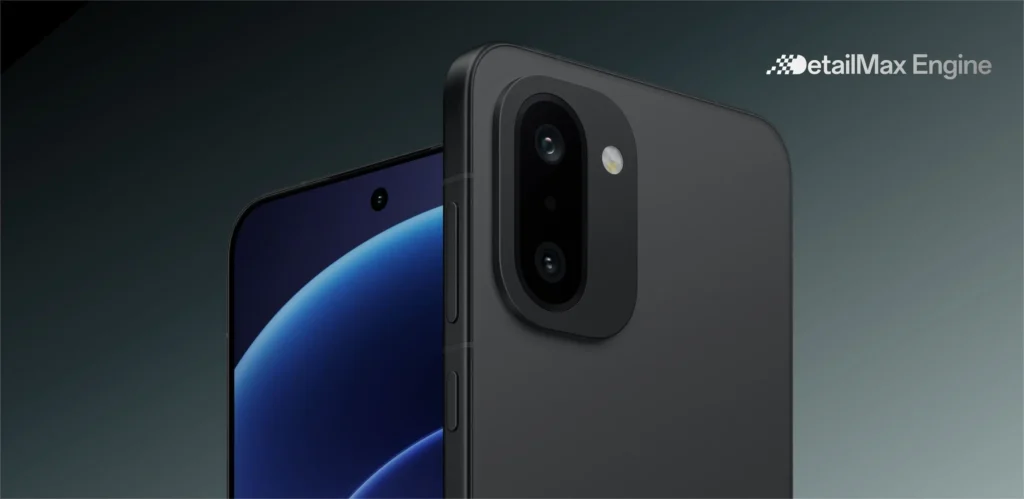
Zoom performance reflects that choice. From ultrawide to the main camera, photos look clean and detailed. Images stay sharp and usable at 2x zoom. Beyond that point, quality drops quickly. Anything above 1x zoom relies on digital zoom, which is essentially cropping the image, up to a maximum of 20x.
In practice, I was comfortable using photos taken at up to 2x zoom. Anything further started to look soft and messy.
That said, the OnePlus 15R still delivers good camera results overall. I used it indoors and outdoors, across various lighting conditions and subjects, without encountering any major issues. Photos come out sharp, bright, and clear.
Autofocus can be a little slow at times, which means you may need a moment to frame your shot properly. Even so, the results were good enough that I used the phone for product photos in another project.
You may also like: The OnePlus Turbo 6 is here with a 9,000mAh battery
Much of the camera output depends on aggressive software processing. This is most obvious in how the phone handles color. Saturation is pushed hard, especially with colorful subjects. Fruit, flowers, and bright scenes can look overly vivid, sometimes to the point of feeling unnatural.
Some people will enjoy this look since it works well for social media. Others may prefer more natural color tones.
On the front, the phone uses a 32MP f2.0 selfie camera. Its 25mm focal length is slightly tighter than the OnePlus 15’s, which I see as a good thing. Faces look more natural and less stretched at the edges.
Portrait mode is where selfie cameras often struggle, but the 15R handles it well. Subject detection is accurate, and the background blur looks clean and believable, without obvious cutout errors.
OnePlus 15R Battery
At 7,400mAh, this is one of the largest batteries you will find in a mainstream smartphone. At the time of testing, it was also the biggest battery OnePlus had put into a phone, at least until the OnePlus Turbo 6 was announced shortly after.
Even with heavier-than-normal use over the holidays, the OnePlus 15R usually ended the day with around 60-70% battery remaining. On several occasions, I went a full 2 days without plugging it in.
Phone makers often talk about two-day battery life, but this is one of the rare times I have seen a phone actually deliver on that claim. It is easily the best battery life I have experienced on any phone so far.
You may also like: Belkin’s Qi2 power banks and a Switch 2 charging dock
Charging performance is also good. OnePlus includes 80W fast charging, which is slightly slower than its top-tier models but still very quick. According to OnePlus, the phone should reach 50% charge in about 22 minutes. In my testing, a full charge took roughly 55 minutes, which is more than reasonable given the battery size.
There are a couple of trade-offs. Unlike the flagship model, the 15R does not support wireless charging or reverse charging. That is one of the compromises made to keep the price lower.
Should I buy the OnePlus 15R?
The OnePlus 15R would be a good recommendation if it were a bit less expensive. At its current price, it risks falling short of its true budget-friendly status, potentially limiting its appeal to some buyers.
That said, it still has clear attention. The 15R is built more as a dependable workhorse than a flashy performance phone. Its standout battery life and good protection rating make it better suited to daily wear, long days, and tougher conditions than many alternatives.
This phone makes the most sense for people who spend a lot of time outdoors, those who cannot reliably charge their phone throughout the day, and anyone looking for a reliable device for work.