
A new leak shows that Nvidia is planning a 9GB version of the GeForce RTX 5050, adding to what was previously expected to be an 8GB entry-level card. The information comes from industry sources and hardware leaks, which is the usual channel for this kind of pre-release detail.
If accurate, Nvidia is planning to ship the RTX 5050 in at least two memory configurations, which are 8GB and 9GB. The 9GB variant reportedly maintains the same power consumption rate as the 8GB model, so the difference between the two would come down to memory capacity rather than a broader spec change.
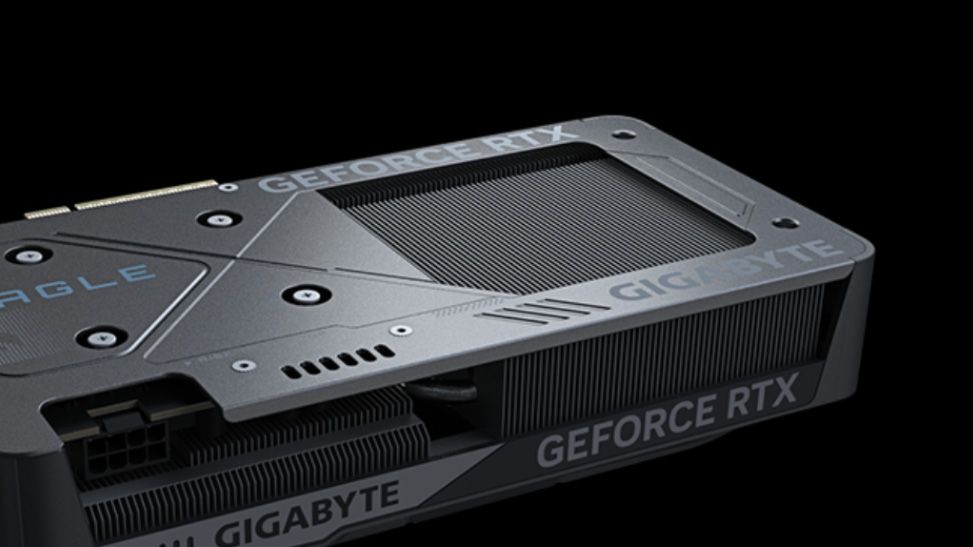
Offering multiple memory options at the entry level gives buyers more opportunities to choose based on what they actually need.
You may also like: KAMRUI Hyper H2 Mini PC with 40% Off Intel Core 14450HX Deal at $459.99
Someone building a budget gaming PC has different priorities than someone who wants a little more headroom for memory-intensive workloads, and two variants at this tier would address both without pushing everyone toward a higher-priced card.
NVIDIA RTX 5050 9GB
The 9GB version of the RTX 5050 is expected to use GDDR7 memory, which is a meaningful upgrade over the GDDR6 found in most current entry-level cards.
GDDR7 delivers higher bandwidth and better efficiency, which improves performance in games and applications that push memory hard.
For a card sitting at the budget end of the lineup, that kind of memory upgrade can make a real difference in how it handles modern titles.
What stands out in the leak is that the 9GB GDDR7 model is reportedly staying at the same 130W TDP as the standard 8GB GDDR6 version. That means you get the faster memory without the card drawing more power. The performance ceiling goes up, but the power requirements stay flat.
That’s a practical detail for anyone building or upgrading a system. Staying at 130W means you don’t need to swap out your power supply or rethink your cooling setup to accommodate the newer card.
You may also like: Intel Arc Pro B70 Leak: 32GB VRAM Workstation GPU Launch Expected Soon
You can drop it into an existing build and get the benefit of the memory upgrade without any additional cost or hardware changes around it. For budget builders especially, that matters.
NVIDIA RTX 5050 9GB With Extra Memory
VRAM requirements in modern games have been climbing steadily. Newer titles load higher-resolution textures, larger open environments, and more complex visual effects than games from even two or three years ago, and that all sits in video memory.
When a game pushes up against the VRAM limit of a card, you notice it because the frame rates drop, textures take longer to load, and stuttering shows up in scenes that should run smoothly.
Going from 8GB to 9GB might look like a small jump on a spec sheet, but that extra gigabyte sits right in the range where modern games start to put pressure on budget cards.
It gives the GPU a little more room before it hits that wall, which can mean the difference between a consistent experience and one that starts to break down in demanding scenes.
For anyone gaming at 1080p today, 9GB is comfortable headroom. For 1440p, where texture budgets get heavier, that extra memory starts to carry more weight. It also extends how long the card stays relevant.
You may also like: Snapdragon X2 Plus vs Apple M4: Benchmark Results Show Mac Performance Lead
A GPU that handles current games well but runs tight on VRAM will start struggling sooner than one with a bit more to work with. For a budget card, that added lifespan is part of the value.
NVIDIA RTX 5050 9GB for Gamers and PC Builders
Multiple RTX 5050 configurations would give Nvidia more coverage at the entry level, a segment that matters because it’s where most first-time builders and people upgrading from older hardware shop.
These buyers aren’t looking for the fastest card on the market; they’re looking for the best performance they can get within a specific budget. Giving them two options within the same product family lets them make that call without stepping up to a completely different tier.
NVIDIA has done this before with other cards, releasing the same GPU with different memory amounts at different price points. It works because not everyone needs the top configuration, and not everyone wants to pay for it.
An 8GB option keeps the floor price low, while the 9GB variant gives buyers a reason to spend a little more if they want the extra headroom.
The 130W power rating also keeps things simple from a build perspective. Cards in that range don’t demand high-end power supplies or specialized cooling to run properly.
You may also like: Corsair RM1000x PSU deal just drops from $209.99 down to $169.99
A mid-range PSU handles it without stress, and standard case airflow is usually enough to keep temperatures in check. For someone putting together a practical, no-fuss gaming PC, that kind of compatibility with everyday components is exactly what makes a budget GPU easy to recommend.
Final Thought
None of this is confirmed yet. NVIDIA hasn’t made any official announcement about the RTX 5050, and everything discussed here comes from leaks and industry sources. That context matters before drawing firm conclusions.
That said, if the reported specs are confirmed, the RTX 5050 would be one of the more accessible cards in Nvidia’s next-generation lineup.
Pairing a current-generation architecture with GDDR7 memory at a budget price point is exactly what entry-level buyers have been waiting for, without having to stretch the budget into mid-range territory.
The details still missing are the ones that complete the picture. Clock speeds, CUDA core counts, and a launch date haven’t surfaced yet, and those numbers will determine where this card actually lands in terms of real-world performance. Expect more information to come out as Nvidia moves closer to a formal announcement.
What the leak does suggest is that memory capacity is a focus for Nvidia at this tier. Bumping VRAM and upgrading to faster memory in an affordable card signals that the company is paying attention to where entry-level GPUs have been falling short, and that’s a reasonable direction for the next generation of budget gaming hardware.