
I spent some time looking at the current smart glasses market, and one thing becomes obvious. Most products still prioritize technology over how they actually look on a person’s face.
Meta and Ray-Ban have done a reasonable job of making their collaboration feel like actual eyewear, but much of the rest of the market still produces frames that feel thick, heavy, and visually uninspired.
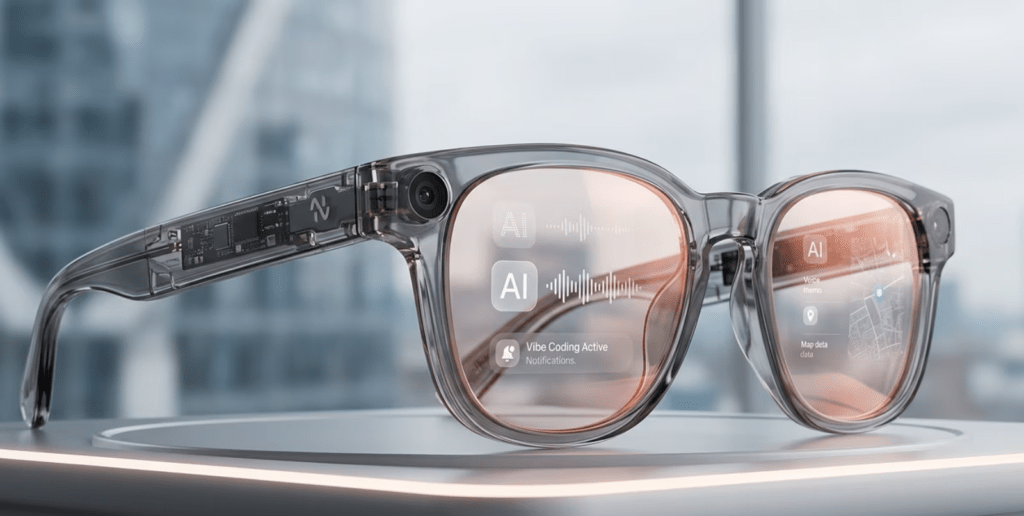
Nothing, the London-based company known for its transparent designs and distinctive LED accents, is reportedly preparing to enter that industry. Given where the market currently sits, that’s exactly the kind of competition it needs.
Nothing Smart Glasses
Most smart glasses are not particularly pleasant to look at, and that’s been true since the category first appeared.
You may also like: Meta’s New AI Smart Glasses Are Finally Built for Prescription Wearers
The industry has spent more energy on functionality than design, and the result is frames that tend to look bulky and awkward. They signal tech products before they signal eyewear, which puts most people off wearing them in public. Even as the hardware has gotten slimmer and more capable, the designs have stayed largely functional rather than considered.
Ray-Ban’s Meta collaboration remains the exception worth mentioning, though that product has drawn its own attention for different reasons around filming people without their knowledge. Outside of that, smart glasses are still something you can spot immediately on someone’s face.
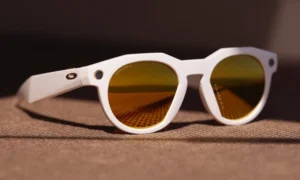
Meta has made some moves to address this with expanded frame options, including the Oakley Meta Vanguard collaboration, but the gap in the market for something that feels genuinely new remains wide open.
Most companies are still playing it safe, working with conventional frame shapes and trying to conceal the technology rather than make it part of the design. No one has convincingly made the tech itself look like something you’d actually want to wear on a night out. That’s the space that remains unclaimed.
What the market actually needs is genuine variety, not just the same frame shape offered in slightly different finishes or with a prescription option. Different design philosophies entirely. That’s why Nothing entering this space could matter more than just adding another name to the category.
Nothing Wants to Change Smart Glasses Space
Nothing’s identity is built around how its products look, which is transparent components, deliberate shapes, and hardware that stands out rather than blends in.
You may also like: Samsung Smart Glasses Confirmed: What We Know About the Camera, AI, and Launch Date
You see a Nothing Phone or a pair of Nothing earbuds, and you know immediately what brand made them. That visual consistency is rare in consumer tech and even rarer in smart glasses. In a category where most products look interchangeable, that kind of distinct design language is exactly what’s been missing.
Bloomberg’s Mark Gurman reports that Nothing is planning AI-powered glasses for the first half of 2027. The frames would include cameras, microphones, and speakers, with AI processing handled by a connected phone and the cloud rather than built into the glasses themselves. That approach mirrors what Meta has already proven works in practice.
The hardware specs aren’t the most interesting part of this story, though. What matters more is what Nothing’s design approach could bring to a category that has looked largely the same for years.
If the company manages to translate its visual identity into eyewear that actually feels wearable rather than costume-like, it could be the push smart glasses need to move from niche tech accessory to something people genuinely want to put on their face.
AR Glasses and AI Smart Glasses
It’s worth noting that Nothing is reportedly working on AI glasses rather than AR glasses with a built-in display, and that’s probably the right call for now.
Adding a display changes the entire product. It introduces new challenges around cost, battery drain, heat management, and comfort that are difficult to solve within any budget.
Meta has demonstrated that even with enormous resources behind it, shrinking display technology down into something that resembles a normal pair of glasses isn’t currently possible.
Nothing working within the AI glasses format, without a display, is a more realistic starting point and likely a smarter one.
You may also like: Meta Shifts Horizon Worlds from VR to Mobile in Major Metaverse Strategy Change
The lighter, sleeker AI glasses approach makes more sense for a company where design is the primary selling point. If Nothing’s goal is to make smart glasses that people actually want to wear, keeping the hardware simple and the frames slim is the right foundation to build from.
Nothing Smart Glasses Release Date
This wasn’t always the direction Nothing was heading. Reports suggest CEO Carl Pei was initially reluctant about glasses as a product category, but changed his position as the broader Android XR push from Google and Samsung started gaining momentum. Samsung’s Galaxy Glasses are expected sometime in 2026, with Nothing targeting a 2027 window.
That’s a later entry point, but if the additional time results in a product that looks and feels like proper eyewear rather than an early prototype, the wait makes sense. Getting the design right matters more than being first in a category that hasn’t found its footing yet.