
Wireless charging in cars isn’t exactly new; it’s been around for years now. But let’s be honest: the way it’s been done so far leaves a lot to be desired.
You’ve probably dealt with charging pads that get way too hot, phones that slide around because there’s nothing to grip them in place, and charging speeds that are painfully slow. Instead of making life easier, it often feels like more of a hassle than just plugging in a cable.
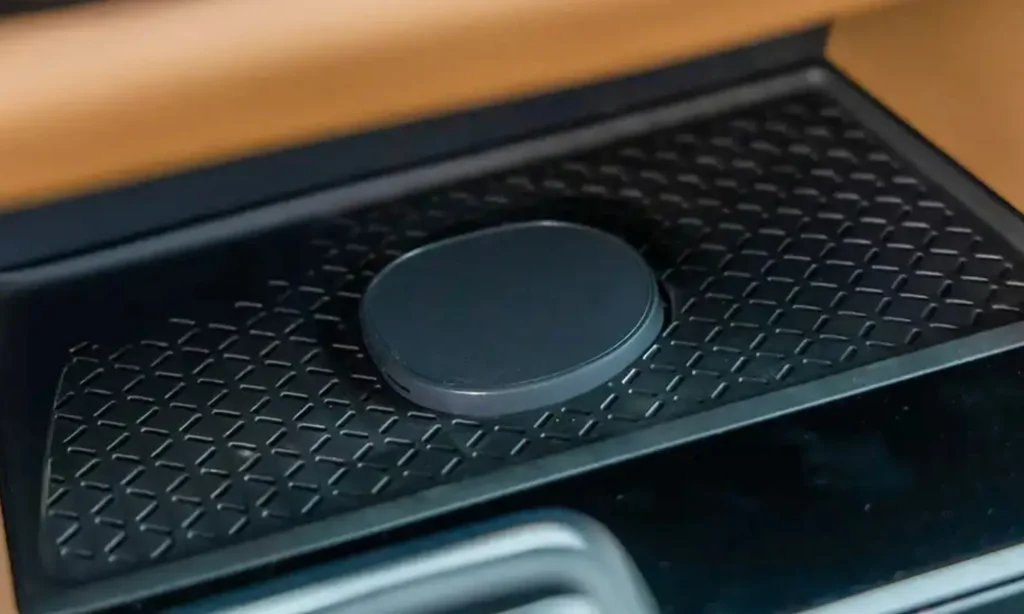
Nissan thinks they’ve found a better solution. The Japanese automaker is planning to introduce Qi2 wireless charging technology in some of its upcoming vehicles, and it’s betting it’ll actually work the way wireless charging should, without all the frustrating drawbacks we’ve gotten used to.
Nissan Qi2 wireless charging is changing the game
According to Nissan’s latest announcement, they’re claiming to be the “first automaker in the U.S. to offer Qi2 wireless charging” in cars that are actually going into production.
This new feature will first appear in the 2026 Pathfinder, which should arrive in dealerships sometime early next year, and in the 2026 Murano as well.
So what exactly is Qi2? It’s a newer wireless charging standard developed by the Wireless Power Consortium and built on the original Qi technology most of us are already familiar with.
The key improvement is that Qi2 uses magnets, kind of like what you’ve seen with MagSafe on iPhones. Both the charger and your phone have a circular magnetic ring that snaps them together perfectly, keeping your device in exactly the right position.
You may also like: Apple CarPlay May Soon Support ChatGPT and Other AI Assistants
On top of that, Qi2 handles power more efficiently, so your phone charges faster and wastes less energy while generating less heat. Basically, it’s designed to fix all those annoying problems that made older in-car wireless charging feel like it wasn’t worth the trouble.
So what does all this actually mean for people driving Nissan vehicles? Well, Qi2 wireless charging should improve things in three significant ways.
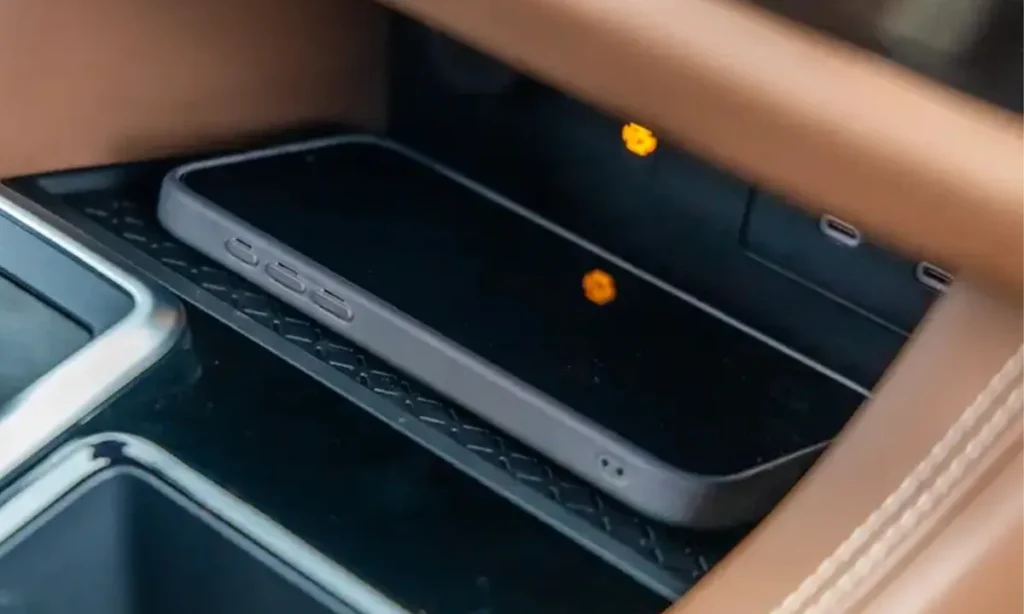
First, you won’t have to constantly fiddle with your phone to get it in the right position. The built-in magnets snap your phone into the perfect spot on the charger and hold it there securely, even when you’re driving over bumps or taking sharp turns. No more checking every few minutes to see if your phone slid off the pad.
Second, the charging is actually fast enough to be useful. Qi2 chargers can deliver up to 15W of power, a huge jump from older wireless pads in cars that only deliver about 5W.
That means if you’ve got a Qi2-compatible phone, it’ll charge much quicker, finally making wireless charging in your car something you’d actually want to use instead of just a gimmick.
And third, Nissan didn’t stop at just adding Qi2 technology. They also built a cooling fan into the charging module itself.
Even though Qi2 is already more efficient and generates less heat than older wireless chargers, the added fan helps prevent your phone from overheating. That’s important because overheating can slow down charging speeds or even damage your battery over time. With the fan running, your phone stays cool and charges at its optimal speed.
Nissan Qi2 wireless charging times
The combination of Qi2 technology and that cooling fan makes a real difference in charging times. To put it in perspective, charging an iPhone 14 Pro that used to take about 240 minutes with traditional wireless chargers now takes just over 90 minutes. That’s less than half the time, a pretty massive improvement.
You may also like: Elon Musk Says Tesla Optimus Robots Will Go on Sale by End of 2027
Nissan also thought about the small details. The charging module includes an LED indicator so you can tell at a glance what’s going on. An orange light means your phone is charging, and when it switches to green, you know it’s fully charged. Simple, but helpful.
The Bottom line
If you end up buying a 2026 Murano or Pathfinder and you’ve got a phone that supports Qi2, like an iPhone 12 or newer, the Pixel 10 series, or even a Galaxy S25 with a magnetic case, you can basically stop worrying about carrying charging cables around.
Your phone will stay charged up even when you’re running Apple CarPlay or Android Auto for navigation, which usually drains your battery pretty quickly. No more frantically searching for a cable or dealing with that low-battery anxiety on long drives.
Honestly, I wouldn’t be surprised if other car manufacturers start jumping on board with Qi2 soon, probably rolling it out in their 2026 models.
It’s one of those genuinely useful upgrades that improve drivers’ everyday lives, rather than just another flashy feature nobody ends up using.