
JBL is rethinking open-ear listening with two new releases, the JBL Sense Pro and JBL Sense Lite. These are not earbuds that sit inside your ear canal. Instead, they use air-conduction technology to send sound to your ears while keeping them open.
You can listen to music and still hear what is happening around you. This marks a clear shift for JBL, with a focus on making open-ear audio practical and good enough for everyday listening.
The main idea behind the Sense Pro and Sense Lite is balance. You no longer have to pick between awareness and sound quality. Both models use JBL OpenSound technology, which aims audio directly at your ears without blocking them.
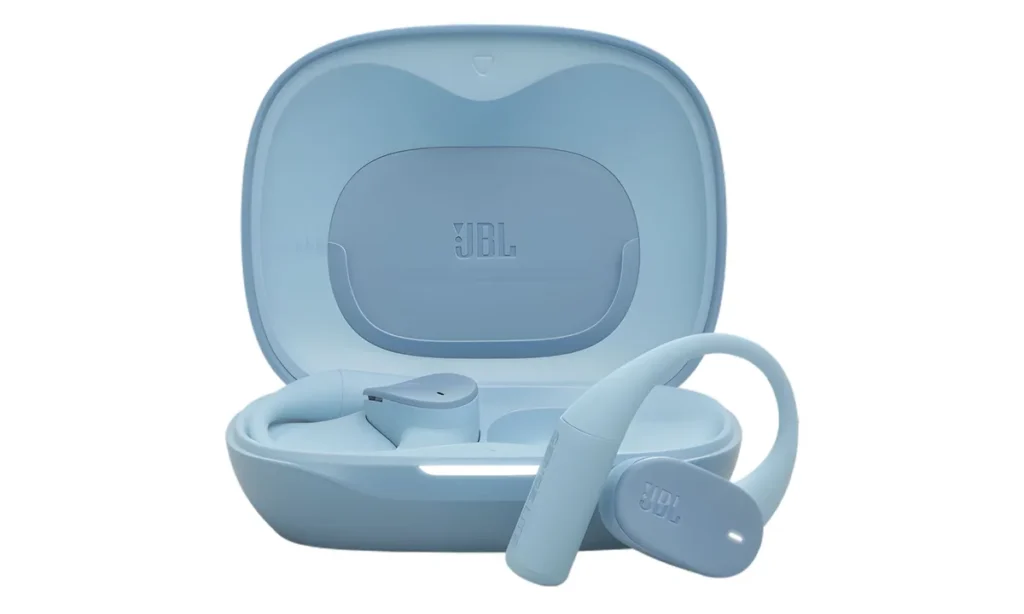
This makes them a strong option for runners who need to stay alert, office users who want to hear colleagues, or anyone who dislikes the pressure and isolation of traditional in-ear tips. The goal of the new JBL open-ear earbuds is simple. They let you stay connected to your surroundings while still enjoying full, satisfying sound.
Open-air Audio Technology is Shaping Up to be JBL’s Next Major Focus
According to Carsten Olesen, President of Consumer Audio at HARMAN, JBL has made a real breakthrough with these new models. He explains that the company has finally found a way to deliver full sound with strong bass through the air, which has always been the biggest challenge for open-ear headphones.
The aim is to take open-ear audio beyond its usual role as a safety-focused option and turn it into something music lovers can use every day.
You may also like: NextSense Smartbuds Sleep Earbuds Use EEG Sensors to Enhance Deep Sleep
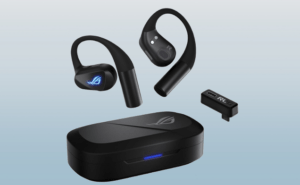
The Sense Pro sits at the top of the lineup. It is built for listeners who want the best performance possible from an open-ear design.
It uses large 16.2 mm drivers and supports high-resolution audio, helping music sound fuller and more detailed. An Adaptive Bass Boost algorithm works in the background to prevent the sound from feeling flat or weak.
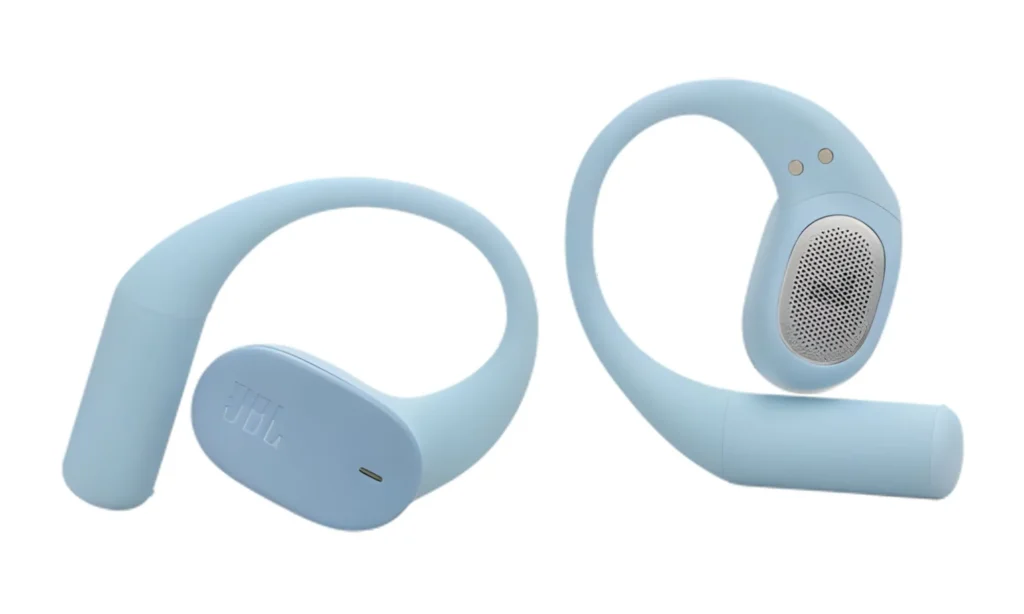
JBL has also put serious effort into call performance. The Sense Pro uses 4 microphones along with a Voice Pickup Sensor to keep voices clear during calls. This helps cut through noise from wind, traffic, or crowded public spaces.
To finish things off, the Sense Pro includes an adjustable hook designed to provide a more stable and comfortable fit, even during long listening sessions or movement.
The Sense Lite is designed for anyone who wants a simple, comfortable listening option.
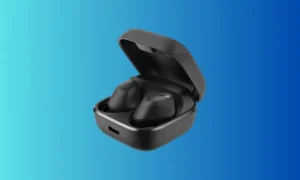
The Sense Lite is built for comfort and everyday use. It is lighter than the Pro model, coated in soft silicone, and shaped to sit gently on your ear without drawing attention. While it does not match the Pro on raw audio specs, it still delivers adaptive bass that keeps music loud and balanced.
Battery life is also strong, offering up to 32 hours of use. With an IP54 rating, it can handle sweat and light rain, making it suitable for workouts and outdoor use.
You may also like: Moto Buds 2 Plus Leak Shows Redesigned Case and Bose Partnership
Both the Sense Pro and Sense Lite work seamlessly with Google Fast Pair and the JBL Headphones app. This gives you control over sound settings and other preferences, so you can tune the experience to your liking.
The Sense Pro adds a few extra features for those who want more. It supports wireless charging and Bluetooth 6.0, which helps extend total battery life to up to 38 hours.
The JBL Sense Pro will be available in March 2026 at a price of $199.95. The Sense Lite will follow at $149.95. As more listeners look for audio options that let them stay in their surroundings without giving up sound quality, JBL’s new Sense lineup shows that open-ear listening can still deliver a satisfying music experience.