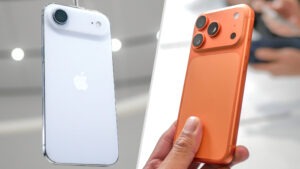

Apple surprised everyone by dropping the iPhone 17e two days ahead of schedule. Nobody saw that coming.
If you’re due for an upgrade but can’t decide between the iPhone 17e and the iPhone 17, you’re in the right place. Below, we break down the key spec differences between the two so you can make a clear decision.
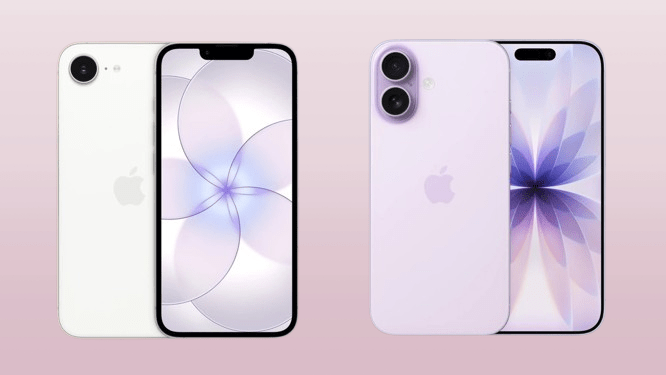
If price is your main concern, it’s also worth checking out our best mid-range phones guide and the iPhone 17e vs iPhone 16e comparison. And if you’re not fully committed to iOS, our best smartphones guide also covers top Android options.
iPhone 17e vs iPhone 17: Price and Availability
The iPhone 17e is Apple’s most affordable option right now, starting at $599 for the 256GB model. Pre-orders open on March 4th, with the phone officially hitting shelves on March 11th. It’s worth setting a reminder if you’re interested.
You may also like: Apple’s New Studio Display Could Launch in First Half of 2026
The iPhone 17 starts at $799 and is available to buy today. Price drops have happened a few times over the past few months, but they’re not common enough to count on.
iPhone 17e vs iPhone 17: GPU Chip
Both phones run on the A19 chip, but there’s a small difference worth knowing. The iPhone 17 comes with a five-core GPU, while the iPhone 17e gets a four-core GPU. On paper, that means the 17e will score slightly lower on benchmarks.
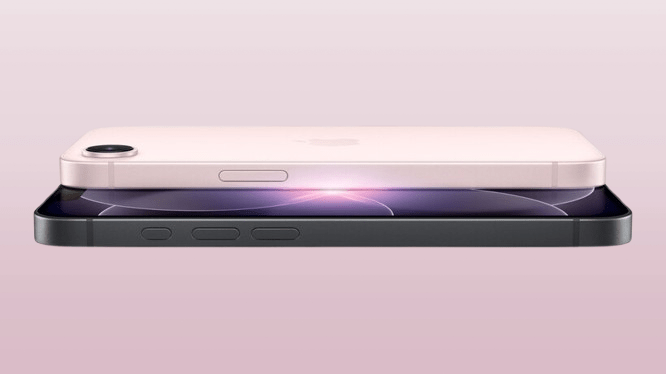
This is the same pattern Apple used last year with the iPhone 16e and iPhone 16. The 16e had one fewer GPU core than the 16, yet in day-to-day use, the performance gap was hard to notice. Most tasks felt the same on both phones.
The same logic applies here. Unless you’re doing something GPU-intensive like high-end gaming or heavy video editing, you likely won’t feel the difference between the two.
Outside of the GPU difference, both chips are identical in every other way. Each has a six-core CPU and a 16-core Neural Engine, which means both phones handle Apple Intelligence features the same way.
iPhone 17e vs iPhone 17: Camera
The camera is one area where the iPhone 17e makes a clear trade-off. It has a single 48MP Fusion lens on the back, nothing else. The iPhone 17 has two lenses, a 48MP main and a 48MP ultrawide, which opens up more shooting options.
You may also like: Apple Watch Ultra 2 Deal: $599 (Save $200) on GPS and Cellular Model
We haven’t reviewed the 17e yet, but since its camera hardware carries over from the iPhone 16e, we have a good idea of what to expect.
Photos should come out sharp and colorful, and the in-sensor zoom lets you get up to 2x closer without a separate telephoto lens. It’s capable for most people, but if you shoot a lot of wide shots or want more flexibility, the iPhone 17’s dual setup has the edge.
From our time testing the iPhone 17, it holds up well as an all-around camera. It’s not in the same league as the iPhone 17 Pro, but the main lens consistently produces sharp, color-accurate photos even in low light.
The 48MP ultrawide is a genuine step up, too, handling dim conditions better than lower-resolution alternatives that tend to struggle there.
We’ll reserve final judgment on the 17e until we test it properly. But based on what we know, if camera flexibility matters to you, the iPhone 17 is a good pick. Two lenses simply give you more to work with than one.
iPhone 17e vs iPhone 17: ProMotion Technology
The iPhone 17 got ProMotion, which means a 120Hz refresh rate that makes scrolling and animations visibly smoother. The iPhone 17e did not. It stays at 60Hz, which is the same ceiling it had before.
In practice, the difference is noticeable. Flicking through apps, scrolling through social feeds, and even simple transitions feel more fluid on a 120Hz screen. Once you’ve used one for a while, going back to 60Hz feels like a step down.
What makes this harder to overlook is that 120Hz has become standard on Android phones across nearly every price range, including mid-range and budget options. Apple leaving it out of the 17e is a real omission, especially at a $599 starting price.
iPhone 17e vs iPhone 17: Center Stage Front Camera
If you take a lot of selfies or spend time on video calls, the front camera difference between these two phones is worth paying attention to.
The iPhone 17e carries over the 12MP selfie lens from the iPhone 16e. It takes good, detailed selfies, but that’s about where it stops. The iPhone 17 steps things up with an 18MP Center Stage camera built on a square sensor.
You may also like: New Apple AirTag 2 2026: 50% Louder Speaker, Longer Range, Same Price
That square sensor is more useful than it sounds. It gives you a wider frame when taking selfies or group shots, so you’re less likely to cut someone out of the picture.
Center Stage also tracks your movement during video calls and adjusts the frame automatically to keep you centered. Add dynamic zoom on top of that, and fitting multiple people into a call becomes much less of a hassle.
We rated the iPhone 17’s front camera among the best available right now. If selfies and video calls are a regular part of how you use your phone, the iPhone 17 has a clear advantage here.
iPhone 17e vs iPhone 17: Camera Control Button
Both phones come with the Action Button, which replaced the old ringer switch and can be set to trigger whatever function you find most useful. But the iPhone 17 adds something the 17e doesn’t have: a Camera Control button.
Camera Control lets you adjust photo settings, like zoom and exposure, with a swipe of your finger instead of tapping through on-screen menus. It’s a handy shortcut when you’re in the middle of shooting.
That said, we have one complaint about it. The button sits slightly too far from where your finger naturally rests, which makes it feel a little awkward to use in the moment. It works, but it never quite feels effortless. Given that, it’s a nice extra to have, but not a strong enough reason on its own to choose the iPhone 17 over the 17e.
iPhone 17e vs iPhone 17: Verdict
The iPhone 17 is one of the strongest iPhones Apple has put out in recent years. The 120Hz screen, dual cameras, and upgraded front camera all add up to a phone that’s easy to recommend without many caveats. By comparison, the iPhone 17e asks you to accept some real trade-offs for the lower price.
That doesn’t make the 17e a bad phone. If you’re upgrading from an older iPhone and want something current without spending $800, the 17e delivers where it matters. Just go in knowing what you’re giving up is one rear camera, a 60Hz screen, and a lower-resolution selfie lens.