
I’ve used Pixel phones for ten years now, and the Pixel 10a is the most underwhelming A-series release I’ve seen.
The community is talking about it, and for good reason, this latest midrange Pixel skips the usual spec upgrades that come with annual refreshes. Even year-over-year iPhone updates feel more substantial by comparison.
The phone looks almost identical to the previous model, which is the Google Pixel 9a. The overall design and core hardware stay the same, with only small adjustments. The display bezel is slightly thinner. The camera module sits more flush with the back. Inside, almost nothing changed.
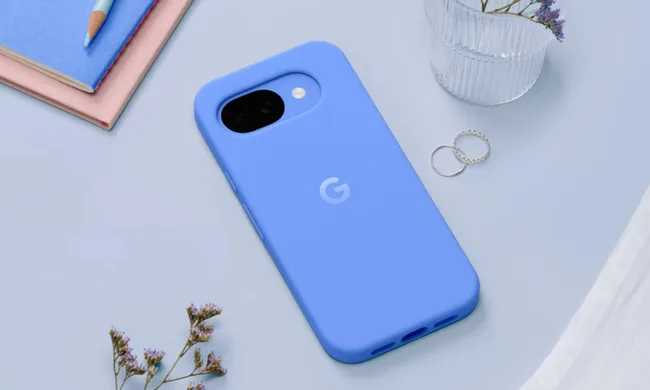
The lack of major upgrades looks disappointing at first, but the Pixel 10a still makes sense as a strategic release. Google modified what already worked instead of chasing attention with flashy new features. Here are reasons why the Pixel 10a is still worth considering.
Google Pixel 10a: Core Pixel Experience
The Pixel 10a keeps what makes Pixel phones worth buying due to its clean software, good everyday performance, and Google’s camera processing. The Tensor G4 chip doesn’t outperform last year’s version, but it handles daily tasks without issues.
Messaging, social media, light multitasking, and media playback all run smoothly. Power management stays efficient, so the phone lasts through the day without draining unexpectedly.
You may also like: Nothing Phone 4a and 4a Pro Specs and Pricing Leak Ahead of March 5 Launch
The software is where the Pixel 10a distinguished itself. The AI features add real convenience instead of feeling like extras feauture that you’ll never use. Real-time scam detection works in the background through Gemini Nano, catching suspicious calls and messages before they reach you.
There is also a Call Assist that filters spam calls by having an AI assistant answer first, then alerts you only if the call is legitimate. Call Notes transcribes and summarizes your calls privately without uploading anything to the cloud.
You may also like: Google Pixel 11 Pro XL Leaked: Design and Specs
The Hold for Me keeps you from sitting on hold during service calls by waiting for you and notifying you when someone picks up. Clear Calling removes background noise and makes the caller’s voice clearer during conversations.
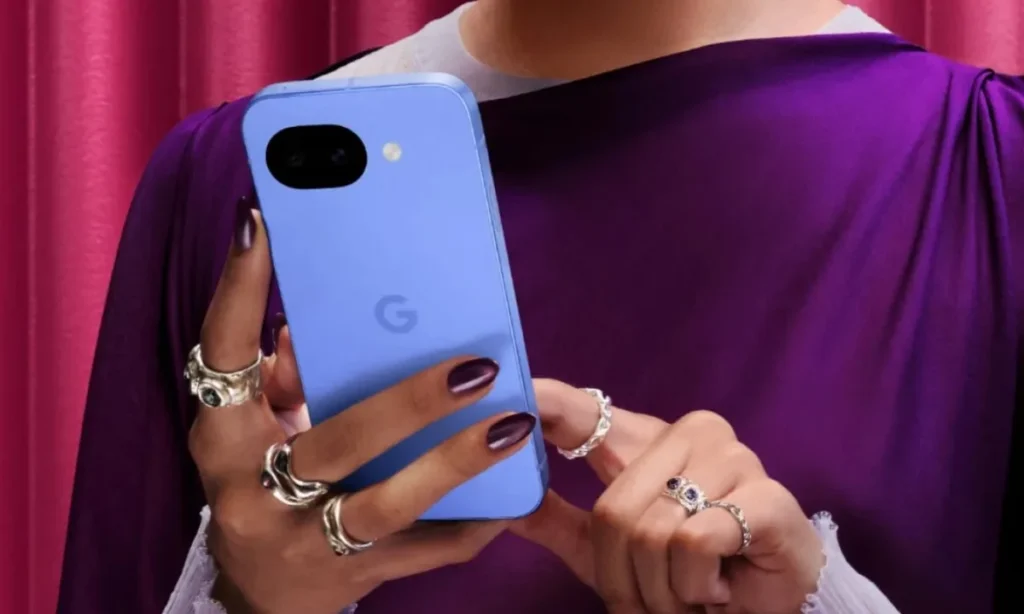
The On-call translation is my favorite feature. It translates conversations in real time and keeps the speaker’s natural voice in the translated audio. This makes international calls feel more personal than robotic translations.
You may also like: A Complete Guide on How to Back Up Your Phone in 2026
The Pixel 10a brings flagship AI features to a midrange price. Camera Coach uses AI to suggest better framing while you’re taking photos. It gives you real-time guidance without interrupting your shot.
Auto Best Take looks at group photos and picks the version where everyone has the best expression. You don’t have to sort through five nearly identical shots to find the one where nobody blinked.
These software improvements show you can enhance the camera experience without upgrading the sensor hardware. The same physical camera produces better results because the processing has gotten smarter.
The Pixel 10a ships with Android 16 and gets seven years of OS upgrades and security updates. This kind of long-term support is uncommon in the midrange category. Most phones in this price range get two or three years of updates at best.
You may also like: Galaxy S26 Base Model Leaked with 256GB Storage: Price Increase or Better Value?
Seven years means the phone stays secure and functional well into the 2030s. If you keep phones longer than two years, this means you get more than incremental hardware improvements by upgrading annually. The phone won’t feel outdated even if the specs don’t change much year to year.
The Pixel 10a doesn’t reinvent anything special. It only keeps the strengths that made recent Pixel A-series phones competitive in the midrange market, and that’s enough for some buyers.
Google Pixel 10a Design
Minimalism barely exists in smartphone design anymore. It’s not just about aesthetics. You can’t pack massive camera sensors, vapor chambers, and flagship components into a thin phone. Not every buyer wants all that hardware anyway.
You may also like: Google Pixel 11 Pro XL Design Leaked by Case Manufacturer Thinborne
This is why the Pixel 10a makes sense even with modest spec updates. Google focused on areas that affect daily use rather than chasing spec-sheet numbers.
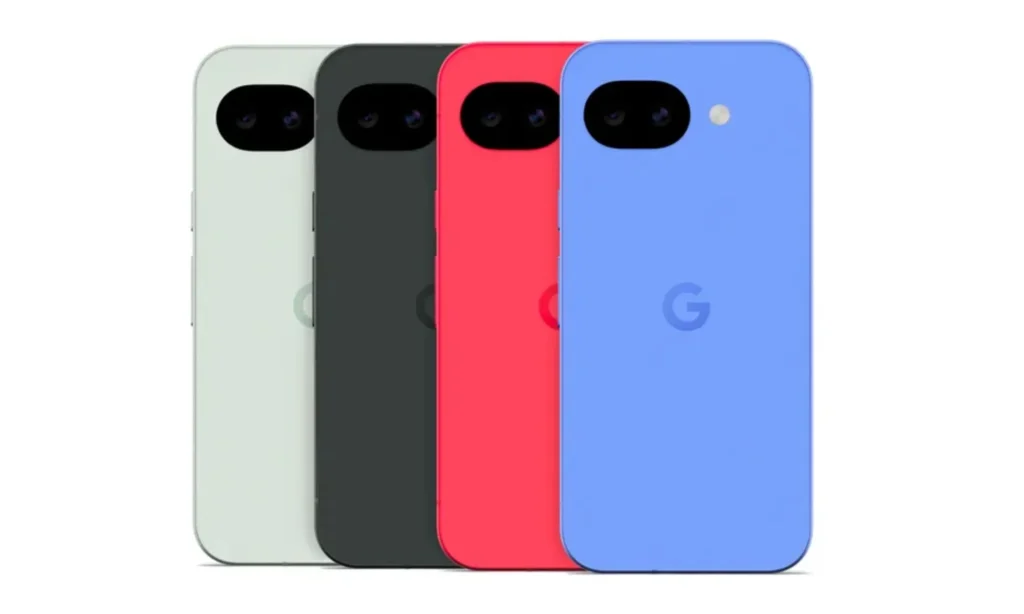
The 6.3-inch Actua pOLED display stays the same size, but peak brightness jumps from 2,700 nits to 3,000 nits. This makes outdoor use easier. You’ll notice the difference when you’re navigating maps, replying to messages, or scrolling through feeds in direct sunlight. The extra brightness gives you more visibility when you need it most.
The durability is improved with Gorilla Glass 7i replacing Gorilla Glass 3. The newer glass handles scratches and =liquid drops better. If you keep your phone for several years without a case, this upgrade matters more than a slightly faster processor.
Charging speeds got a useful upgrade. Wired charging moves from 23W to 30W, and wireless charging increases from 7.5W to 10W. These aren’t the fastest speeds available, but they cut down the time you spend charging and make it easier to top up the 5,100mAh battery throughout the day.
You may also like: Samsung Galaxy Z Flip7 Olympic Edition: Exclusive Phone for Milano Cortina 2026 Athletes
Google also added a new modem that supports Satellite SOS. This makes the Pixel 10a the first A-series phone with emergency satellite connectivity. Most people won’t use it often, but it provides a backup option when cellular coverage isn’t available. Previously, only higher-end models included this feature.
These changes don’t transform the phone into something completely different. They make it more durable, more convenient, and better prepared for situations you might face over the next few years.
Google Pixel 10a Features and Price
Buying a midrange phone means accepting compromises. You give up flagship specs and features for a lower price. Some premium features won’t make the cut. The Pixel 10a handles these trade-offs better than other flagship phones. It keeps the same formula without raising the price.
Google reused most of the core hardware from last year’s model to avoid the impact of rising component costs. The company keeps the Pixel 10a priced competitively while upgrading the parts that matter most for daily use.
The Pixel 10a starts at $499 in the US. Pre-orders are open now, and introductory deals plus trade-in offers can lower the final cost. It doesn’t undercut every competitor in this category, but the price makes sense if you’re upgrading from a phone that’s two or three years old.
You may also like: Samsung Galaxy Z Fold 8 Display Upgrade: 20% Crease Reduction With Dual UTG Technology
If you already own the Pixel 9a, this isn’t a worthwhile upgrade. But if you’re coming from an older Pixel A-series phone or an aging midrange device from Samsung, OnePlus, or Motorola, the Pixel 10a makes more sense.
You get a brighter and more durable display, faster charging, a cleaner design, and seven years of software support. These improvements add up when compared to phones from two or three years ago.
Google’s clean Android experience and AI features round out the package at a reasonable price. The spec sheet won’t impress anyone, but the phone delivers in the areas that affect daily use.
If you care more about longevity, reliability, and overall value than flashy annual updates, the Pixel 10a is a good choice.
Does Google Pixel 10a worth buying?
The Pixel 10a hasn’t received universal praise. The hardware barely changes from the Pixel 9a, which gives current owners no reason to upgrade. If you only look at the year-over-year comparison, the criticism makes sense.
You may also like: Samsung Galaxy S26 vs OnePlus 15 vs Google Pixel 10: Which Android Phone Should You Buy?
Most people don’t upgrade their phones every year, though. Many are using devices that are two, three, or four years old. These older phones often struggle with performance, battery life, or lack current software support.
For those buyers, the Pixel 10a’s small improvements, combined with seven years of updates, matter more than the spec sheet shows. The context changes the value completely.