
Google is quietly building a feature into Android that gives your battery a quick top-up when time is tight. Android Authority spotted the update in Android 17 beta code, and it works differently than you might expect.
It does not push faster charging speeds to get you more battery. Instead, it redirects power toward your battery by cutting back on what runs in the background. Your calls and texts stay active, but anything non-essential gets temporarily paused so more energy flows where you actually need it.
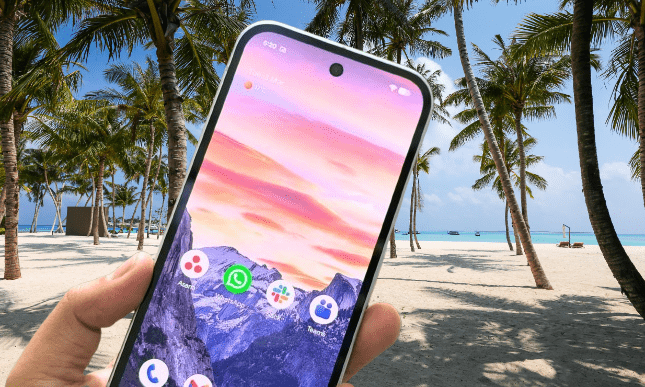
Think of it as a focused charging mode for situations where you have 10 minutes before walking out the door.
The idea behind this feature is simple. It is built for the 10-minute-before-you-leave scenario, not for topping up overnight. That focus also hints at something else: better management of heat and performance, which are the two main reasons phones cannot always charge as fast as the hardware allows.
You may also like: Google Messages Is Getting Real-Time Location Sharing: Here’s How It Will Work
What we do not know yet is who gets it or when. Google has not confirmed which devices will support it, when it rolls out, or how much of a difference it actually makes in practice.
Google Android 17 Update
The feature does not touch your charger or wattage at all. It works by cutting back on what your phone does while it charges, so a larger portion of the incoming power actually reaches your battery instead of being consumed by background processes.
Standard fast charging takes a different approach. It cranks up the wattage, which moves more energy but also generates more heat. This new method skips that tradeoff entirely. It works with the power you already have coming in, just distributes it more efficiently.
The code hints found in the Android 17 beta suggest this feature is designed around short bursts of charging rather than extended sessions. It may also work better with higher wattage chargers, though Google has not spelled out any specific requirements.
You may also like: Google Turning Now Playing Into Dedicated App for Pixel Users
A few things are still unclear. It is not known how strictly the phone will limit apps during these sessions, or whether you will get any manual control over when the feature kicks in. Those details could significantly change how useful it is in everyday situations.
Why Google Android 17 Matters
Plugging in for a few minutes rarely feels worth it. This feature is Google’s answer to that problem. By controlling what your phone does during those short windows, it tries to squeeze more actual value out of every minute connected to a charger.
It also points to a different direction for charging improvements overall. Instead of racing toward higher speeds, the focus shifts to smarter management of what the phone is doing. That approach could deliver more consistent results regardless of which charger you are using or where you are.
You may also like: ChatGPT Age Prediction System Now Rolling Out to Identify Teen Users
There is a real tradeoff here. While the feature is active, things like app syncing and background updates will get pushed back. In a rush, that is a reasonable swap. The question is whether it feels seamless when it happens or whether you notice the slowdown in ways that become annoying.
It is also worth separating this from features like battery saver or adaptive charging. Those are built around long-term habits and preserving battery health over time. This mode is different. It is purely for urgency, for the moments when you need a quick charge and do not have the luxury of waiting.
What to watch next on Google Android 17
The feature is still hidden in early Android 17 builds, and Google has not said anything publicly about when it will be released or which devices will support it.
You may also like: The Best Google Pixel 10 Deals: Up to 26% Off on Amazon Now
Hardware will likely play a big role in who gets it first. Phones with stronger charging systems or better heat management have a natural advantage here, which puts newer Pixel devices ahead of the line. How much of a real-world difference it makes is still unknown.
How it activates is also worth watching. Google could make it automatic, triggering based on how you use your phone, or give you a manual switch to turn it on when you need it. That distinction matters more than it sounds.
If it runs quietly in the background and makes short charging sessions noticeably better, it could become one of those small but genuinely useful additions to daily phone use.