
Do at-home laser hair removal devices actually work? Is there real scientific proof that they deliver results?
If you’re tired of paying for expensive salon treatments and want the convenience of treating yourself at home, but you’re not sure these devices actually work, this guide will help.
We talked with dermatologists about how at-home devices compare to professional equipment. We also covered safety concerns, and the most important question is whether these devices actually remove hair?
The confusion makes sense, right? Companies market these products with bold claims, but results vary widely between users. Some people see significant hair reduction, while others notice barely any change.
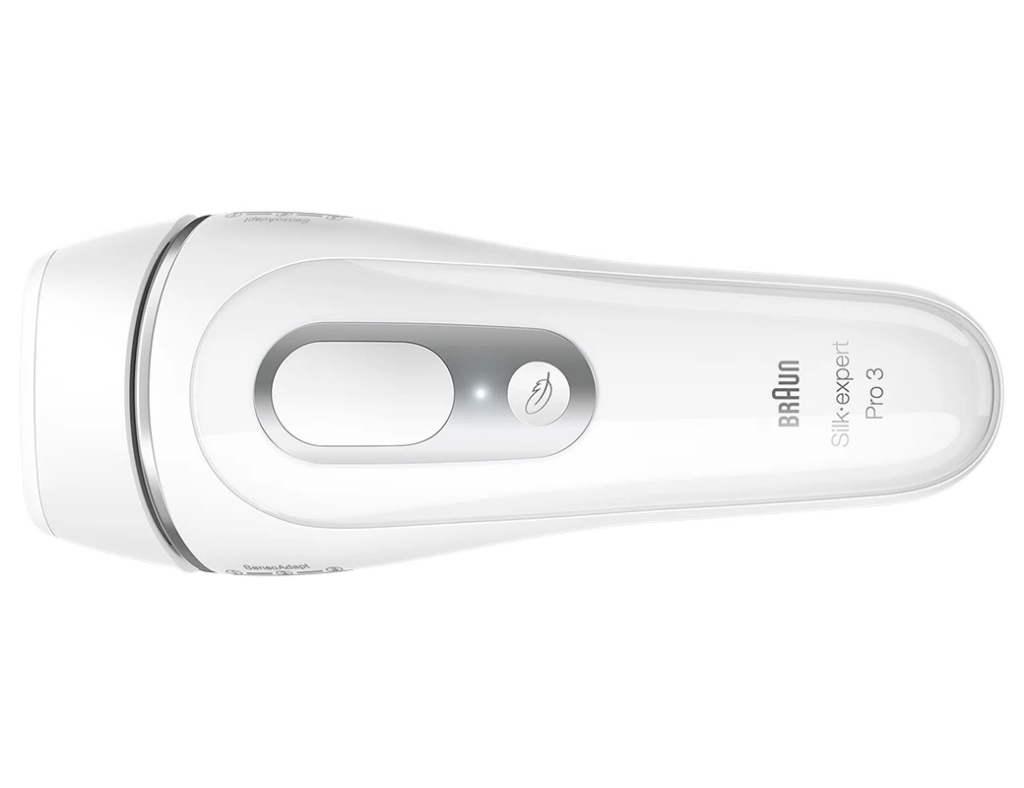
Some of the problems come from terminology. Many at-home devices labeled as “laser” hair removal actually use IPL (intense pulsed light) technology instead. True laser devices work differently from IPL devices, and understanding this distinction matters when setting realistic expectations.
Professional treatments use more powerful equipment operated by trained technicians. At-home devices have lower power output for safety reasons. This doesn’t mean they can’t work, but it does mean they work differently and usually require more sessions to see results.
You may also like: How Amazon’s AI Platform Is Giving Doctors More Time to Focus on Patients
Safety is another valid concern. Misusing these devices can cause burns, skin discoloration, or other problems. Knowing how to use them properly and whether your skin type is suitable makes a big difference in both safety and effectiveness.
What’s the difference between professional laser hair removal and at-home devices?
The main difference between clinic lasers and at-home devices comes down to equipment power and customization. Clinics use medical-grade lasers that can be adjusted for each person.
NHS GP and cosmetic dermatologist Dr. Anatalia Moore explains that treatments get personalized based on your skin tone, hair type, medical history, and how your skin responds over time.
You may also like: RENPHO Foot Massager with Heat Drops to $79.99 for Valentine’s Day
Dr. Moore adds that clinics conduct continuous skin assessments, which allow them to adjust treatments based on your specific needs. This personalized approach improves results and reduces the risk of side effects. According to Dr. Moore, you cannot replicate this level of customization at home.
At-home devices usually rely on IPL rather than true lasers. Dr. Moore explains that IPL uses a broad spectrum of light instead of one precise wavelength. This makes the treatment less focused and less effective at targeting hair follicles.
Dr. Eleonora Fedonenko from Your Laser Skin Care points to clinical data showing professional diode lasers achieve about 85.50% permanent hair reduction in five sessions. Consumer IPL devices, by comparison, mostly create temporary dormancy rather than permanent removal.
This distinction matters for setting expectations. Professional treatments cost more but deliver faster, more permanent results. At-home devices cost less but require more sessions and often produce temporary results rather than permanent hair reduction.
Your results with at-home devices will depend partly on your hair and skin type. These devices work best on people with dark hair and light skin because the contrast helps the light target hair follicles more effectively.
What are the drawbacks of at-home laser hair removal?
According to Dr. Moore, unpredictability is the biggest problem with at-home laser hair removal.
Dr. Moore explains that results come slower and vary more from person to person. Whether you see any results at all depends on whether you’re a good patient for the treatment.
A professional can easily assess if laser hair removal will work for you, but when you buy a device yourself, you have to make that judgment yourself.
Dr. Fedonenko notes that portable units use much lower energy levels than medical equipment to prevent injury. Even so, Dr. Moore warns that misusing or treating unsuitable skin increases the risk of side effects.
She explains that IPL works by creating heat. This can cause irritation, burns, or pigmentation problems if you use it on darker skin tones, inflamed skin, or recently tanned skin.
Some at-home devices try to reduce these risks. The Ulike Air 10, for example, includes Sapphire Ice Cooling technology that keeps the contact temperature at 18°C to prevent burns and irritation.
The safety concern matters, but it’s manageable if you follow instructions carefully. The issue is that many people don’t read the manual thoroughly or understand whether their skin type is suitable. Dark-skinned individuals face a higher risk because the light targets pigment, making it harder to distinguish between skin and hair.
Sun exposure also creates problems. Tanned skin contains more melanin, which absorbs light energy and increases the risk of burn. Waiting several weeks after sun exposure before using these devices helps reduce this risk.
Is it safe to perform laser hair removal at home?
Portable IPL devices are generally safe to use because they’re much less powerful than clinic equipment. However, you need to consider a few important factors.
You may also like: Samsung Music Studio 5 and 7 Speakers: Will Pricing Mistakes Doom Them Again?
First, check the manufacturer’s guide to confirm the device works with your skin tone and hair color combination. Dr. Moore warns that darker skin tones, specifically Fitzpatrick skin types V and VI, face a higher risk of pigmentation problems. Heat can spread into surrounding skin, causing discoloration or other issues.
Dr. Moore also advises caution for people with certain conditions. You should avoid at-home IPL or consult a doctor first if you have inflammatory skin conditions like eczema or psoriasis, increased sensitivity to light, a tendency to develop keloid scars, or recent sun exposure.
These warnings are important for good reasons. IPL targets melanin in hair follicles, but it can also affect melanin in your skin. The more melanin in your skin, the higher the chance the device will heat your skin instead of just the hair. This can cause burns, dark spots, or light spots where pigment gets destroyed.
Inflammatory skin conditions make your skin more reactive and prone to irritation. Adding heat and light to already sensitive skin often makes conditions worse rather than better.
Keloid scarring means your body overreacts to skin injury by producing excess scar tissue. If IPL causes any skin damage, people prone to keloids might develop raised scars that are difficult to treat.
The best approach is an honest assessment to know if you can do it before buying a device.
What hair cannot be lasered?
As explained earlier, laser or IPL hair removal does not work on every hair color. IPL targets pigment in the hair. If there is little or no pigment, the light cannot reach the hair properly. Because of this, dark hair works best.
Brown hair responds well, and black hair gives the best results. You should not use IPL on white, grey, blonde, or red hair. These colors lack enough pigment for the device to work effectively, so treatment will not give results and should be avoided.
What features should you consider when choosing an at-home laser hair removal device?
Clinic laser hair removal works faster and delivers more powerful results. But at-home devices offer real convenience and practicality. If you decide to go the at-home route, spend time researching different IPL devices to find the best one for your budget.
Dr. Moore explains what to look for when choosing a device. First, prioritize brands that provide clear guidance on which skin tones can safely use their products.
Devices with built-in skin tone sensors add an extra layer of safety by preventing use on unsuitable skin. Adjustable energy settings also help because different body areas tolerate heat differently.
Dr. Moore warns against brands that rely on vague marketing claims. Instead, look for companies that share transparent information about wavelengths, how often to use the device, and realistic timelines for seeing results.
These matters a lot because they separate legitimate products from overpriced gadgets that won’t work. A company willing to specify exact wavelengths and treatment schedules shows they understand the science behind their product. Vague promises like “permanent hair removal in weeks” without specifics should raise red flags.
Skin tone sensors prevent a common problem where people use devices on skin types that aren’t safe for IPL. Without this feature, you have to trust your own judgment, which can lead to burns or pigmentation issues.
Adjustable settings let you start at lower energy levels and increase gradually as your skin adapts. This reduces side effects while still allowing you to find the most effective setting for each body area.
Does at-home laser hair removal actually work?
After considering all the factors, does at-home laser hair removal actually work? Generally speaking, yes, it does work for suitable candidates.
A 2010 study supports this. Twenty female patients completed a clinical trial using a portable, low-energy IPL device for six biweekly treatments (administered by professionals during the study). After this period, 95% of patients reported hair reduction.
Before buying a product, you need to honestly assess whether your skin and hair combination make you a good patient for IPL. If you have inflammatory skin conditions, light sensitivity, or a tendency to develop keloid scars, talk to a medical professional first.
Next, check the device’s guidelines about compatible skin tones and hair colors. Trustworthy brands clearly state which skin tones can and cannot use the device, along with explanations. This includes natural tans from recent sun exposure. Remember that light hair colors (blonde, red, grey, or white) cannot be treated with laser or IPL.
Finally, you won’t see overnight results if you manage your expectations with at-home laser hair removal. Portable devices use much weaker power and intensity than clinic equipment, so you’ll need more sessions over a longer time period to see hair reduction.
Most people need 8 to 12 sessions spaced weeks apart before noticing a significant reduction. Even then, results may be temporary rather than permanent, requiring occasional maintenance sessions.
The tradeoff is cost and convenience. At-home devices require more time and effort but cost less than professional treatments and let you work on your own schedule.