

A large chunk of time in modern healthcare gets eaten up by administrative tasks that have nothing to do with treating patients.
Doctors and nurses regularly spend hours filling out forms, updating records, and managing schedules, all of which pulls their attention away from the people in front of them.

Amazon’s argument is that AI can absorb most of that workload. The idea is simple: if the administrative burden shifts to AI, medical staff get more of their time back and can put it toward actual patient care.
Amazon Healthcare AI helps Doctors and Nurses
Amazon Connect Health works like a digital assistant built specifically for healthcare providers. On the patient interface side, it handles appointment scheduling, verifies patient information, and answers routine questions before anyone needs to speak to a staff member directly.
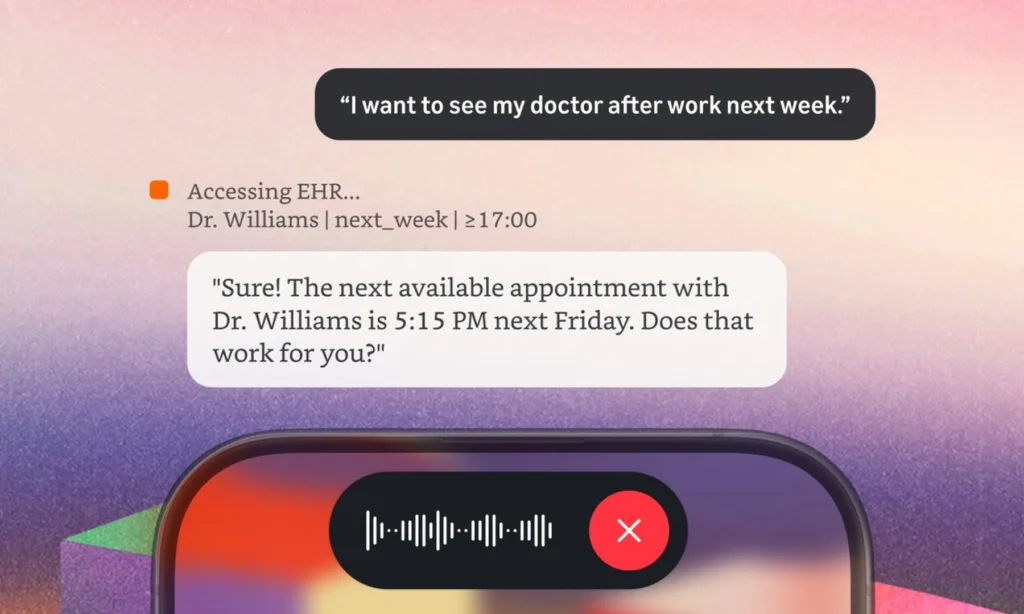
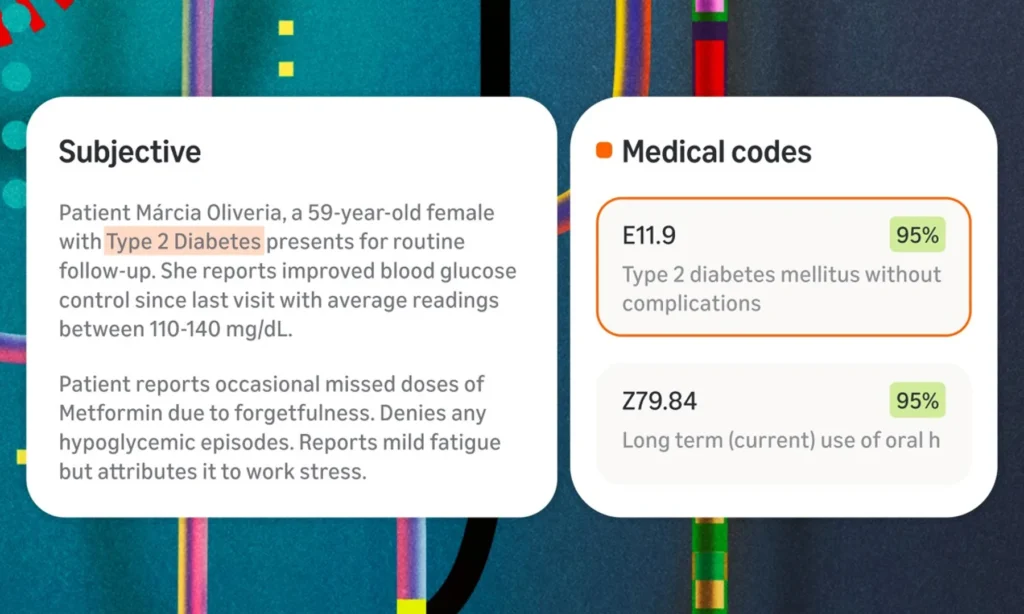
The role it plays during and after appointments is where it gets more useful. The system listens to conversations between doctors and patients, pulls out the key points, and generates medical notes automatically.
Those notes can then feed directly into billing codes, patient records, and other downstream tasks that would normally require someone to sit down and process them manually. With this, it removes several steps that currently eat into a clinician’s day without adding anything to the quality of care.
You may also like: ChatGPT Go Launches Worldwide at $8/Month, Ads Coming to Free Tier
The platform integrates with existing electronic health record systems, which opens up a practical time-saving feature.
Before an appointment, it pulls together the relevant patient information and provides the doctor with a concise summary. Rather than spending the first few minutes of a consultation flipping through records, the doctor walks in already up to speed on the patient’s history and can focus on the conversation from the start.
For patients, the difference would likely show up in small but noticeable ways. Booking appointments faster, getting answers to questions without waiting on hold, and spending less time navigating hospital call centers are the kinds of improvements Amazon is pointing to.
Amazon is clear that the goal isn’t to replace doctors or nurses. The target is the administrative layer that surrounds healthcare, not the people delivering it.
If the system performs the way it’s intended to, the AI handles the background work quietly while the people who trained for years to treat patients get to spend more time treating their patients.