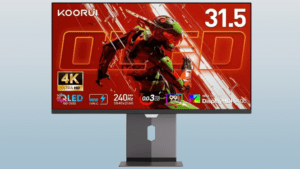

After Samsung and HKC, Acer has entered the 1,000Hz gaming monitor race with a new release. At CES 2026, the company introduced the Predator XB273U F6.
At first glance, it looks like a standard 27-inch gaming monitor, but the feature that makes it standout are hidden. It can quickly switch between a 500Hz and a 1,000Hz refresh rate.
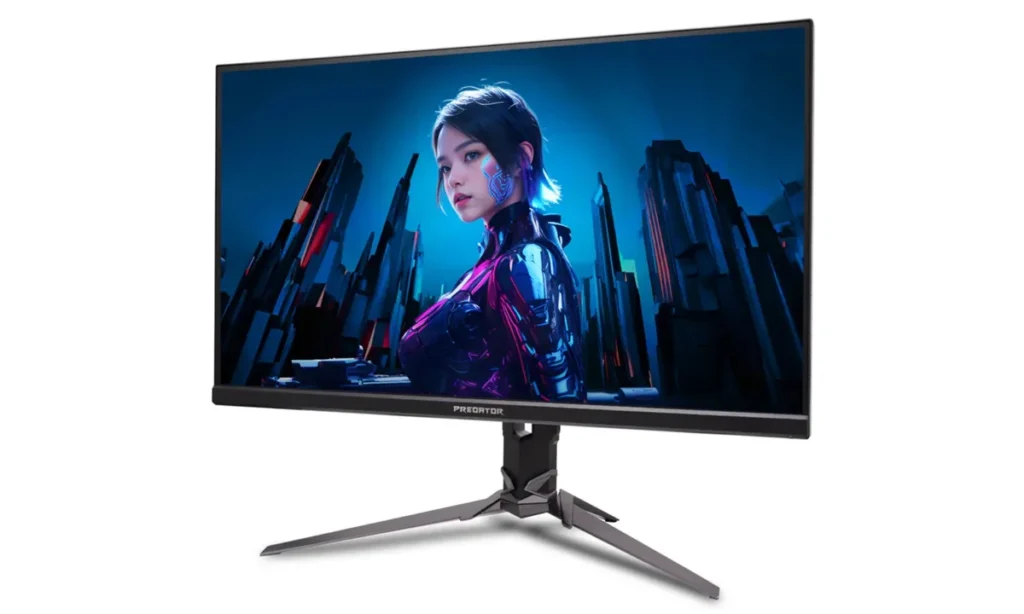
At 500Hz, the monitor runs at its native 2,560 x 1,440 resolution. This mode targets competitive players who still want sharp visuals. Acer also includes key gaming features such as AMD FreeSync Premium and a response time as low as 0.5ms, which helps reduce motion blur and input lag during fast-paced gameplay.
How Acer’s Predator XB273U F6 1,000Hz monitor compares with Samsung and HKC
The jump to 1,000Hz is made possible by Acer’s Dynamic Frequency and Resolution technology. This system allows the monitor to increase its refresh rate on demand, but there is a tradeoff for this.
When switched to 1,000Hz, the resolution drops to 1,280 x 720. This mode is clearly aimed at esports players who prioritize raw speed over image resolutions.
Compared to its rivals, Acer’s approach fits the current trend in ultra-high refresh rate displays. Samsung’s Odyssey G6 delivers 600Hz at QHD and goes up to 1,040Hz at HD. The HKC ANTGAMER MAX offers 540Hz at 2K and reaches 1,080Hz at 720p.
You may also like: HP Victus Gaming Laptop Drops to $999.99 for Presidents’ Day (RTX 5060, 16GB RAM)
Acer’s Predator XB273U F6 follows a similar path, giving players flexibility to choose between clarity and extreme smoothness depending on their needs.
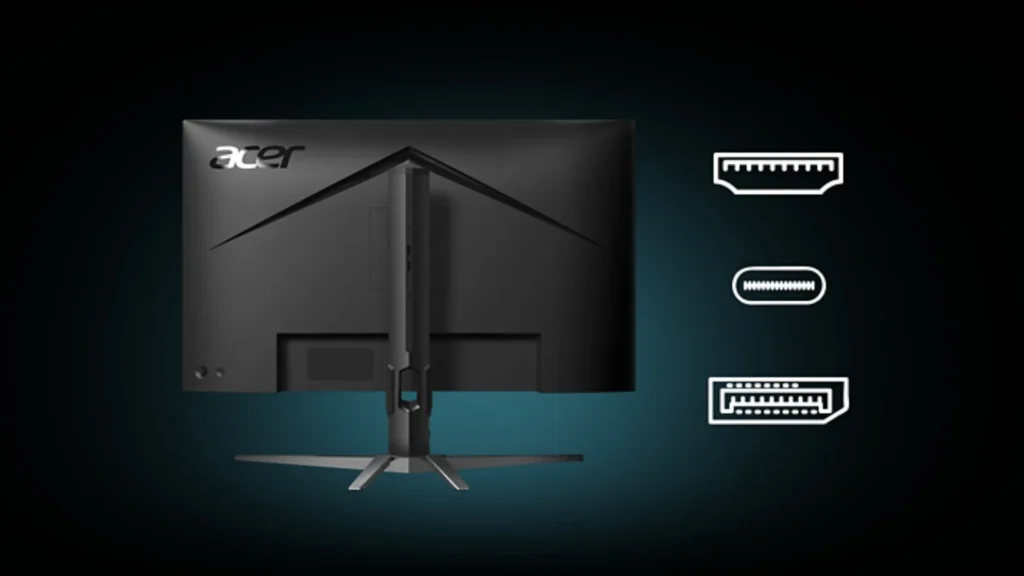
In both its native mode and its boosted refresh rate mode, the Acer Predator F6 falls slightly behind the Samsung and HKC alternatives on paper. I do not see this as a real drawback, for two simple reasons.
First, even experienced competitive players are unlikely to notice a meaningful difference between 1,000Hz and 1,080Hz in real use. At that level, the gains are extremely small and often impossible to feel during actual gameplay.
Second, the slightly lower refresh rates should help keep the price more reasonable. That matters because it will open the door for more players to experience ultra-smooth visuals without spending far more than necessary.
To put that into context, the outgoing Samsung Odyssey OLED G6 with a 360Hz refresh rate currently sells for $842.39 at Best Buy, down from $899.99. The new Acer Predator F6, which supports DisplayPort 1.4 and HDMI 2.1, is expected to launch in the US at $799.99 in the second quarter of 2026.
So why are manufacturers suddenly pushing refresh rates this far? Higher refresh rates allow a display to update frames more quickly. That reduces motion blur and lowers input lag, which is critical for fast-paced competitive games.
With that being said, 1,000Hz monitors are not for everyone. Many systems cannot fully support them, and most players will never need this level of speed.
Still, these displays show where gaming hardware is heading. Smoother visuals, faster response, and gameplay that feels closer to real-time than ever before.